

How to Read an E-Liquid Label (Strength, Ratio, Warnings)
Every e-liquid bottle carries the same key facts. Here is how to read bottle size, nicotine strength, PG/VG ratio and the required warning.
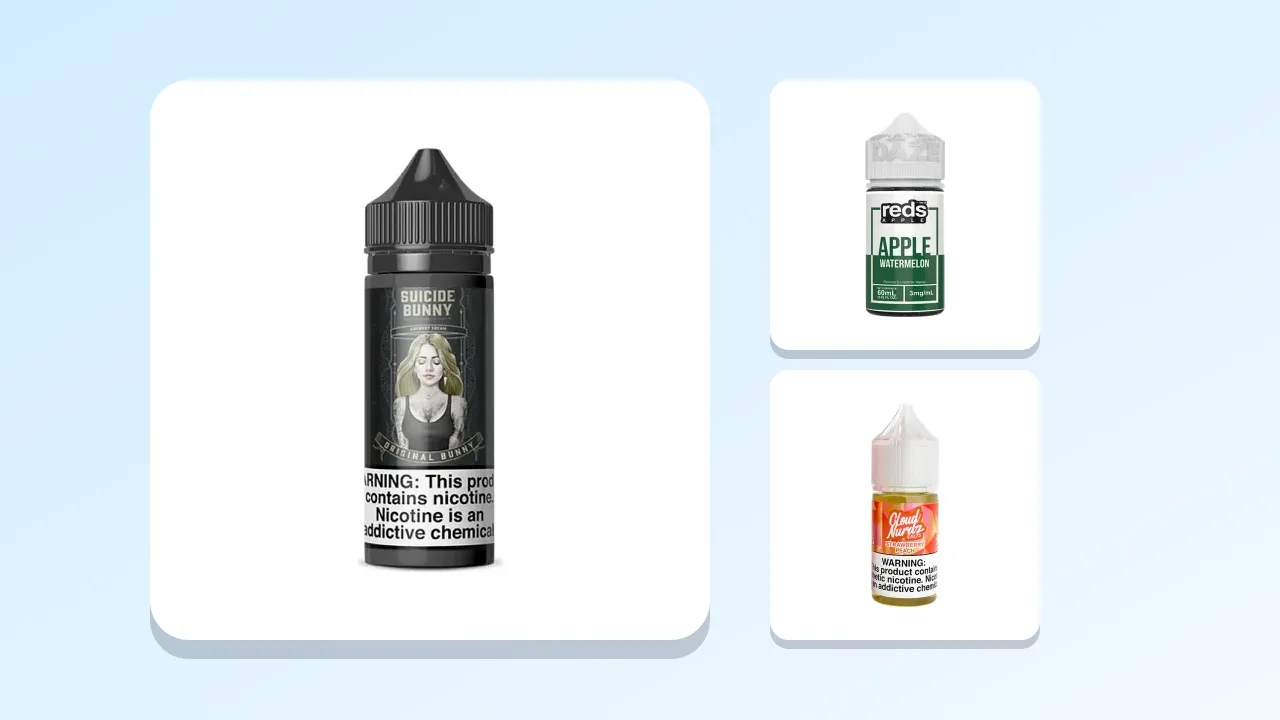
An e-liquid label looks busy, but it follows a predictable pattern, and once you know where to look you can compare bottles in seconds. A label tells you the volume, the nicotine strength and type, the PG/VG ratio, the warnings, the maker and often a batch code and best-by date. Reading it carefully protects you from buying the wrong strength for your device, from mixing up units and from buying a product that does not meet labeling rules. This guide walks through each element in the order you will meet it, explains what the numbers mean, how to convert units, how shortfill bottles work, what to check for compliance, how to store liquid and a worked example. It is written for adults aged 21 and over. Nicotine is addictive, and nothing here is medical advice.
Bottle size and fill
The volume appears in milliliters (mL), for example 30 mL or 100 mL. Large bottles often contain a "shortfill": less liquid than the bottle's capacity so you can add nicotine shots. Nicotine-ready bottles hold a stated volume and have space to add a shot. Read the label to see whether the bottle is a full 100 mL of finished liquid or a shortfill with room for additions. See e-liquid bottle sizes for how sizes compare.
Nicotine strength
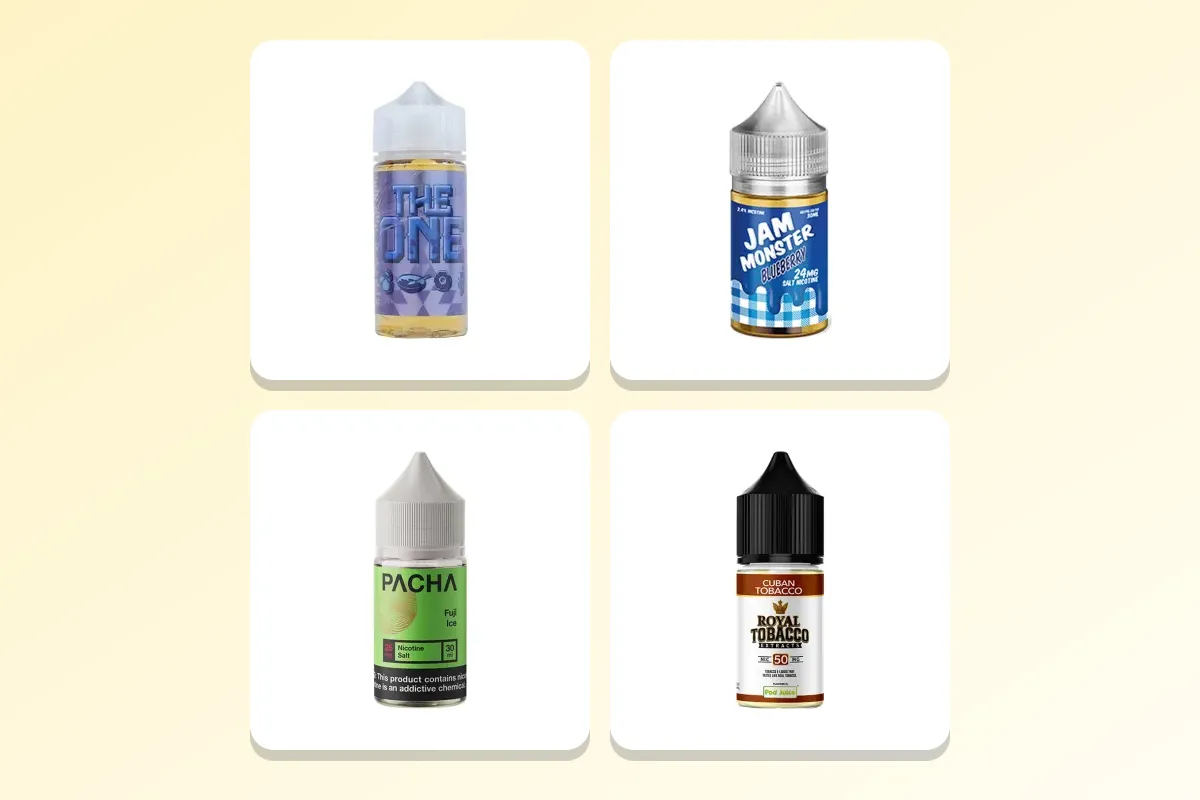
Look for mg/mL or a percent. The conversion is simple: divide mg/mL by 10 to get percent. So 50 mg/mL is 5%, 35 mg/mL is 3.5% and 3 mg/mL is 0.3%. Our nicotine strength guide has the full table. Some labels show only one unit, so keep the rule handy. A label that shows strength in an unfamiliar unit should be checked before you buy.
PG/VG ratio
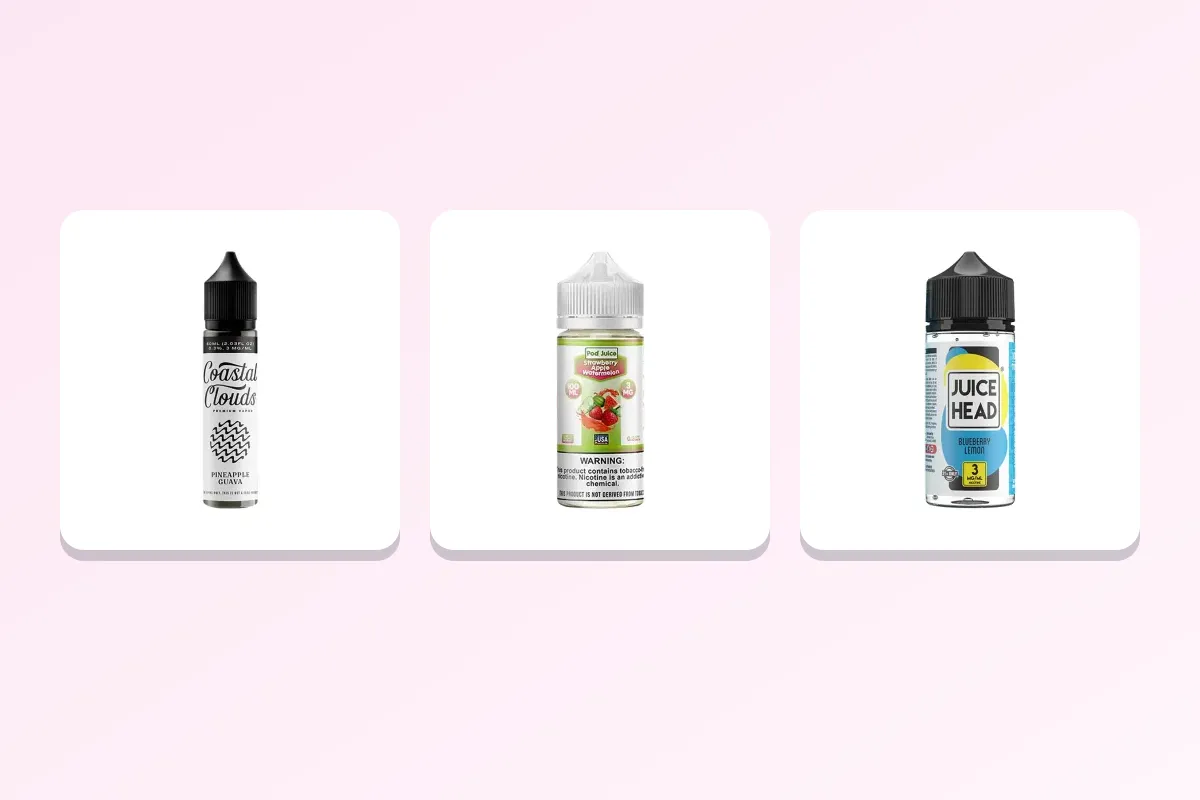
Printed as numbers such as 50/50 or 70/30, the first is usually PG and the second VG, though some brands write VG first, so check. The ratio guides which device suits the liquid; see PG and VG explained. A label that says "Max VG" means as much VG as the flavor and nicotine allow. If the ratio is missing, ask the seller before you use it.
Nicotine type
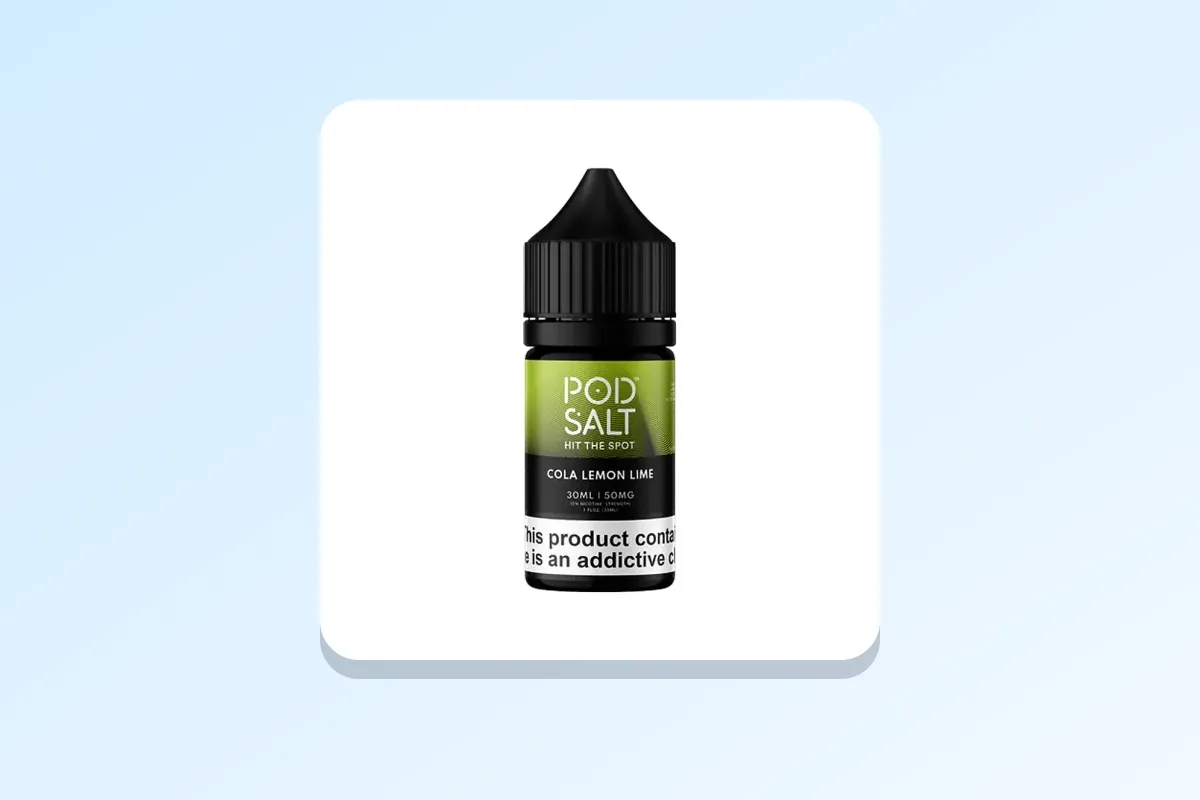
Salts and freebase are labeled differently. Salts often say "nic salt" or "salt nicotine". If it is not stated, check the product page in vape juice. The type matters because salts suit low-power pods and freebase suits higher-power tanks. See nicotine salts vs freebase.
Flavor and name
The front of the label shows the brand and the flavor name. Flavor names are marketing, so they may not describe the taste. If you want to know more, read the product page, and see vape flavor profiles explained.
Warning statement
Labels in the United States carry a warning that the product contains nicotine and that nicotine is an addictive chemical. If a bottle lacks this, do not buy it. The statement should be clear and prominent. See what the nicotine warning label means.
Manufacturer details
A genuine label shows the maker's name and contact details. A label with no maker is a concern. See how to spot counterfeit vapes.
Batch and date information
Many bottles show a batch code and best-by date. Use liquid before the date, and store it away from heat and light as explained in how to store e-liquid. A batch code lets you identify a production run if there is ever a question. See also e-liquid shelf life and expiry.
Child-resistant packaging
Look for a child-resistant cap. Always keep liquids out of reach of children and pets. See keeping vapes away from children and pets. Do not decant liquid into unlabelled containers.
Ingredients
Some labels list the main ingredients, such as PG, VG, flavorings and nicotine. Not every component is listed, and flavor formulas are the maker's own. See e-liquid ingredients explained. If you have a sensitivity, ask the brand.
A worked example
You pick up a bottle labeled "Strawberry Ice, 30 mL, 35 mg/mL nic salt, 50/50 PG/VG". You read: volume 30 mL, strength 35 mg/mL, which is 3.5%, type salt, ratio 50/50. That tells you it suits a low-power pod, not a sub-ohm tank. You check the warning statement, the maker's name and the best-by date. Everything is present, so you buy. If the bottle said "100 mL shortfill, 70VG/30PG, 0 mg", you would know that it suits a sub-ohm tank, has no nicotine and has room for a nicotine shot, if you choose to add one.
What a good label looks like
- Clear brand and flavor name.
- Volume in mL.
- Strength in mg/mL or percent.
- Ratio and nicotine type.
- The nicotine warning.
- The maker's name and contact details.
- A batch code and best-by date.
- A child-resistant cap.
If any is missing, ask before you use it.
Common mistakes
- Mixing up mg/mL and percent. 5% is 50 mg/mL, not 5 mg/mL.
- Ignoring the ratio. It decides which devices the liquid suits.
- Assuming a 100 mL bottle is all liquid. Check for shortfill.
- Buying a bottle with no warning.
- Ignoring the date.
Frequently asked questions in depth
Where is the strength on the bottle?
Usually on the front or side label, as mg/mL or a percent.
What does "shortfill" mean?
A bottle with less liquid than its capacity, so that you can add nicotine shots. The label states the volume.
Why do some bottles show two numbers like 70/30?
That is the PG/VG ratio. Check which is which.
What if the label is in another language?
U.S. labels should have the required statements in English. A label only in another language is a concern.
Can I trust a label completely?
Labels are the maker's statements. Buy from reputable sellers and brands, and report anything that looks wrong.
Shop
Browse vape juice. Our product pages list strength, size and ratio where the maker provides them, and options update the price. All products are for adults aged 21 and over, and nicotine is addictive.
Label reading for different shoppers
If you use a pod
Look for nicotine salt, a strength of 20 to 50 mg/mL and a ratio of about 50/50. A 30 mL bottle is usual.
If you use a sub-ohm tank
Look for freebase, a strength of 0 to 6 mg/mL and a high-VG ratio such as 70/30. Bottles of 60 to 100 mL are common, and shortfills are popular.
If you want no nicotine
Look for 0 mg/mL on the label and the product page. Zero-nicotine products are still for adults 21 and over.
If you are buying for the first time
Check every element on the list above, and buy a single bottle before you stock up. Ask us if anything is unclear.
A short glossary of label terms
- Shortfill: a bottle with room to add nicotine shots.
- Nic salt: nicotine salt, smooth at high strength.
- Freebase: the traditional nicotine form.
- Max VG: the highest VG ratio the recipe allows.
- Batch code: an identifier for a production run.
- Best-by date: the date by which to use the liquid for best quality.
What to do with an unclear label
If you cannot read a label clearly, or the print is faded, ask the seller. Take a photo and send it to us with your order ID if the bottle came from us. If any required element is missing, do not use the bottle until we have answered. A few minutes of checking is far better than using a liquid you cannot identify.
Keeping labels readable
Store bottles in a way that keeps the label intact: upright, away from heat and spills. If a label gets stained or peels, note the details somewhere else, such as a photo on your phone. If you decant liquid, label the new container properly, though we recommend keeping the original bottle, which has the required warnings and child-resistant cap.
Frequently asked questions about labels
Why does my bottle show a different strength from the product page?
Check the units, and check that you have the right option selected. If they genuinely differ, contact us with your order ID.
What if there is no best-by date?
Some bottles show only a batch code. Note the date you bought it, and use older bottles first.
Are labels the same on all bottles?
They follow similar patterns, but layout and wording vary. Look for the same key elements.
Can I add a nicotine shot to a shortfill?
Follow the maker's instructions and local rules. Adding changes the strength and ratio, so do it carefully, or choose a ready-made bottle.
Why are some labels so small?
Space is limited on small bottles. If you cannot read it, ask the seller for a photo.
A last check before you buy
Read the strength twice, the ratio once and the warning once. Check that the type matches your device and that the date is reasonable. If everything is in order, buy. If one element is missing or unclear, ask first. Good habits at the shelf, or on the product page, save money and trouble, and they make you a more confident buyer of every liquid you meet.
Frequently asked questions
Where do I find the nicotine strength?
On the label as mg/mL or a percent. Divide mg/mL by 10 to get percent, so 50 mg/mL is 5%.
What does the PG/VG ratio tell me?
Which devices the liquid suits. 50/50 suits most pods, and 70/30 VG or higher suits sub-ohm tanks.
What is a shortfill?
A bottle with less liquid than its capacity, leaving room to add nicotine shots. The label states the volume.
What warning should be on the label?
The nicotine warning: WARNING: This product contains nicotine. Nicotine is an addictive chemical.
What should I check before using a bottle?
Strength, ratio, nicotine type, the warning, the maker's details and the best-by date.
What if the label is missing key details?
Ask the seller before using it. A missing warning is a reason not to buy.
Vaping products contain nicotine. Nicotine is an addictive chemical. You must be 21+ to purchase. Not for use by pregnant women or people with health conditions. This article is general information for adults, not medical or legal advice. Product laws differ by state and city — check the rules where you live before you buy.
Shop related products
Keep reading
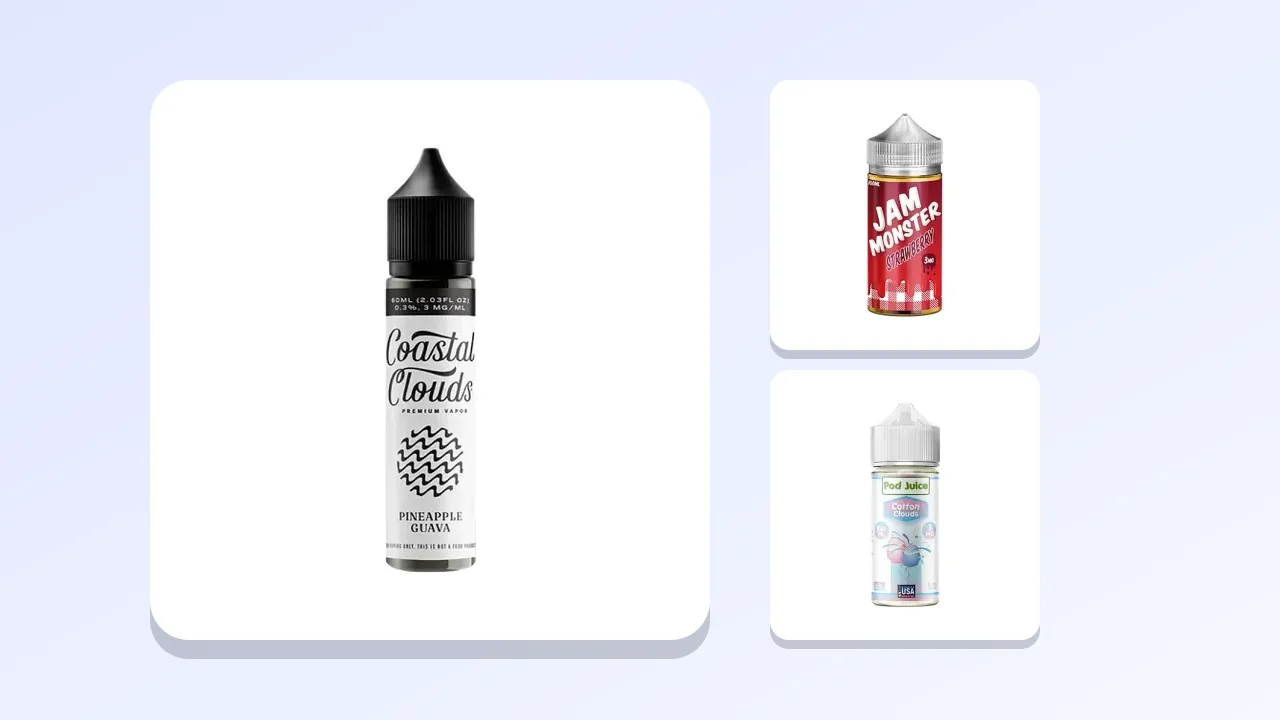
PG and VG Ratios Explained: How They Change Your Vape
E-liquid is mostly propylene glycol and vegetable glycerin. Learn how the ratio affects throat feel, vapor and which device it suits.
Adjustable Airflow Explained: Tighter or Looser Draw
Airflow controls how easily air passes through your device. Learn how to adjust it for flavor, vapor and a comfortable draw.
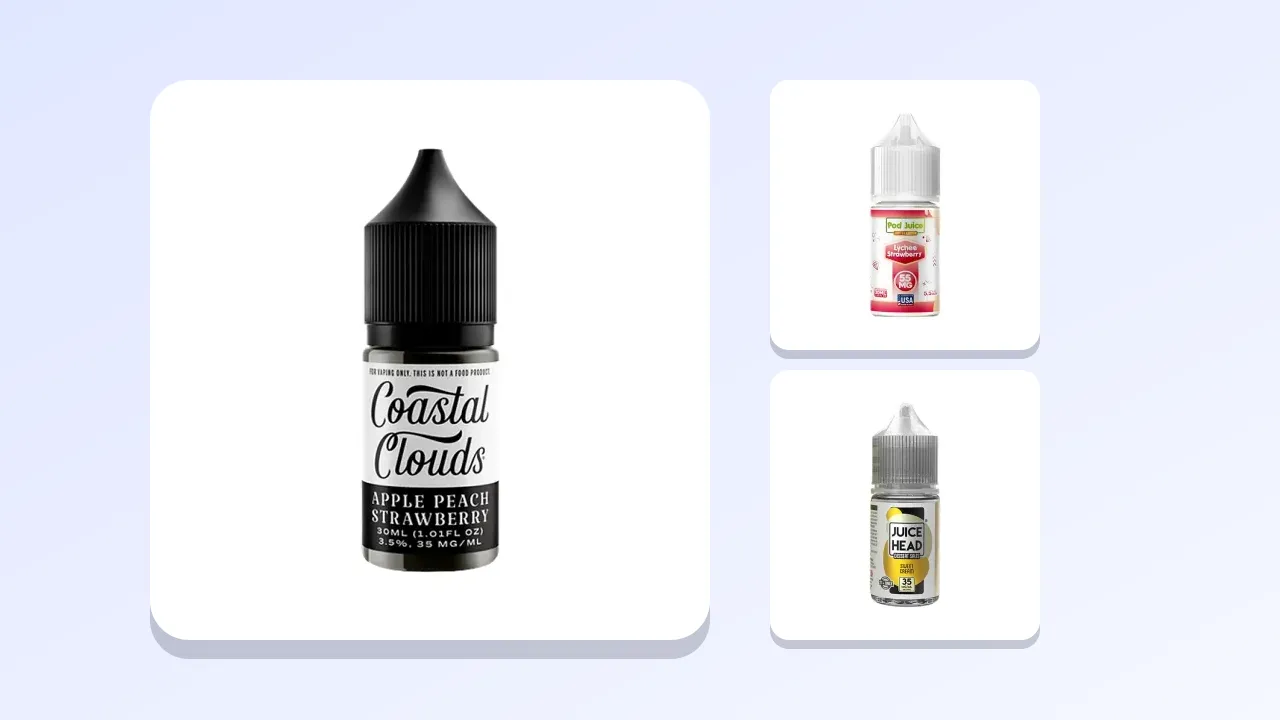
30 mL, 60 mL or 100 mL? Choosing the Right E-Liquid Bottle
Bottle size changes both price and how fast you use liquid. Learn when a small 30 mL makes sense and when a 100 mL bottle saves money.