

Nicotine Strength Guide: mg/mL, Percent and What to Pick
Understand how nicotine strength is labeled, how mg/mL converts to percent, and how adults can choose a strength that matches their habits.
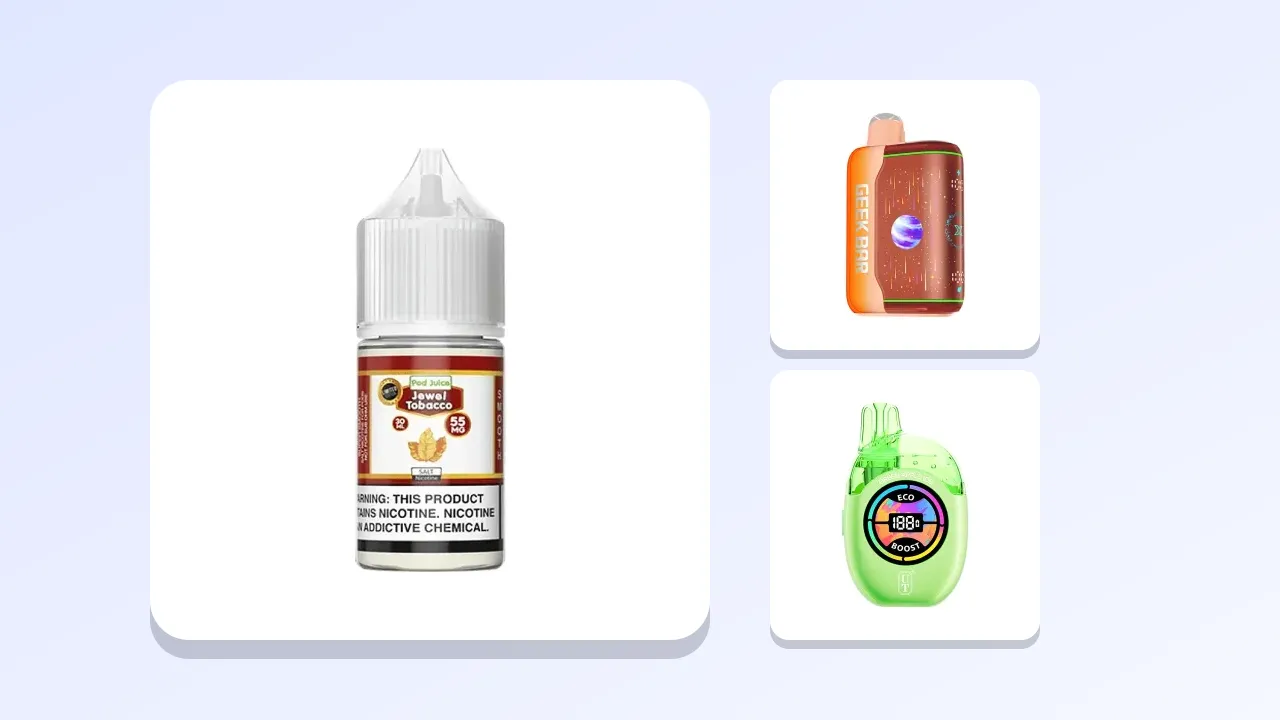
Nicotine strength is the number on a vape product that adults most often misread, and it is also the number that matters most. Get it wrong and a product that should feel pleasant feels harsh, or a purchase feels too weak to be worth finishing. This guide explains how strength is written on labels, how milligrams per milliliter and percentages relate, which ranges are typical for each kind of product, and how adults sensibly choose a level. It is general information for adults aged 21 and over, not medical advice, and nicotine is addictive.
The two ways strength is written
Labels use two systems that describe exactly the same thing. The first is milligrams per milliliter, written mg/mL or just mg. The second is a percentage. To convert, divide the mg/mL figure by 10 to get the percentage, or multiply the percentage by 10 to get mg/mL. So 3 mg/mL is 0.3%, 12 mg/mL is 1.2%, 20 mg/mL is 2%, and 50 mg/mL is 5%.
Many disposable devices and nicotine-salt liquids show both, such as "50mg (5%)". Some US labels show only the percentage, and some imported products show only milligrams, so it is worth keeping the rule in your head. When you compare two products, always compare in the same unit.
What the number actually tells you
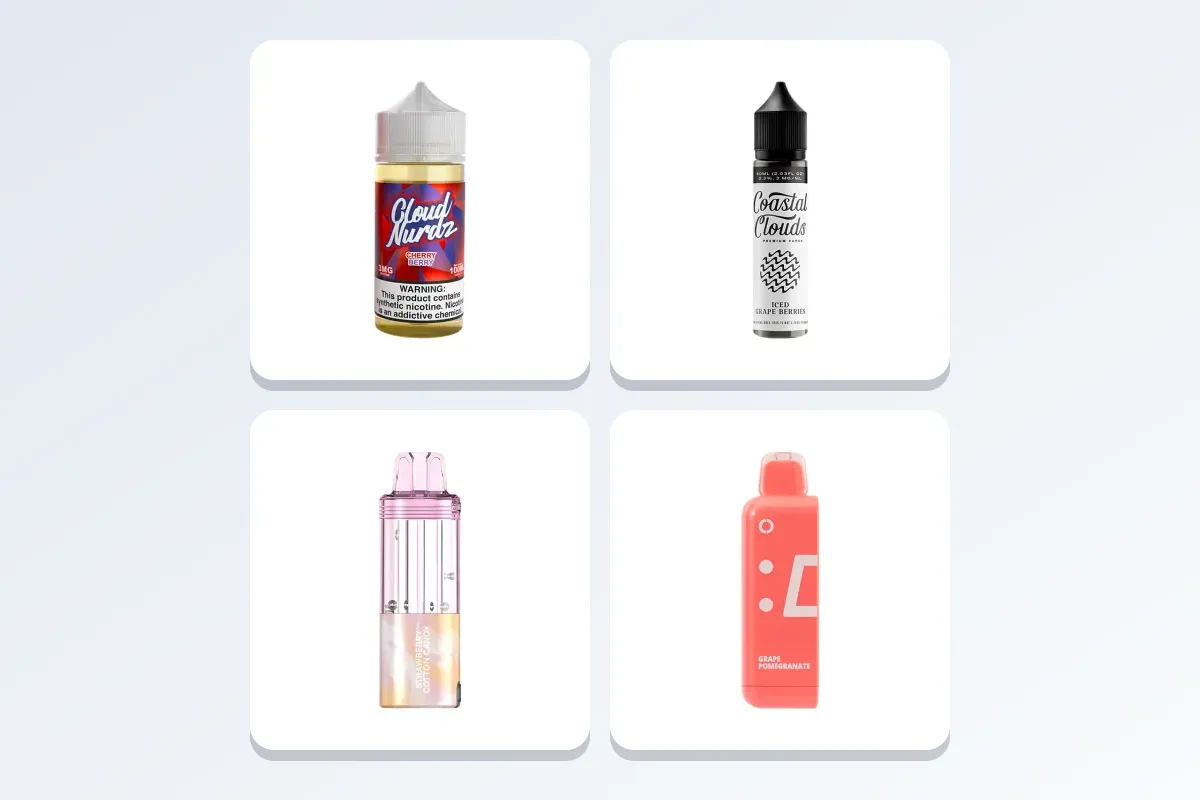
The figure is a concentration, not a dose. A 50 mg/mL liquid contains 50 milligrams of nicotine in every milliliter of liquid. How much nicotine you take in depends on how much liquid you vaporize, which depends on your device, your power, the size of each puff and how often you puff. A small pod device that vaporizes very little liquid per puff and a large tank that vaporizes a lot can deliver very different amounts from the same strength.
That is why strength is always chosen together with the device. A high-strength salt in a low-power pod behaves very differently from the same strength in a powerful tank, and the second combination would usually be unpleasant and is not what the liquid is made for. Read the hardware recommendation before you read anything else.
Typical ranges by product type
- 0 to 3 mg/mL (0 to 0.3%): usually freebase liquids made for large sub-ohm tanks, where each puff uses a lot of liquid. Zero-nicotine versions exist for flavor only.
- 6 to 12 mg/mL (0.6 to 1.2%): moderate freebase strengths for mouth-to-lung tanks and starter kits.
- 18 to 24 mg/mL (1.8 to 2.4%): higher freebase strengths, and the start of the nicotine-salt range.
- 20 to 35 mg/mL (2 to 3.5%): the common range for nicotine salts in small pod devices.
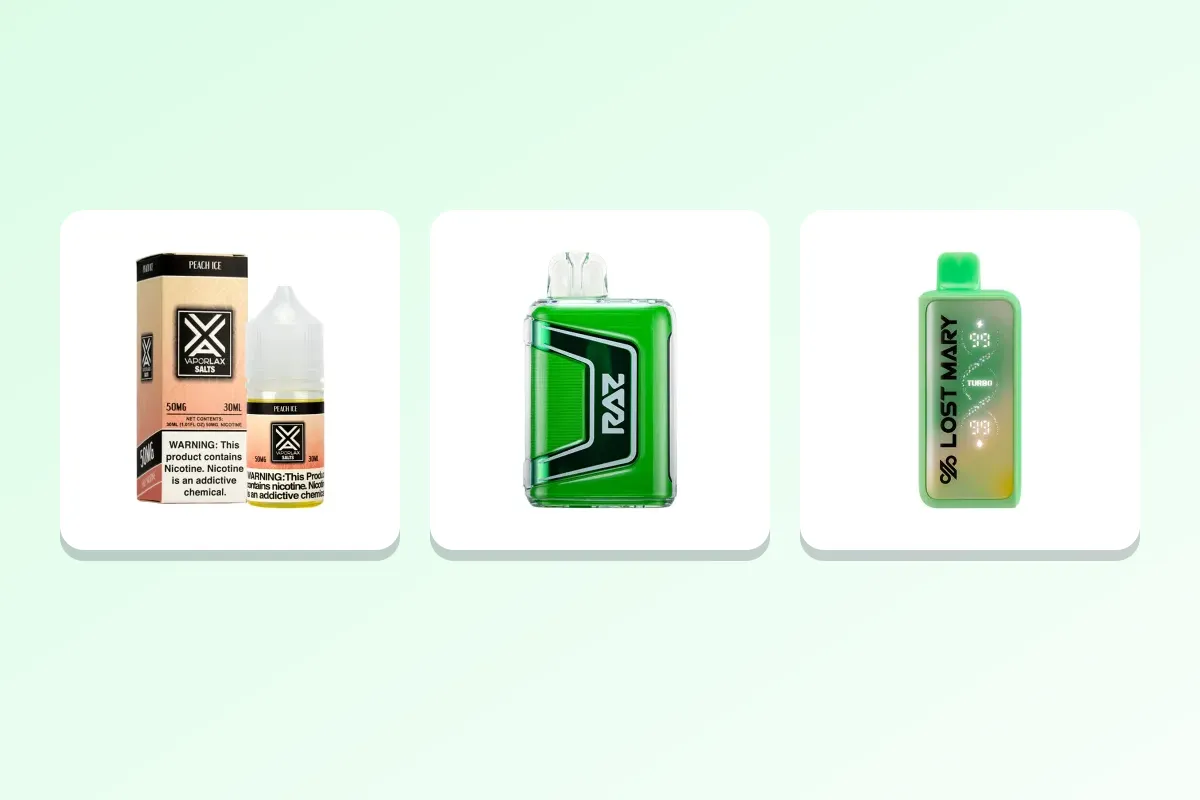
- 50 mg/mL (5%): typical for many disposable vapes and high-strength salts, and common in the US market.
- Pouches: listed per pouch in milligrams, commonly from about 3 mg to 12 mg or more, which is a different scale from liquid strength. See nicotine pouch strengths explained.
Why salts and freebase use different scales
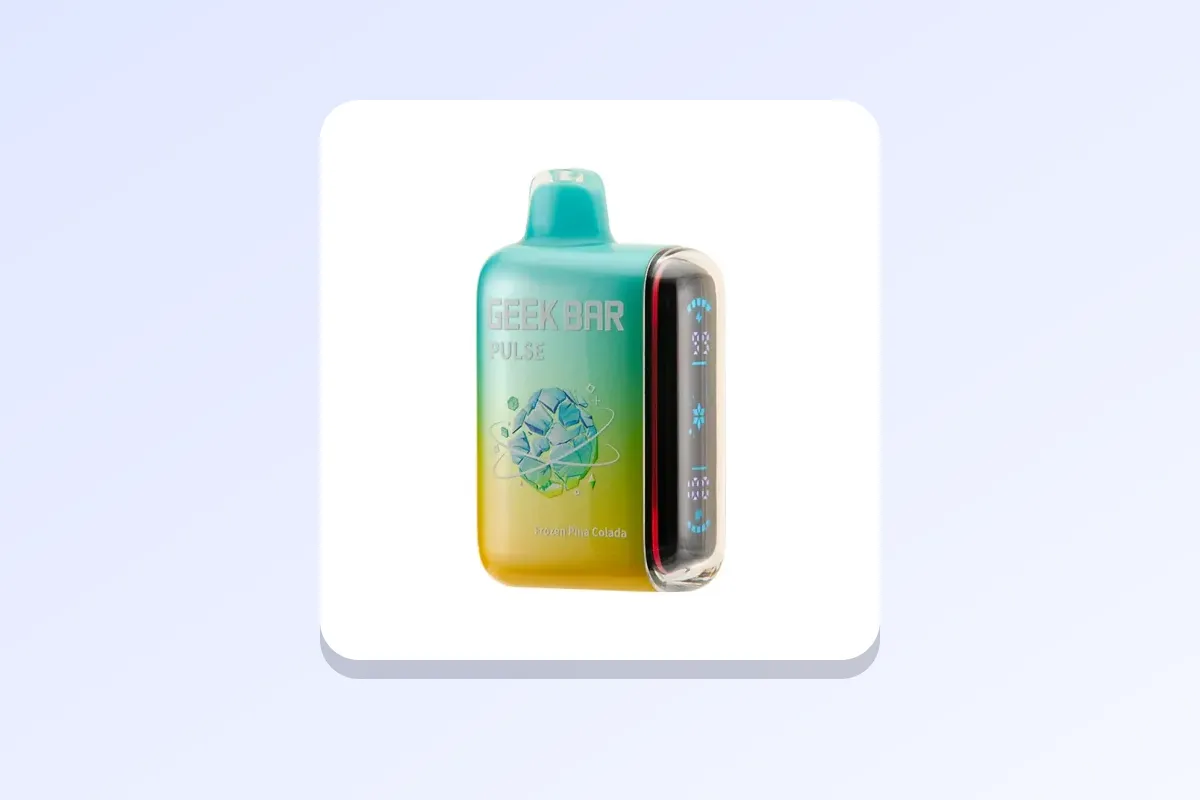
Freebase nicotine is the older form. At higher strengths it feels sharp on the throat, so freebase liquids are sold at lower strengths and used in devices that produce more vapor per puff. Nicotine salts bind nicotine to an acid, which changes the pH and makes the vapor feel smoother at higher strengths. That is why pods and disposables, which produce small puffs, use salts at 20 to 50 mg/mL. Our comparison of nicotine salts vs freebase goes into the chemistry and the cost differences.
How adults choose a starting strength
There is no universal right answer, but there are sensible habits:
- Start from what you already use. If you are moving from another nicotine product, compare the strength to that product and start at or below it rather than above it.
- Match the device. Low-power pods pair with salts, powerful tanks pair with low-strength freebase. A mismatch is the most common cause of a bad experience.
- Prefer lower to higher when unsure. It is easy to move up later and unpleasant to move down. A strength that is too high often shows up as dizziness, nausea or a racing heart, and the right response is to stop and use a lower strength next time.
- Change one thing at a time. If you switch strength, flavor and device all at once, you will not know which change made the difference.
- Allow for habit. People who vape very frequently often find they drift towards stronger products. Noticing that drift is useful information, and it is a reason to keep track of how much you use.
Disposables and the 5% standard
Most disposable vapes sold in the US list 50mg (5%). Because the puffs are small and the devices are low-power, that concentration is designed for the format. If a disposable feels too strong, taking shorter, less frequent puffs changes your intake far more than the label does. Some brands offer lower-strength versions, and our disposable vapes pages show the strength on each product, with options where a listing offers more than one.
Reading strength on our product pages
Every product page in the store shows the nicotine strength where the manufacturer lists it. Where a product comes in several strengths, such as 9mg, 12mg and 15mg, you choose the strength above the Add to Cart button and the page shows your choice. See how to read a vape product page for a walkthrough, and how to read an e-liquid label if you are holding a bottle.
Zero nicotine and flavor-only liquids
Some adults want the flavor and ritual without nicotine, and 0 mg liquids exist for them. They are labelled clearly, and they are still for adults aged 21 and over. If you move between nicotine and zero-nicotine liquids, rinse and refill the device properly so flavors do not mix, and replace the coil when the taste changes.
Common mistakes
- Buying the highest number available. High strength is not a quality marker. For most people it is the wrong place to start.
- Mixing up mg and percent. 5% is 50 mg/mL, not 5 mg/mL. Misreading the unit is easy to do with an unfamiliar label.
- Using salts in a high-power tank. The combination is harsh and wasteful, and the liquid is not designed for it.
- Ignoring the pouch scale. A 6 mg pouch and a 6 mg/mL liquid are not equivalent. Compare within the same product type.
- Not allowing time. Your sense of what feels right changes over the first week of a new device, so avoid judging on the first few puffs alone.
Keeping nicotine in perspective
Nicotine is an addictive chemical. The products on this site are for adults aged 21 and over, are not for use by anyone who is pregnant or nursing, and should be kept away from children and pets. If you have a medical condition or take medication, ask a healthcare professional before using any nicotine product. Nothing in this guide is medical advice, and no product described here is claimed to treat or prevent any condition. For the rules that govern sales and delivery, read what 21+ age verification means and the FDA and vaping products overview.
Putting it into practice at checkout
When you shop, filter by the product type that suits your device first, then compare strengths within that type. Choose the strength and pack size on the product page, check the price updates, and add it to your cart. Orders of $200 or more after discounts ship free, and paying with cryptocurrency or a supported gift card saves 10%, which you can read about in how the crypto discount works. If you are unsure which strength fits your device, contact us before ordering through the contact page or WhatsApp and we will help you read the label.
A short worked example
Suppose you currently use a pod device with a 30 mL bottle of 35 mg/mL salt, and you are considering a disposable. The disposable lists 50mg (5%). Converting, 35 mg/mL is 3.5%, so the disposable is about 43% stronger by concentration. Because disposable puffs are small and the device is low-power, many people find the experience comparable, but if you are sensitive you might choose a lower-strength option where one is listed, or take fewer, shorter puffs. The point is to compare like with like and then adjust gently, not to chase the biggest number.
Now suppose you use a sub-ohm tank with a 3 mg/mL freebase liquid. Converting to 50 mg/mL salts would be a 16-fold jump in concentration in a device that vaporizes far more liquid per puff, which is exactly the situation to avoid. In that case you would stay with freebase in a similar range and compare flavors, not strengths.
Frequently asked questions in depth
Does strength change how long a bottle or device lasts?
Not directly. Strength is a concentration, so a higher-strength liquid does not last longer or shorter because of the number itself. What changes consumption is the device and how you puff. Many people notice that with a higher-strength product they take fewer puffs to feel satisfied, which can make a bottle last longer, while others take the same number of puffs and simply use more nicotine. Keeping track of how many days a bottle or device lasts is a simple, honest way to see how your use is changing over time.
Should I change strength with the seasons or my routine?
Some adults adjust strength to their routine, for example using a lower strength at home and a higher one on a long working day. If you do this, keep the changes small and deliberate. Having two devices at two strengths is easier than constantly mixing liquids, and it keeps each setup consistent so you can tell what is working.
What if a strength feels too strong?
Stop, wait until you feel normal and use a lower strength next time. Taking shorter, slower puffs and spacing them out reduces intake with any product. If you repeatedly feel unwell at a given strength, it is the wrong strength for you, and a healthcare professional can advise if you have questions about nicotine.
What if a strength feels too weak?
Check the device first. A worn coil, a low battery or a mismatched liquid can make a good strength feel flat. Replace the coil or pod, charge the device and check the ratio before you move up in strength. See vape flavor fading fixes and why a vape is not hitting.
How should I read strength on pouches and other products?
Different product types use different scales. A pouch lists milligrams per pouch, a liquid lists milligrams per milliliter or a percentage, and a disposable lists the strength of the liquid inside. Compare only within the same type. If you move between types, start low and learn the new product.
Frequently asked questions
How do I convert mg/mL to percent?
Divide the mg/mL figure by 10. For example 20 mg/mL is 2% and 50 mg/mL is 5%. To go the other way, multiply the percentage by 10.
What strength do disposable vapes usually have?
Most disposables sold in the US list 50mg (5%), because they use nicotine salts in low-power devices. Check each product page for the exact figure.
Is a higher strength better?
No. Higher strength means a higher concentration, not a better product. Most adults do better starting at or below the level they already use and adjusting gradually.
Can I use nicotine salts in a sub-ohm tank?
It is not recommended. Salts are made for low-power pods. In a powerful tank the high concentration and large puffs make for a harsh experience.
Do you sell zero-nicotine products?
Yes, some e-liquids and disposables are available at 0 mg. They are still for adults 21 and over and are labelled clearly on the product page.
Where do I choose a strength on the product page?
Where a product offers more than one strength, the options appear above the Add to Cart button and the price updates when you choose one.
Vaping products contain nicotine. Nicotine is an addictive chemical. You must be 21+ to purchase. Not for use by pregnant women or people with health conditions. This article is general information for adults, not medical or legal advice. Product laws differ by state and city — check the rules where you live before you buy.
Shop related products
Keep reading
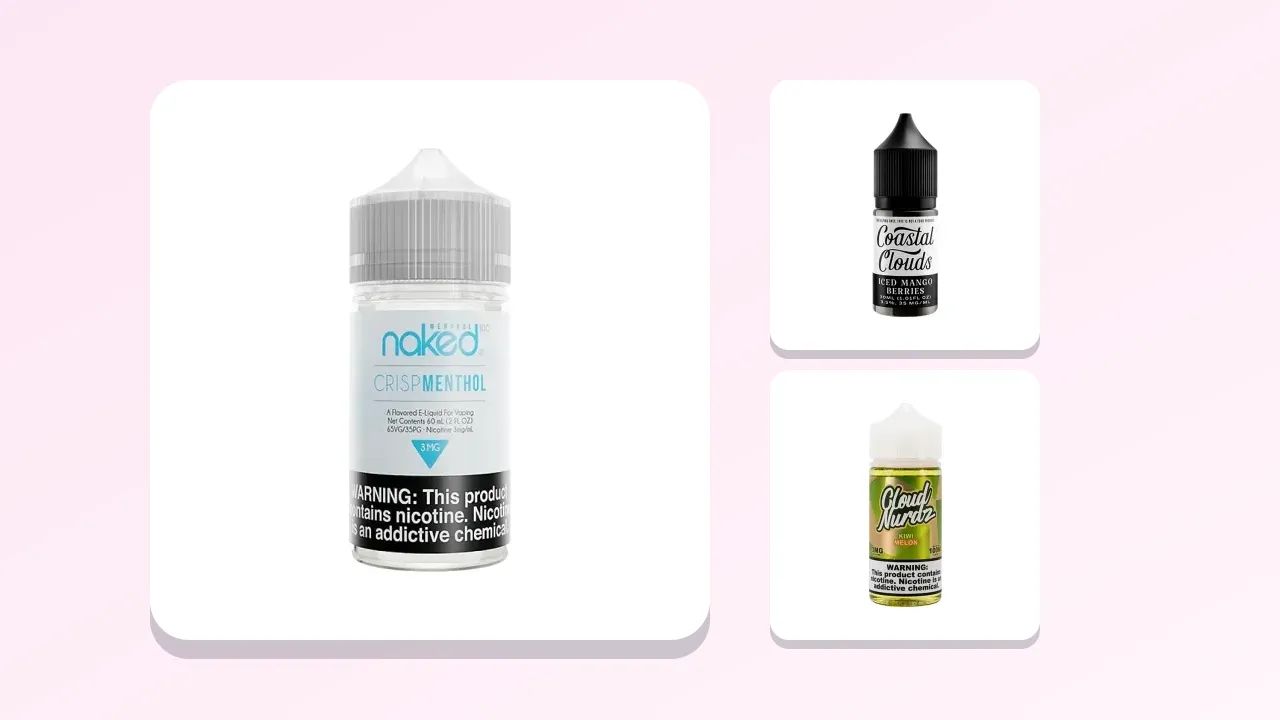
Nicotine Salts vs Freebase E-Liquid: Key Differences
Salts and freebase deliver nicotine differently. See how they feel, which devices suit each and how to choose between them.
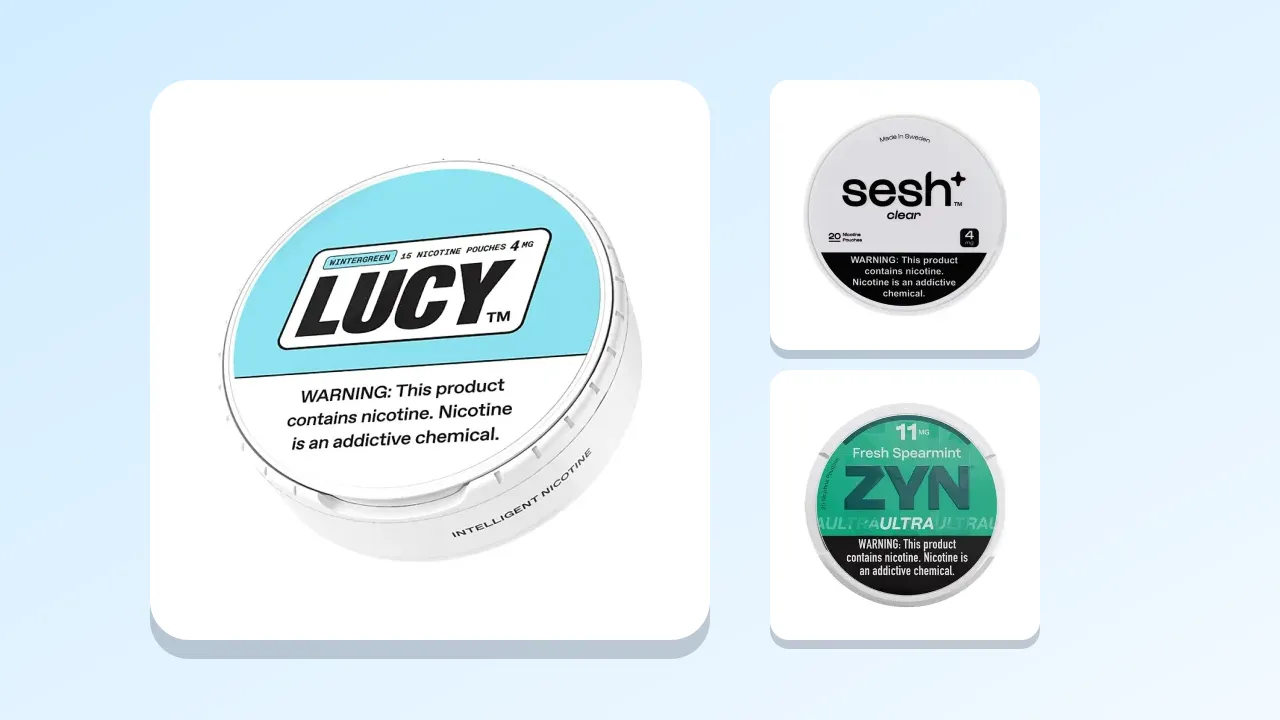
Nicotine Pouch Strengths Explained: 3 mg, 6 mg and Beyond
Pouch strength is printed in milligrams per pouch. Learn what the numbers mean and how adults can choose a level.
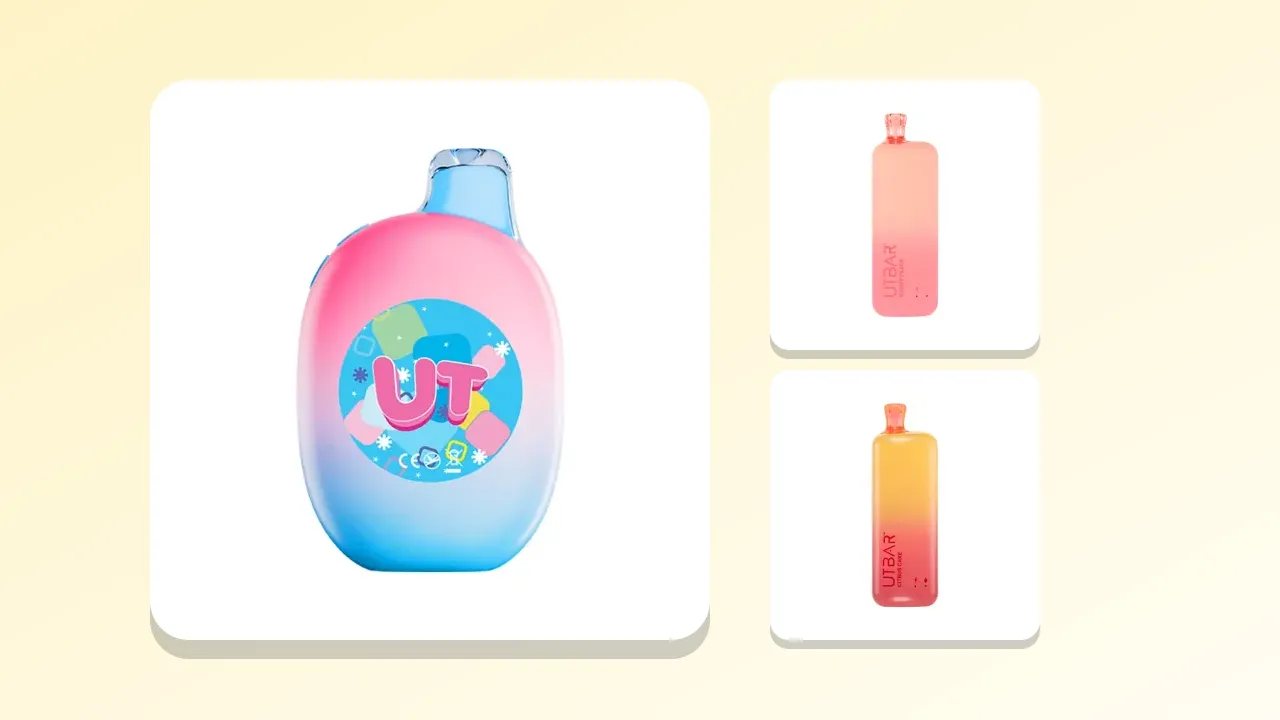
Vapes for Adult Beginners: Where to Start Without Wasting Money
New to vaping as an adult? Compare a first disposable, a pod kit and basic accessories, plus the mistakes that cost beginners money.