

Keeping Vapes and E-Liquid Away From Children and Pets
Nicotine liquid and devices must be kept out of reach. Here is how adults can store them responsibly and what to do if there is a spill.
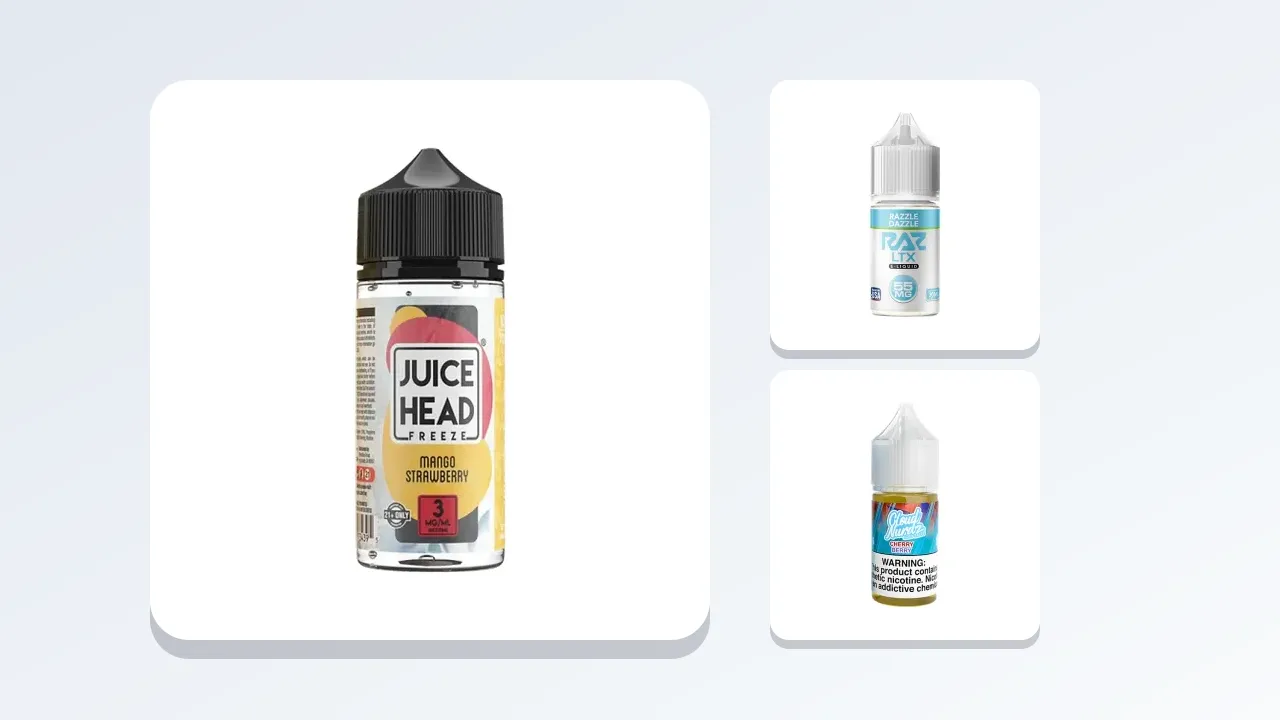
E-liquid contains nicotine, and a small amount can be dangerous to children and pets. Brightly colored packaging, fruit flavors and small, easy-to-open parts make these products attractive to curious hands and noses, which is why responsible storage is part of being an adult user. This guide explains how to store liquids, pods, pouches and devices out of reach, why original packaging matters, what to avoid, how to handle spills, what to do if someone is exposed, how to dispose of products responsibly and everyday habits that keep your home secure. It is general information for adults aged 21 and over and is not medical advice. If you think a child or pet has been exposed to nicotine, contact Poison Control or emergency services immediately.
Why it matters
Nicotine is a potent substance. Children and small pets can be affected by amounts that would hardly register for an adult, and a single bottle contains a large quantity. Liquids can be swallowed or absorbed through the skin, and pouches, which look like candy to some children, are another risk. Devices contain batteries and small parts that can also cause harm. Prevention is the best protection, and it takes only a few habits.
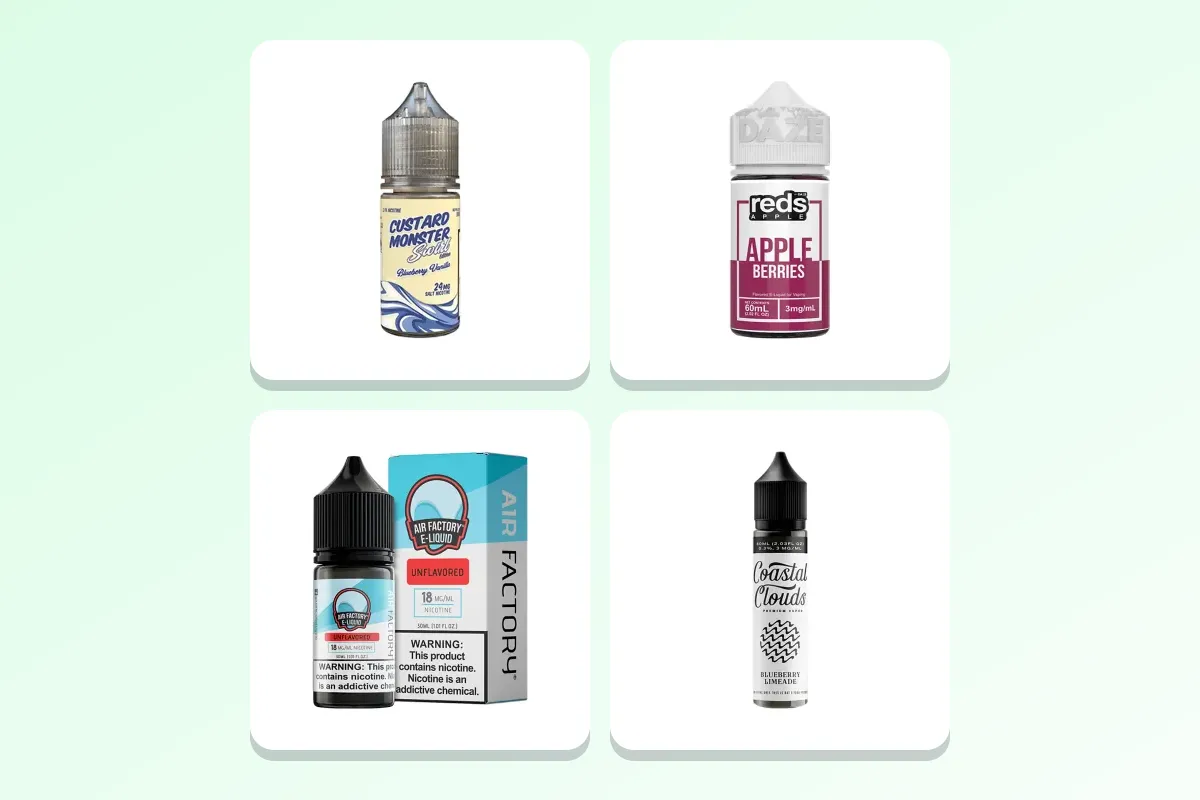
Store out of reach and out of sight
Keep liquids, pods, pouches and devices in a high, closed cabinet or a lockable box. Do not leave them on tables, counters, in handbags, in coat pockets or in cars where children or pets can reach them. Remember that children can climb, and that pets can open soft bags. A lockable box is worth the small cost, because it keeps working even when you forget. Put products away after each use, and do not leave them on a charger within reach.
Where not to store
- On coffee tables or bedside tables.
- In open bags or backpacks that children can reach.
- In drawers without locks that a child can open.
- In cars, where heat also damages products.
- Near food or in the kitchen, where children look for snacks.
Keep original packaging
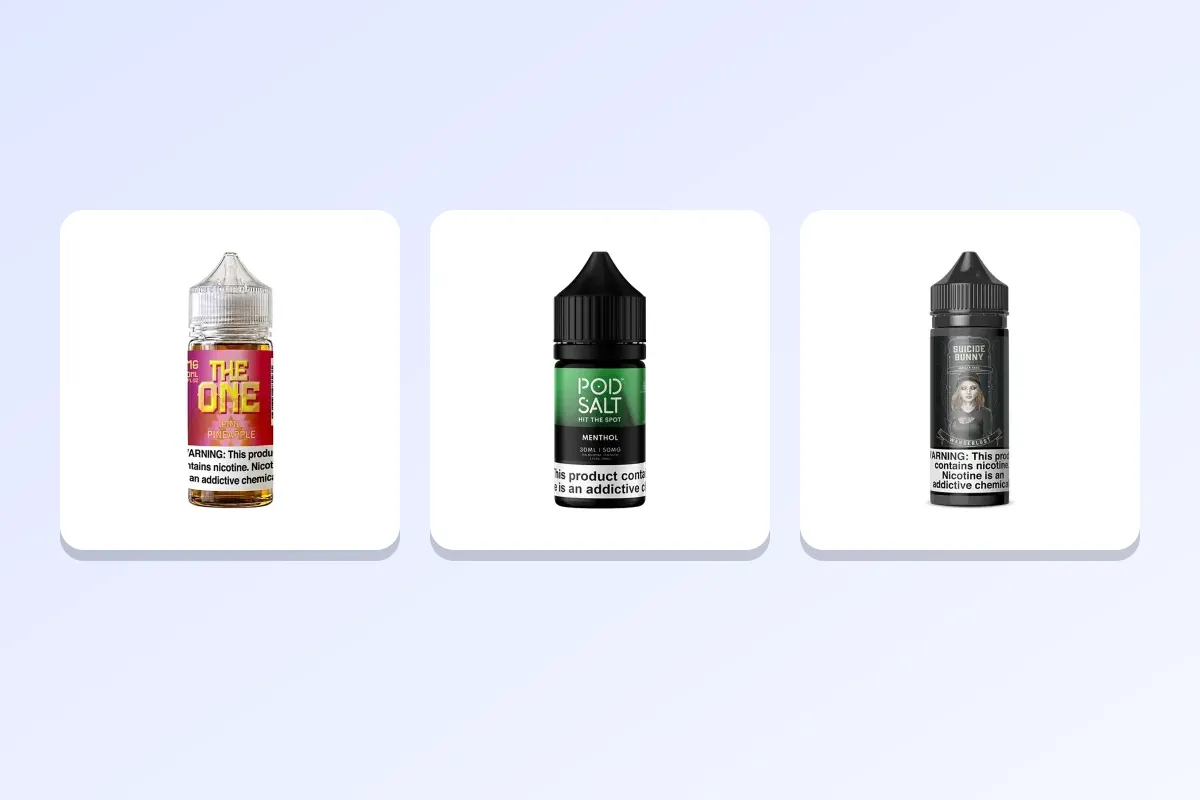
Child-resistant caps and warning labels are on the packaging for a reason. Keep products in their original containers with the labels, so that anyone who finds them knows what they are, and so that poison control can identify the contents if there is an emergency. Do not decant liquid into unlabelled bottles or food-style containers. Keep the caps tight, and make sure child-resistant mechanisms click fully shut.
Do not use food-style containers
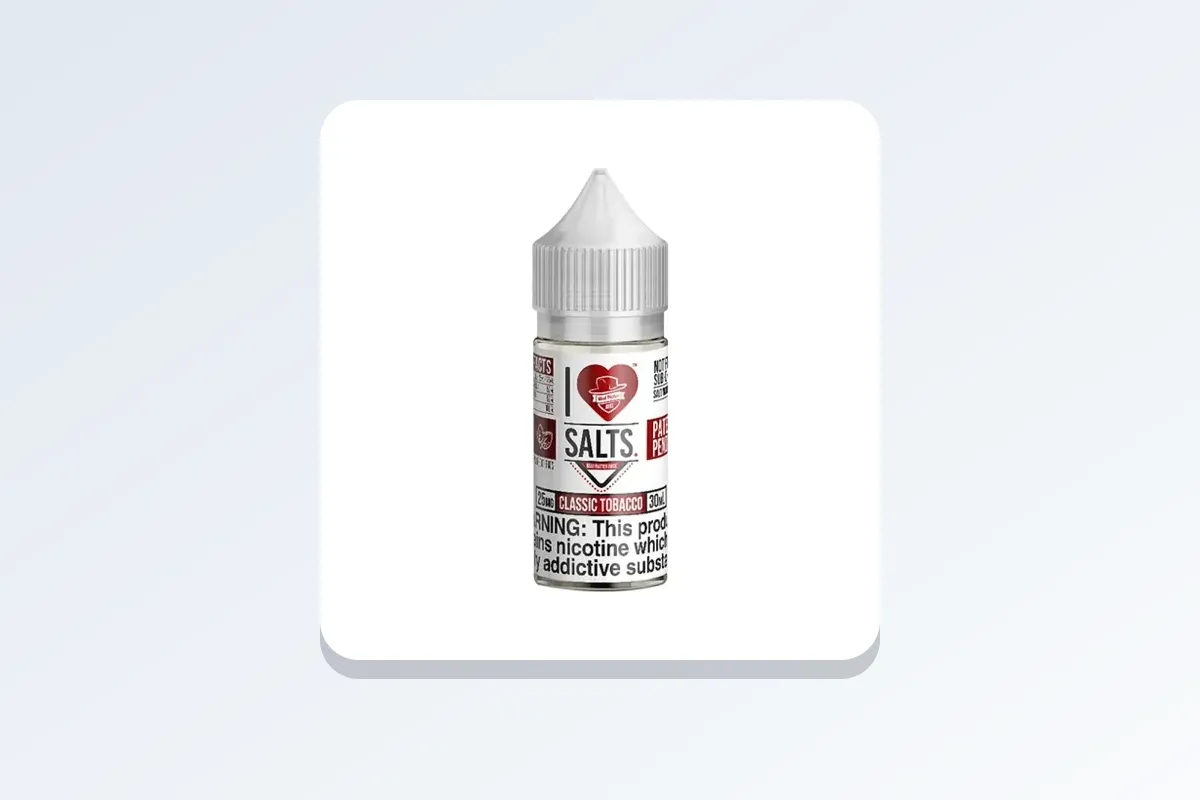
Brightly colored or fruit-flavored liquid can attract attention. Never store it in drink bottles, jars or near snacks, because a child could mistake it for a drink. Keep it away from where food and drink are kept. The same goes for pouches: keep the can closed and out of reach, and do not leave loose pouches anywhere.
Handle spills promptly
Wipe spills with paper towels while wearing gloves, wash the surface and your hands, and dispose of the towels responsibly. Avoid skin contact, and keep children and pets away until you have finished. If liquid gets on your skin, wash it off with soap and water straight away. If it gets in your eyes, rinse with water and seek advice. Clean up before you do anything else, because a spill on a floor can be reached by a crawling child or a pet.
If someone is exposed
Contact Poison Control right away at 1-800-222-1222 in the U.S., or your local emergency number if the person is unwell. Do not wait for symptoms. Have the product's packaging or the label to hand so that you can tell them what it is and how much may have been taken. For pets, contact a veterinarian or an animal poison control service at once. Do not try to make anyone vomit unless a professional tells you to. Quick action matters.
What to have ready
- The product packaging or a photo of the label.
- The approximate amount involved and when it happened.
- The age and weight of the person or pet.
Dispose responsibly
Used devices, empty pods and used pouches are also hazardous. Keep them out of reach until you dispose of them, and follow the rules in how to dispose of vapes and batteries. Do not put them in an open bin where a child or pet could reach them.
Everyday habits
- Charge devices where children cannot reach them, and never leave them charging unattended.
- Never let anyone under 21 handle a vape. Read about age verification.
- Do not vape around children or pets, and keep vapor away from their faces.
- Tell visitors where products are stored and to keep their own bags closed.
- Check regularly that nothing has been left lying around, especially after guests.
- Teach older children that these products are for adults only and are not toys.
See how to store e-liquid and how to store disposable vapes.
Special situations
When you have visitors
Visitors may bring children and pets who are not used to your home. Put products away before they arrive, and keep them away while they stay.
When you travel
Keep products in a closed bag that you control. Do not leave them in hotel rooms where cleaners or other guests might find them. See traveling with vapes.
When you move
Pack products separately, keep them with you and unpack them into a secure place straight away.
Frequently asked questions in depth
Are some products more dangerous than others?
Any product containing nicotine can be dangerous to a child or pet. Liquids are concentrated, and pouches can look like sweets. Treat all of them with the same care.
Do child-resistant caps solve the problem?
They help but are not foolproof. Children can learn to open them, and caps can be left loose. Storage out of reach is the real protection.
What if my pet chews a device?
Contact a veterinarian immediately, and tell them the product type and what was chewed. A damaged battery is also a hazard.
How do I explain this to older children?
Be honest and clear: the products are for adults, they contain a substance that can harm young people and they must never be shared.
What if I find a vape that is not mine?
Do not use it. Keep it away from children, and dispose of it responsibly.
Browse
See vape juice and disposable vapes. All products are for adults aged 21 and over, and nicotine is addictive. If you have any concern about exposure, call Poison Control at 1-800-222-1222 or emergency services.
A home audit in ten minutes
Walk through your home with a child's eye view. Check low shelves, coffee tables, bedside tables, bags on the floor and coat pockets. Check where you charge devices. Check your car's glove box and door pockets. Move everything to a high, closed, lockable place. Put a small box in each room where you tend to vape, so that you can put products away immediately. Tell everyone in the household where products are kept, and agree that they never leave them out. A ten-minute check, done every few months, keeps your habits honest.
Teaching and talking
Children are curious, and curiosity is natural. Simple, calm rules work better than long lectures: these things are for adults only, they can hurt you and you must tell a grown-up if you find one. If a child finds a product, praise them for telling you, instead of scolding. For teenagers, honest conversation about nicotine and addiction is more effective than a ban alone, and a healthcare professional can help if you are worried about a young person using these products.
Pets
Pets explore with their noses and mouths, and they can reach more than you expect. Cats jump onto shelves, dogs chew bags and small animals can be harmed by amounts that would not bother a person. Keep products where pets cannot reach, including in bags on the floor. If you vape indoors, be aware that residue can settle on surfaces, and clean them regularly.
Frequently asked questions in depth
Is vapor around children a concern?
Avoid vaping around children and pets, and keep vapor away from them. If you vape indoors, ventilate and clean surfaces, because residue can settle.
Are pouches as risky as liquids?
Pouches contain nicotine and can look like sweets. Keep the can closed and out of reach, and dispose of used pouches where children and pets cannot reach them.
Should I tell my doctor or vet about exposure?
Yes. Call Poison Control or emergency services first, and then follow professional advice. Tell the vet what product was involved and the amount, if you know it.
Planning for emergencies in advance
Save the Poison Control number, 1-800-222-1222, in your phone and write it where family members can see it, for example on the fridge or inside a cabinet door. Know the name and address of a nearby veterinary emergency clinic. Teach other adults in the household what to do: call first, have the packaging ready and do not wait for symptoms. A prepared household reacts faster, and in an exposure, speed matters.
Keep a record of what you have
It helps to know how many bottles, devices and cans you have, so that you can tell at once if something is missing. After guests visit, check that nothing has been moved or left out. If you find a product somewhere unexpected, find out how it got there and fix the cause. A little awareness goes a long way in keeping products where they belong.
Frequently asked questions
Why is e-liquid dangerous to children and pets?
It contains nicotine, and a small amount can harm a child or small pet. It can be swallowed or absorbed through the skin.
Where should I store vapes and liquids?
In a high, closed cabinet or a lockable box, out of reach and out of sight, not on tables, in handbags or in cars.
Should I keep the original packaging?
Yes. Child-resistant caps and labels matter, and the packaging helps Poison Control identify the contents. Do not decant liquid into food-style containers.
What should I do if someone is exposed?
Contact Poison Control at 1-800-222-1222 in the U.S., or your local emergency number, right away. For pets, call a veterinarian.
How do I handle spills?
Wipe with paper towels while wearing gloves, wash the surface and your hands, and dispose of the towels responsibly.
Can anyone under 21 handle a vape?
No. Never let anyone under 21 handle a vape.
Vaping products contain nicotine. Nicotine is an addictive chemical. You must be 21+ to purchase. Not for use by pregnant women or people with health conditions. This article is general information for adults, not medical or legal advice. Product laws differ by state and city — check the rules where you live before you buy.
Shop related products
Keep reading
Adult Vaper Etiquette: Using Devices Considerately
Courtesy and responsibility matter. Here are simple etiquette tips for using vapes in public, at home and around others.
Using and Storing Nixodine Devices: Practical Tips
Treat Nixodine devices like any rechargeable disposable: store them cool, charge sensibly and keep them away from children and pets.
How to Store Nicotine Pouches: Freshness and Child Safety
Storing pouches correctly keeps them fresh and out of the wrong hands. Here are practical tips for cans and bulk stock.