

Vapes, Pouches and Other Nicotine Products: How They Differ
A neutral comparison of how vapes and nicotine pouches work, what each requires and what adults should consider before using them.
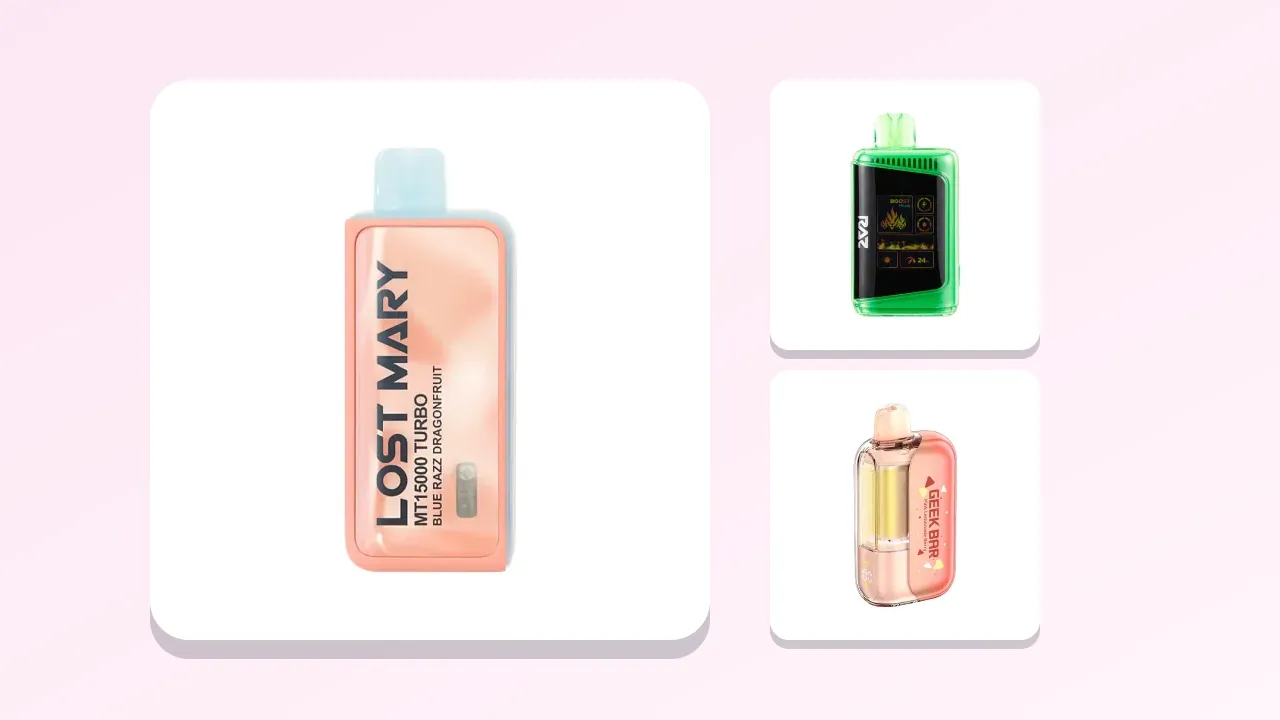
Adults who use nicotine can choose between several formats, and each works differently in practice. Some need a device and a charger, some are used in the mouth without any device, some produce vapor and some do not. This guide compares the main forms sold through our store, disposable vapes, pod systems, tank and mod systems, nicotine pouches and Nixodine devices, on practical points: equipment, preparation and upkeep, speed and feel, discretion, cost, travel, rules and waste. It does not compare health effects and makes no health claims, because we are a retailer and not a medical source. If you have health questions, speak to a licensed healthcare professional. It is written for adults aged 21 and over. Nicotine is addictive, and nothing here is medical advice.
Why compare formats
People choose a format because it suits their life: where they are, what they are willing to carry or maintain and what they enjoy. A format that suits a commuter may not suit someone who works at a desk. Knowing the practical differences helps you choose one that fits, and avoid paying for features you will not use.
The main formats
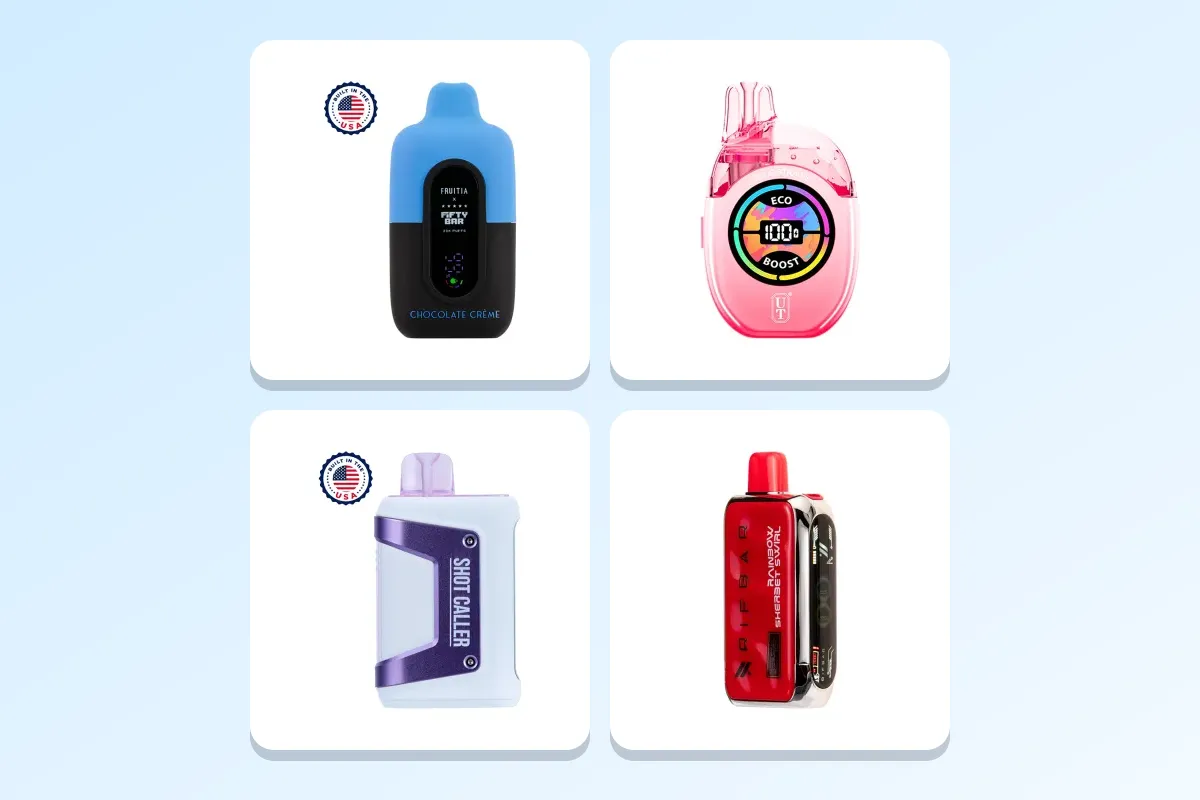
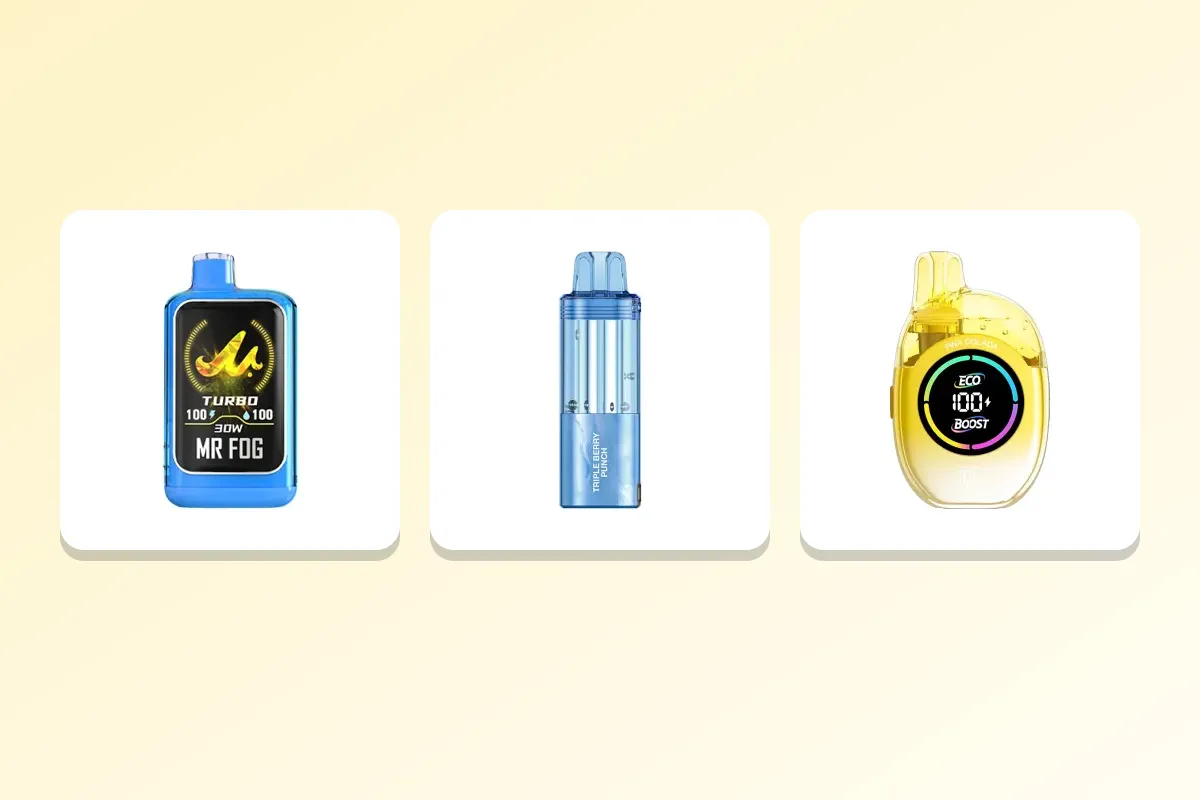
- Disposable vapes: sealed, ready-to-use devices.
- Pod systems: reusable batteries with pods.
- Tank and mod systems: adjustable devices with refillable tanks.
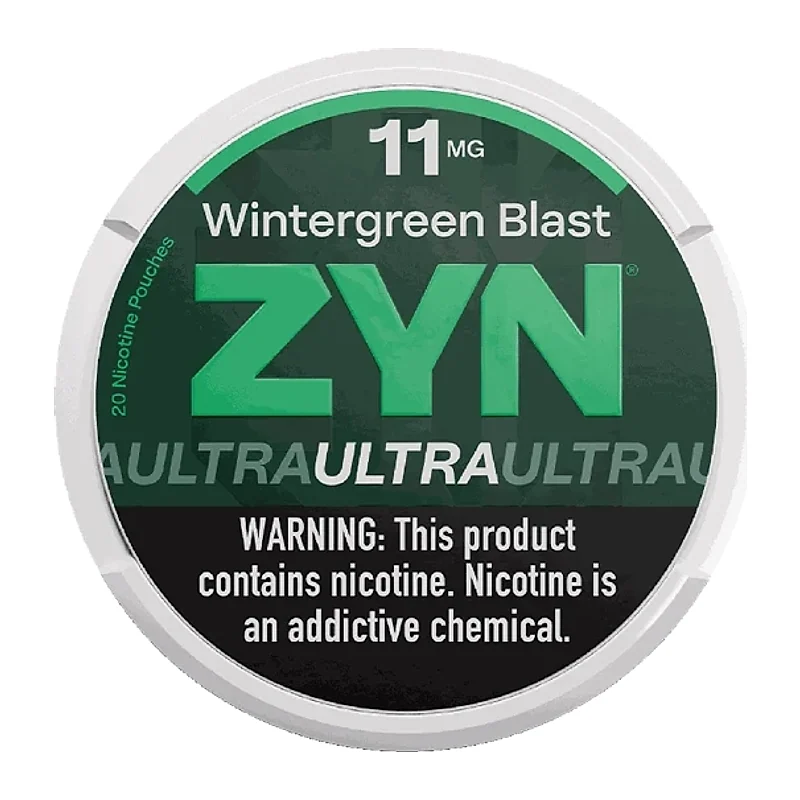
- Nicotine pouches: small pads placed between lip and gum.
- Nixodine devices: devices sold under that label, mostly disposables; see what is Nixodine.
Equipment
Disposables need nothing but a charge, if rechargeable. Pods need a battery and pods, and liquid for refillable ones. Tank and mod systems need a mod, batteries, a tank, coils and liquid. Pouches need only the can. If you want minimal equipment, pouches and disposables win. If you enjoy hardware, mods offer the most.

Preparation and upkeep
Disposables need charging only. Pods need refilling or replacing, and coil changes. Mods need coil changes, refilling, cleaning and battery care. Pouches need storage. See how to charge a disposable, how to change a pod or coil and how to store nicotine pouches.
Speed and feel
Vapes deliver nicotine within a few puffs, with the sensation of vapor in the throat and lungs. Pouches release nicotine slowly through the lining of the mouth, over a period of minutes, without vapor. Experiences are personal, and strengths are not comparable across formats. See nicotine strength guide and nicotine pouch strengths explained.
Discretion
Pouches produce no vapor, so many people find them the most discreet. Disposables and pods produce a small amount of vapor. Mods produce more. Discretion is not permission: rules and venue policies still apply, and being discreet does not make something allowed.
Cost
Costs vary with use. A rough comparison per day: a large disposable at $17.99 for 30,000 puffs, at 300 puffs a day, costs about $0.18 a day. A pod system with liquid and coils costs about $0.60 a day. A tank system costs about $1 to $1.50 a day. Pouches at $0.30 each, at five a day, cost $1.50 a day. These are examples only. Compare with your own use; see how to compare vape prices per puff.
Travel
Pouches are easy to carry, but some countries ban them. Disposables and pods are compact, but devices and batteries must travel in carry-on baggage, and you may not use them on board. Mods and tanks are bulkier and leak more. See traveling with vapes and best vapes for travel.
Rules
All of these are for adults aged 21 and over, and state and local rules apply. Some places restrict flavors, some restrict pouches and some restrict newer ingredients. Check the rules where you live. See state and local vape laws explained.
Waste
Disposables produce the most electronic waste. Pods and mods produce less, as the battery lasts. Pouches produce small amounts of waste, and cans can usually be recycled. All devices with lithium batteries need proper recycling. See how to dispose of vapes and batteries.
A comparison in words
- Disposable: simplest, most waste, lowest upkeep, good value in large sizes.
- Pod system: compact, moderate upkeep, lower running cost.
- Tank and mod: most control, most upkeep, largest vapor.
- Pouch: no device, no vapor, simple storage, may cost more per day.
- Nixodine device: similar to disposables, with a different ingredient label.
How to choose
Ask what matters most to you: simplicity, cost, flavor choice, discretion, control or travel. Match the answer to a format. If you are not sure, start with the simplest, a disposable or a pouch, and move on if you want something else. Read the label for whatever you choose. See pouches vs vapes and disposable vs pod vs box mod.
Something we do not do
We do not say that any format is better for health than another, and we do not suggest that any product treats or prevents any condition. If you want advice about nicotine and your health, a healthcare professional can help.
Frequently asked questions in depth
Can I use more than one format?
Some adults do. Remember that your total nicotine intake adds up, and that nicotine is addictive.
Which is cheapest?
It depends on your use. Large disposables are often cheap per puff, and refillable systems can be cheap per month.
Which is easiest to start with?
A disposable or a pouch, because neither needs setup.
Which has the least upkeep?
Pouches and disposables.
Are strengths comparable?
No. Do not compare numbers across formats.
Shop
Browse disposable vapes, vape kits, nicotine pouches and Nixodine products. All products are for adults aged 21 and over, and nicotine is addictive.
Choosing by situation
It helps to think in situations rather than in products. At a desk with plenty of time and a place to charge, a pod system or a disposable with a screen suits well. On a long commute, a pouch or a small device is easy to carry. At home in the evening, a refillable tank may be the most enjoyable. On a trip, a compact disposable avoids liquids that could leak in transit. Many adults use two formats, one for home and one for out and about. If you do, keep track of your total intake, because nicotine from every source adds up, and nicotine is addictive.
Questions to ask before switching formats
Why are you switching: cost, taste, convenience or something else? Does the new format use a different strength scale? Do you know the rules for it where you live? What will you do with the old equipment, and can it be recycled? How will you store the new product, away from children and pets? Switching without answering these can lead to buying products that you do not use, or using more nicotine than you intended.
Common misunderstandings
- "A bigger device means more nicotine." Not necessarily. Strength and puff count are separate.
- "Pouches and vapes have the same strength numbers." They do not. A pouch states milligrams per pouch, and a liquid states a concentration.
- "No vapor means no rules." Rules for pouches exist, and they vary by state.
- "Newer means better." Newer products may be more convenient, but we do not claim any format is better for health.
- "Discreet means allowed everywhere." Venue and workplace policies still apply.
Looking after each format
Disposables: charge on a hard surface, store upright and recycle when finished. Pods: store upright, keep contacts clean and change pods on schedule. Mods: use correctly rated batteries and check wraps. Pouches: keep the can closed, store cool and dispose of used pouches responsibly, not on the ground. Nixodine devices: treat them as you would a disposable. See how to dispose of vapes and batteries and how to store nicotine pouches.
Getting help choosing
If you are unsure, tell us what matters most to you through the contact page, and we will point you to the right category. We cannot give medical advice, and we do not recommend any product as a way to treat or prevent any condition. We can help with sizes, flavors, strengths and how to use a product.
Costs to watch beyond the sticker price
The price on the page is only part of the cost. For disposables, add the cost of replacing the device when it is finished, and any charger you do not already own. For pods, add pods and, for refillables, liquid. For tank systems, add coils, liquid, batteries and a battery charger. For pouches, add the number you use each day, multiplied by the cost of one. For Nixodine devices, treat them like disposables. When you compare, work out a monthly figure for your own use, because a cheap device that you replace every week can cost more than an expensive one that lasts for months.
A simple monthly comparison
Suppose you use a product at a steady rate for thirty days. A 30,000-puff disposable at $17.99 that lasts forty days costs about $13.50 for thirty days. A pod kit at $25 plus liquid and coils costing about $18 a month costs about $18 a month after the first month. A tank kit costing $45 plus about $30 a month for liquid and coils costs about $30 a month after the first. Pouches at five a day at $0.30 each cost about $45 a month. The numbers are examples, and your own will differ, but laying them out makes the trade-offs visible. See how to compare vape prices per puff.
Planning a first order across formats
Because our minimum order is $100, many customers try more than one format at once. A sensible mix might include a couple of disposables in different flavors, a pod kit with a spare pod and a can of pouches, if you are curious. Keep receipts and notes. Opened or used products cannot be returned, so choose formats and strengths you are fairly sure about, and start low. Orders of $200 or more after discount ship free, and paying with cryptocurrency or gift cards saves 10 percent. See minimum order and free shipping explained.
Keeping your own records
A simple note on your phone is enough: the date you started each product, how long it lasted, what you liked and what you did not. After a couple of months you will see which format fits your life, and what it really costs. That record is more useful than any guide, including this one.
Frequently asked questions
What formats do you sell?
Disposable vapes, pod systems and kits, vape juice for tanks and pods, nicotine pouches and Nixodine devices.
Which format needs the least equipment?
Pouches need only the can, and disposables need only a charge.
Which is most discreet?
Pouches produce no vapor, but venue and workplace rules still apply.
Which is cheapest?
It depends on your use. Compare cost per day for your own habits.
Do you compare health effects?
No. We are a retailer and make no health claims. Speak to a healthcare professional about health questions.
Can I compare strength numbers across formats?
No. Pouch strength is a fixed amount per pouch and liquid strength is a concentration.
Vaping products contain nicotine. Nicotine is an addictive chemical. You must be 21+ to purchase. Not for use by pregnant women or people with health conditions. This article is general information for adults, not medical or legal advice. Product laws differ by state and city — check the rules where you live before you buy.
Shop related products
Keep reading
Nicotine Pouches vs Vapes: Practical Differences for Adults
Pouches and vapes both deliver nicotine, but they differ in equipment, discretion, cost and rules. Here is a neutral side-by-side.
Nixodine vs Nicotine: What to Compare
A neutral checklist for comparing Nixodine products with traditional nicotine vapes: labeling, strength, rules, price and what to ask the seller.

Nicotine Pouch Brands Compared: ZYN, LUCY, NOAT, ZIMO and More
A quick tour of the pouch brands we stock: what each is known for, typical flavors and how to choose between them.