

Nicotine Pouch Strengths Explained: 3 mg, 6 mg and Beyond
Pouch strength is printed in milligrams per pouch. Learn what the numbers mean and how adults can choose a level.
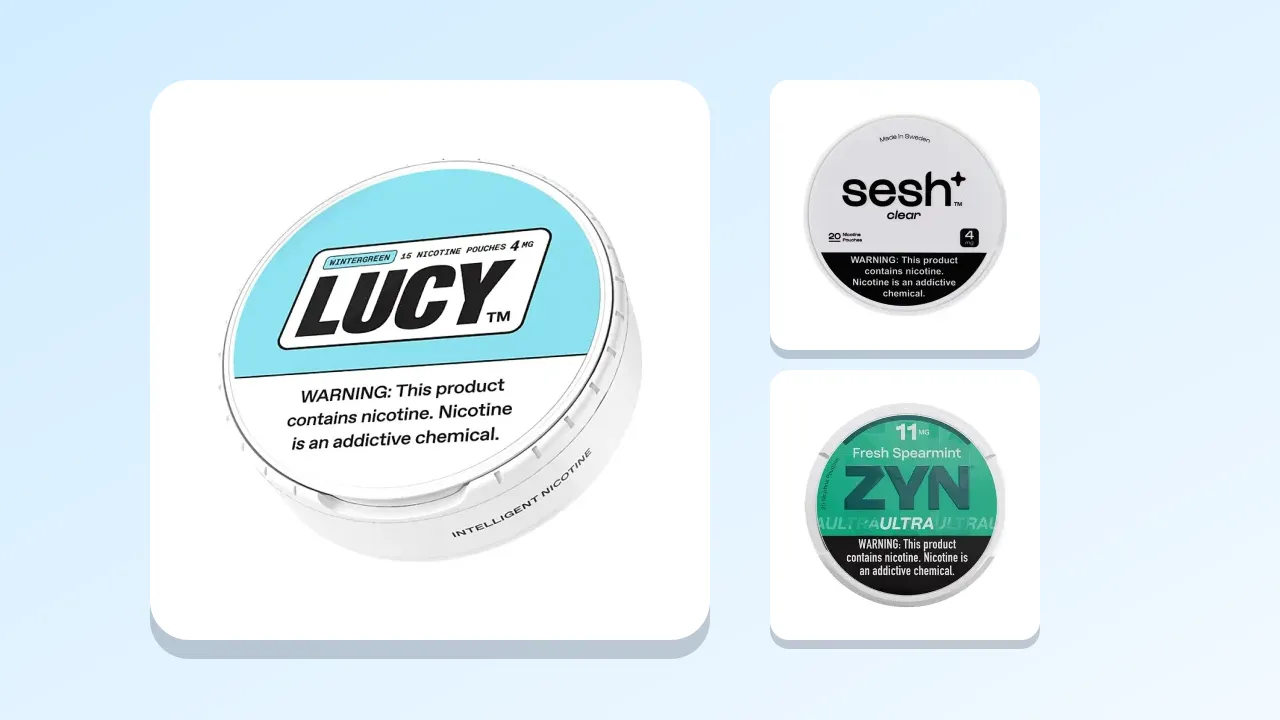
Unlike vape liquid, where strength is a concentration that depends on how much you inhale, pouch strength is a fixed amount per pouch, so the numbers are more straightforward. A 6 mg pouch contains six milligrams of nicotine, whatever the brand. That does not mean the experience is the same from product to product, because the amount you absorb depends on how long the pouch stays in, the pouch's size and moisture, your own body and how often you use them. This guide explains what mg per pouch means, typical strength tiers, how strength differs from flavor, how brands label strength, how to choose a starting point, how to read a can, what the strengths in our catalog look like and how to avoid common mistakes. It is written for adults aged 21 and over. Nicotine is addictive. This is general information, not medical advice.
What mg per pouch means
A 6 mg pouch contains six milligrams of nicotine in the pouch. How much your body absorbs depends on how long it stays in and your usage, and it is always less than the total. Strength is a ceiling on what could be absorbed, not a measure of what will be. Two people using the same pouch can feel different effects, and the same person can feel different effects at different times.
Typical strength tiers
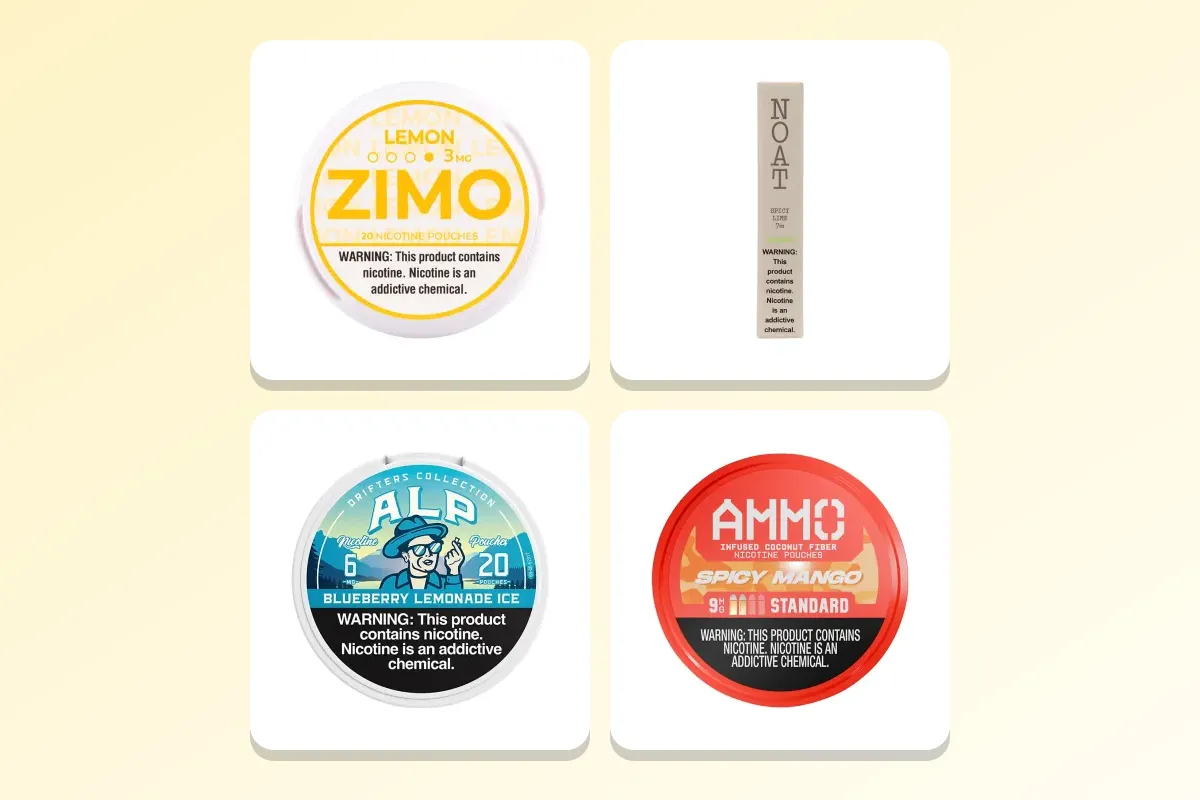
- Low (1.5 to 3 mg): milder, common for first-time users.
- Medium (4 to 6 mg): the usual middle range, and where many products sit.
- High (8 to 12 mg): stronger products for experienced users.
- Extra strong (13 mg and above): the strongest cans.
Brands name tiers differently, so check each label. Words like "strong", "extra strong", "ultra" and "magnum" are marketing, and the number is what counts. A "strong" pouch from one brand may be lower than a "regular" pouch from another.
What our catalog lists
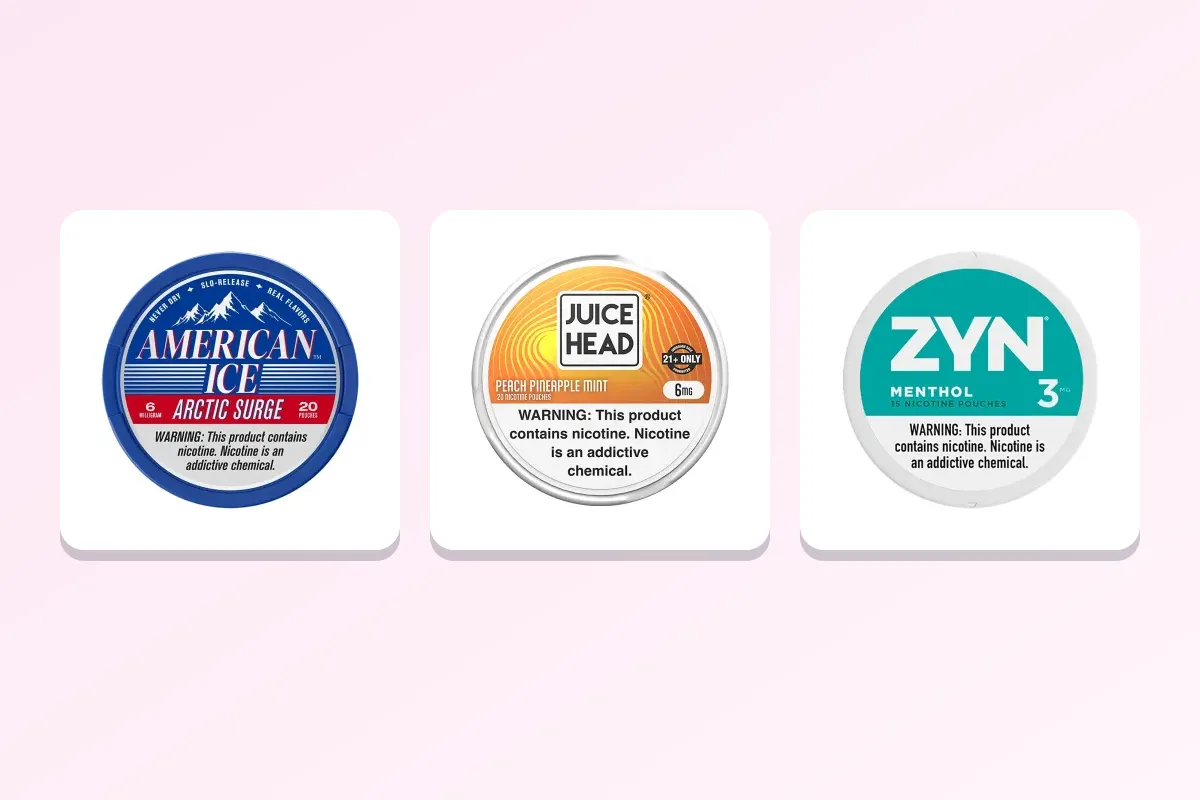
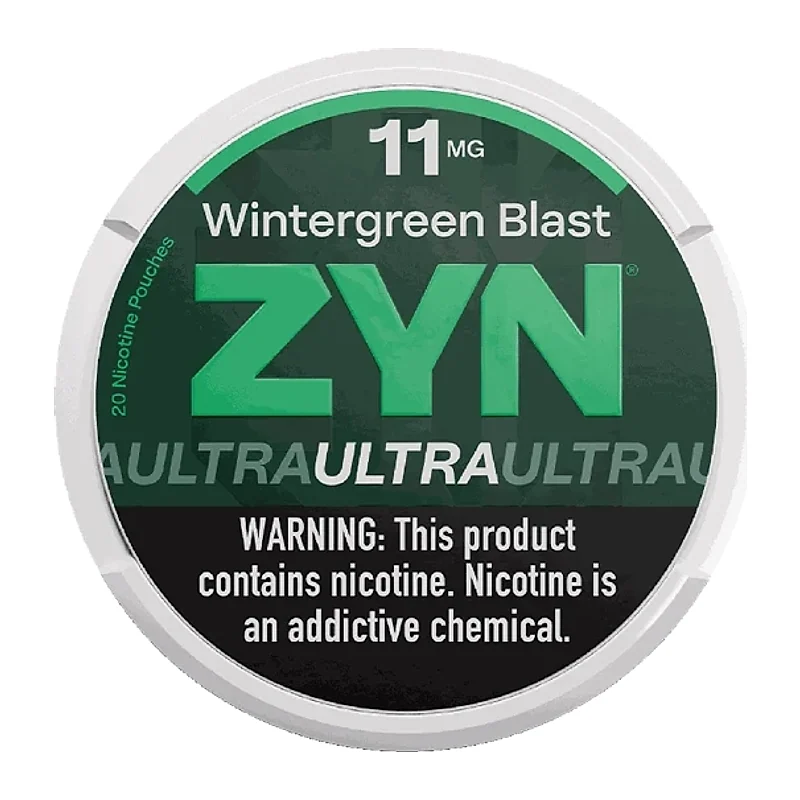
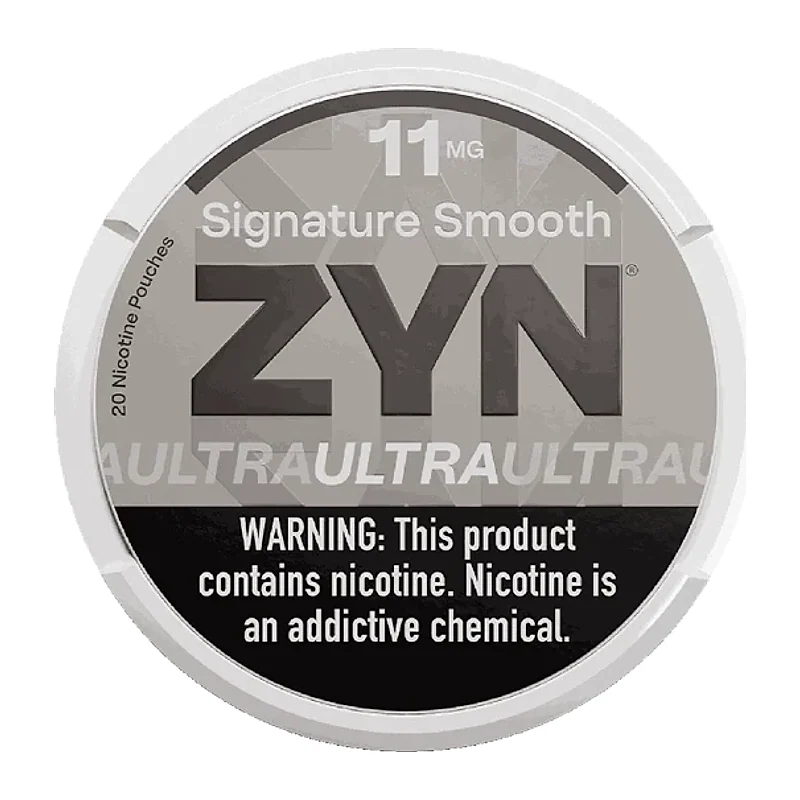
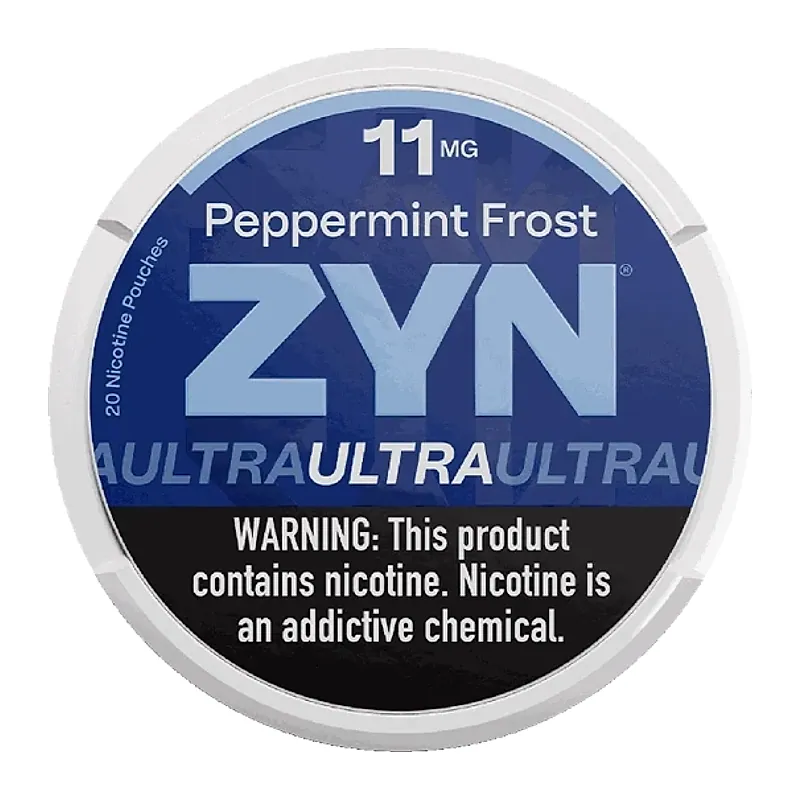
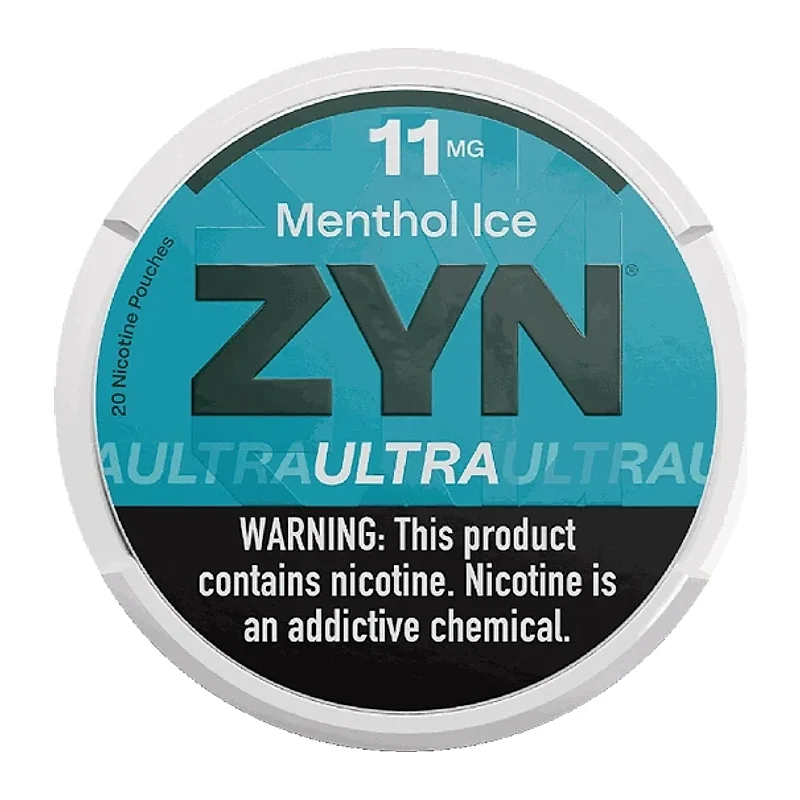
Our catalog covers pouches at strengths from about 3 mg to 15 mg per pouch. Examples include ZYN at 3 mg and 6 mg and in the Ultra range at 9 mg and 11 mg, NOAT at 10 mg, American Ice at 6 mg, and AMMO in three tiers, Standard 9 mg, Strong 12 mg and Magnum 15 mg. Several listings offer more than one strength, and you choose yours above the Add to Cart button, with the price updating to match. Check each product page for the strengths available.
Strength is not flavor
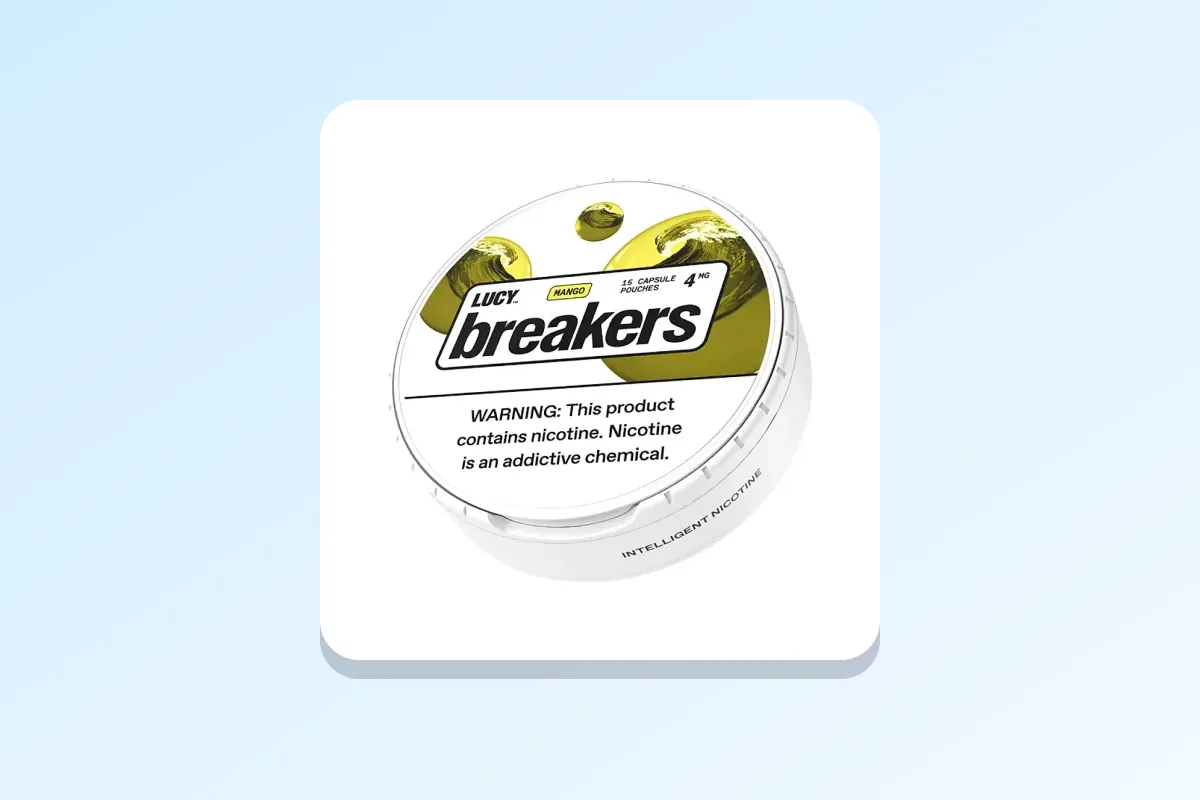
A strong pouch can have a mild flavor, and a mint pouch can be low-strength. They are separate. Cooling and flavor intensity are adjustable by the maker, and do not tell you how much nicotine is in the pouch. A strongly cooling pouch can feel intense without having a high strength, and a mild-tasting pouch can still be strong. Read the number, not the taste.
Pouch size and moisture
Two pouches with the same milligrams can feel different if one is larger, wetter or tighter. A slim pouch releases nicotine more slowly than a large, moist one. A drier pouch releases nicotine more slowly at first. That is why brands feel different even at the same listed strength, and why switching brands at the same strength can feel stronger or weaker.
How to choose
Start lower if you are new to nicotine, or match what you currently use if you are experienced. Nicotine is addictive, and increasing your intake is not advisable for everyone. If you are moving from another nicotine product, do not assume that the same number means the same experience. Try a small number of cans, and adjust gently. If you feel dizzy, nauseous, or your heart races, the strength is too high for you, and you should stop and use a lower one next time.
A sensible approach
- Pick the lowest strength that suits what you already use.
- Try one can from one brand.
- Notice how you feel in the first few uses.
- Adjust one thing at a time: strength, brand or flavor.
- Keep a note of what works.
Reading a can
Strength appears on the lid or side, with the number of pouches per can and the warning statement. Look for mg per pouch, not mg per gram, which some products also list. If a can lists strength in a different unit, check what it means. See what the nicotine warning label means and how many pouches are in a can.
Comparing pouches with other products
Pouch strength is a fixed dose, whereas liquid strength is a concentration. A 6 mg pouch and a 6 mg/mL liquid are not equivalent. Do not compare numbers across product types. If you are moving from vaping to pouches, or the other way, start low and learn the new product. See nicotine strength guide for liquids.
Using more than one
Most products are designed for one pouch at a time. Using two at once doubles the nicotine, and can be too much. Follow the instructions on the can, and do not combine pouches unless the maker says it is fine.
Common mistakes
- Buying the strongest because it is available.
- Assuming "strong" means the same across brands.
- Judging by taste. A mild flavor can hide a high strength.
- Switching brand and strength at once. Change one thing at a time.
- Ignoring how you feel. Dizziness or nausea means the strength is too high.
Frequently asked questions in depth
Is a higher strength better value?
Not necessarily. A stronger pouch may mean fewer per day for the same intake, but nicotine is addictive and this is not advice to change use.
Why does the same mg feel different?
Pouch size, moisture and your own body all affect it.
Can I cut a pouch in half?
Do not. Cutting a pouch can damage it, and it is not how the product is designed to be used.
How do I move to a lower strength?
Choose a lower-strength product and use it as directed. Talk to a healthcare professional if you want support with nicotine use.
What if I am unsure?
Ask us before you buy, and tell us what you use now. We will point you to products that match, without making health claims.
Compare brands
Shop
Browse nicotine pouches. All products are for adults aged 21 and over, and nicotine is addictive.
A worked example of choosing a strength
Suppose you currently use a 6 mg pouch a few times a day and you want to try another brand. Choose a 6 mg product, not a 9 mg or 12 mg one, because the different brand may already feel different. Try one can. If it feels too mild, you could move up one step, to the next strength the brand offers. If it feels too strong, move down. Keep a note of the brand, the strength and how you felt, so that you can repeat what worked. Changing only one thing at a time keeps the experiment clear.
How our product pages show strength
On a product page, the strength appears in the specifications and, where a listing offers more than one, as a choice above the Add to Cart button. Choose a strength, and the price and your cart line update to match. Your choice appears on your order, so that the right can is shipped. If a listing has only one strength, it is shown in the specifications. See how to read a vape product page for a walkthrough that applies to pouches too.
Strength and daily use
Using fewer stronger pouches or more milder ones can add up to a similar daily intake, but the experience differs. Some people prefer the steady feel of a lower strength used more often, and others the stronger effect of a higher one used less often. Neither is better for everyone. Nicotine is addictive, and the aim of this guide is to help you read labels, not to encourage heavier use.
Frequently asked questions about reading and comparing strength
Is 12 mg twice as strong as 6 mg?
In nicotine content per pouch, yes. In how it feels, not necessarily, because pouch size, moisture and your own body all matter. Treat the number as a guide, and step up slowly, if at all.
Why do some brands use words instead of numbers?
Words like "strong" and "extra strong" are marketing and vary between brands. Always read the milligram figure, which appears on the can and our product pages.
Should I buy the highest strength to get more for my money?
Not for that reason. A higher strength is a different product, not a bigger can of the same thing. Choose by what suits your own use, and remember nicotine is addictive.
What if I want to reduce my nicotine?
Choose a lower-strength product, use it as directed and speak to a healthcare professional for support. We cannot give medical advice, and we make no health claims.
A short checklist before you buy
- Check the mg per pouch on the product page.
- Compare it with what you use now.
- Check the pouch count and the best-by date.
- Start with one can if it is a new brand.
- Choose your strength option above the Add to Cart button.
Frequently asked questions
What does mg per pouch mean?
The amount of nicotine in each pouch, such as 6 mg. How much you absorb depends on how long it stays in, the pouch and you.
What are typical strength tiers?
Low 1.5 to 3 mg, medium 4 to 6 mg, high 8 to 12 mg and extra strong 13 mg and above, though brands name tiers differently.
What strengths do you stock?
From about 3 mg to 15 mg per pouch, for example ZYN at 3, 6, 9 and 11 mg, NOAT at 10 mg and AMMO at 9, 12 and 15 mg.
Is strength the same as flavor intensity?
No. A strong pouch can taste mild, and a mild pouch can taste strong. Read the number.
What should I start with?
A lower strength if you are new to nicotine, or no higher than you already use if you are experienced.
Can I use two pouches at once?
Only if the can says so. Most products are designed for one at a time.
Vaping products contain nicotine. Nicotine is an addictive chemical. You must be 21+ to purchase. Not for use by pregnant women or people with health conditions. This article is general information for adults, not medical or legal advice. Product laws differ by state and city — check the rules where you live before you buy.
Shop related products
Keep reading
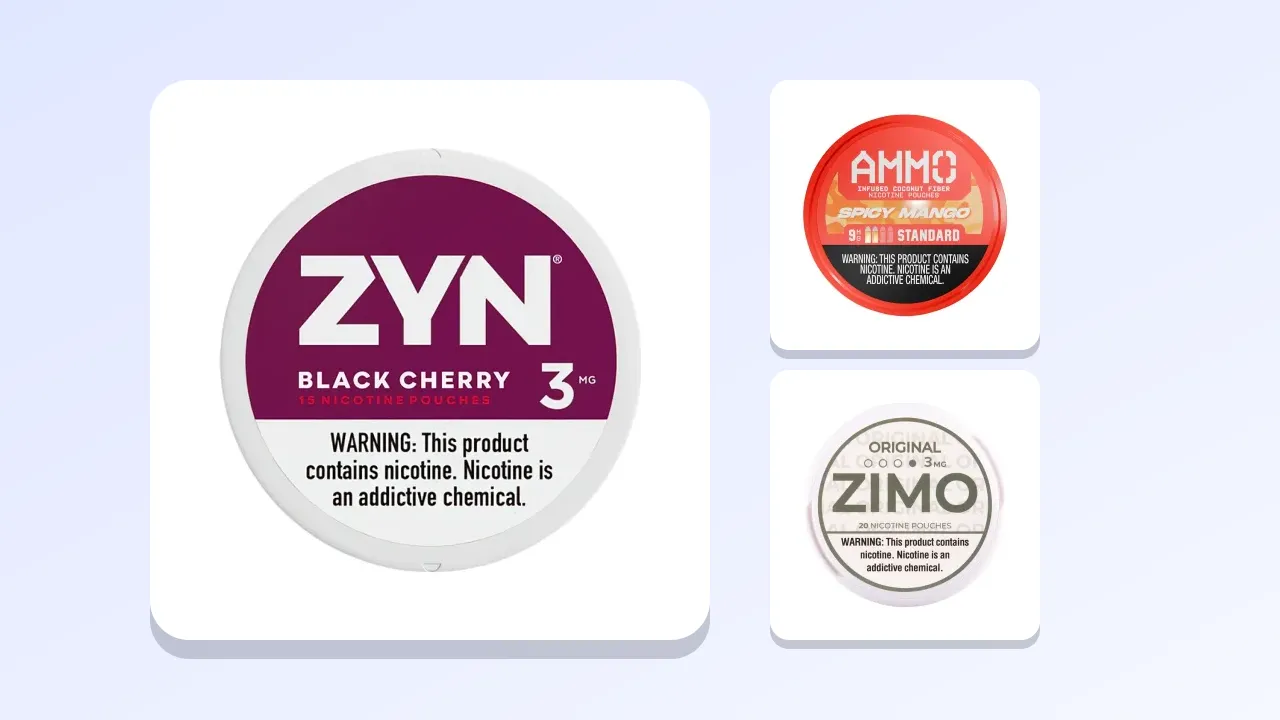
Nicotine Pouches for Adult Beginners: What They Are and How to Choose
Tobacco-free nicotine pouches need no device and produce no vapor. Learn how they work, strengths, flavors and how to pick a first can.
Vapes, Pouches and Other Nicotine Products: How They Differ
A neutral comparison of how vapes and nicotine pouches work, what each requires and what adults should consider before using them.
Nicotine Strength Guide: mg/mL, Percent and What to Pick
Understand how nicotine strength is labeled, how mg/mL converts to percent, and how adults can choose a strength that matches their habits.