

Traveling With Vapes: Airline and Battery Rules in Brief
Vapes belong in carry-on bags, never checked luggage, and cannot be used on board. Learn the basics before your next trip.
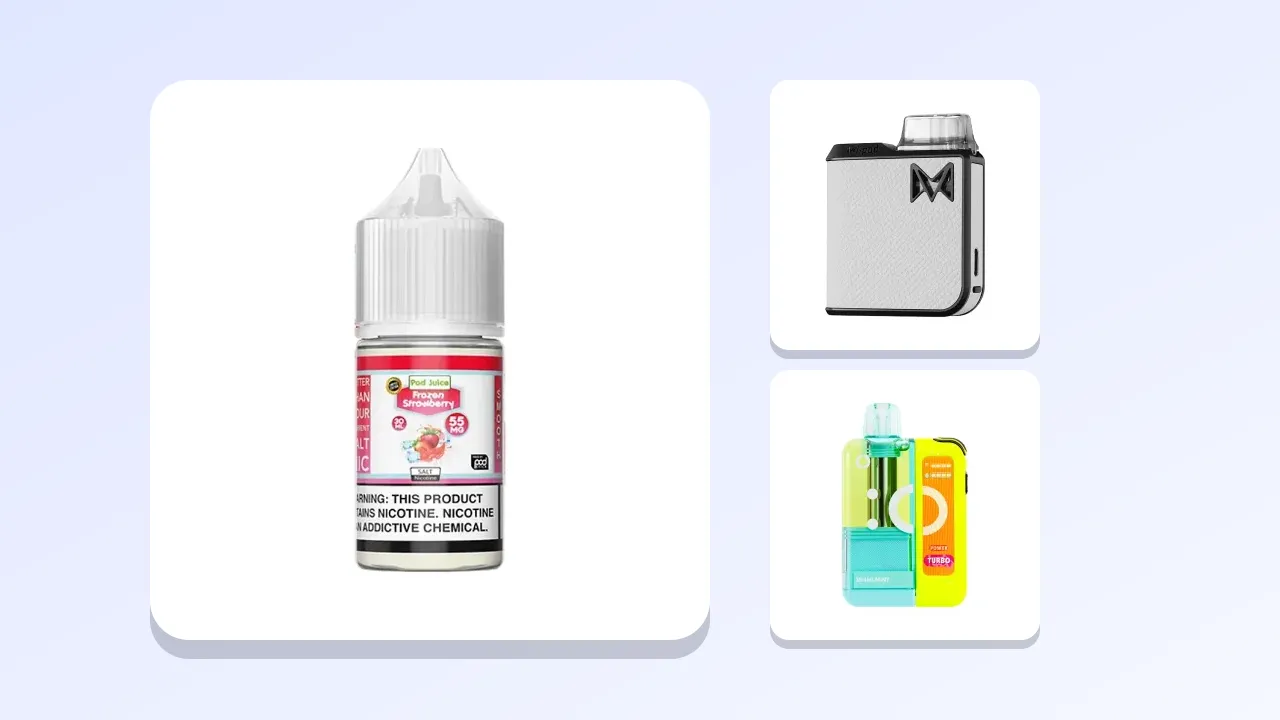
Traveling with a vape is simple once you know the handful of rules that apply almost everywhere, and a headache if you find them out at the airport. Devices, batteries and liquids are all treated differently from ordinary luggage, the rules at your destination can be very different from the rules at home, and a few small habits make a big difference to whether your trip goes smoothly. This guide covers where devices and batteries must travel, why vaping on board is prohibited, how to protect batteries, how the liquid rules work, what to check about your destination and about international travel, how to pack and what to do if something goes wrong. It is general information, not legal advice. Laws and airline policies change and differ by state, city, airline and country, so check the rules that apply to your trip. Everything we sell is for adults aged 21 and over, and nicotine is addictive.
Carry-on only
Under U.S. aviation rules, e-cigarettes, vaporizers and spare lithium batteries must travel in carry-on baggage. They are not allowed in checked bags, because a battery fire is much easier to detect and handle in the cabin than in a cargo hold. This applies to devices with built-in batteries, such as disposables and pod kits, as well as to loose spare cells for box mods. If you arrive at the airport with a vape in a bag you intend to check, you will need to move it to your carry-on before you go through the checkpoint. Airlines and security officers can require this, and a device found in a checked bag may be removed.
Why the rule exists
Lithium batteries can overheat if they are damaged or short-circuited. In the cabin, crew can respond quickly. In the hold, a fire could go unnoticed for longer. That is the reasoning behind the same rule for power banks and many other battery-powered devices.
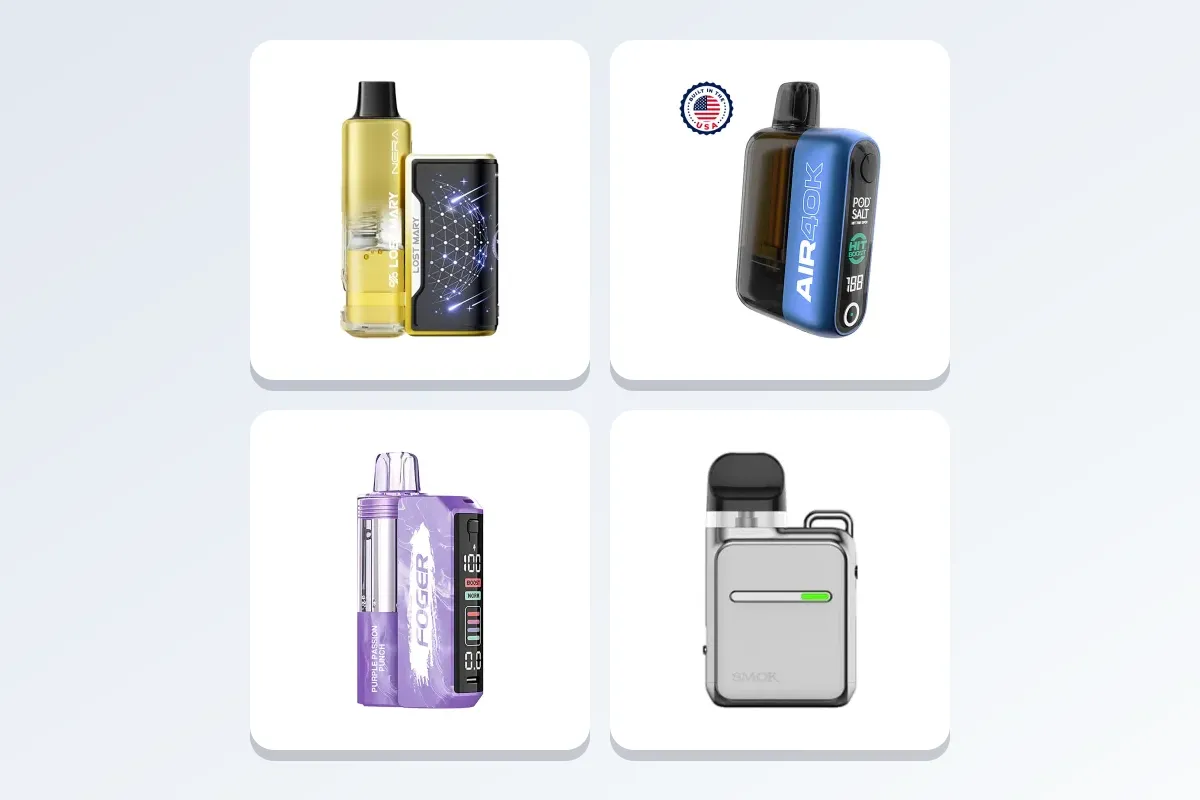
No vaping on board
Using a vape on a commercial aircraft, including in the lavatory, is prohibited. This applies to every flight, and it includes charging a vape from the aircraft's power outlets in some cases, depending on the airline's rules. Do not use or charge your device during a flight unless the airline explicitly permits charging, and even then keep it supervised. Violations can bring fines, and crews take them seriously. Plan ahead for long flights, including how you will manage without vaping, and avoid using your device in the terminal where it is not allowed.
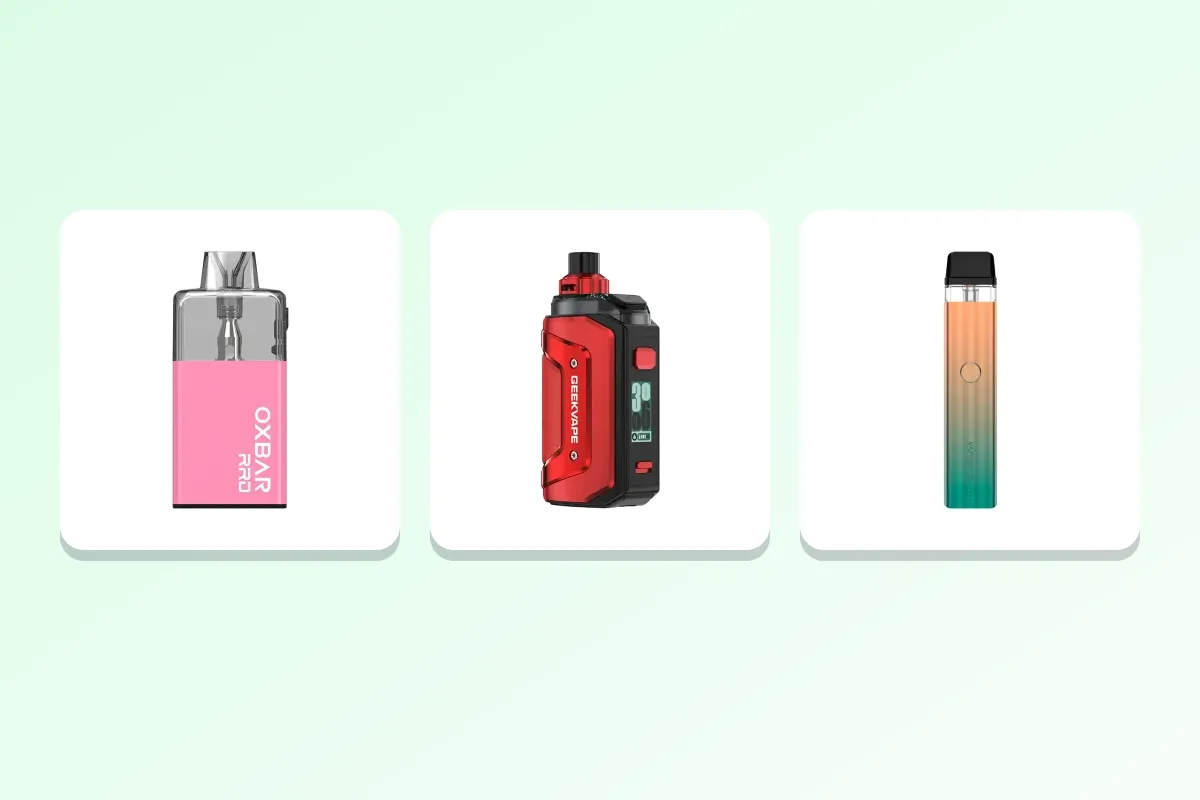
Protect batteries
Battery protection is the most useful habit for travel.
- Keep spare batteries in a case or in separate pouches so that metal objects, such as keys and coins, cannot touch the terminals.
- Switch off devices before you pack them, and lock the fire button if it has a lock function.
- Store them where they cannot be pressed accidentally, for example in a small zipped pocket, not loose at the bottom of a bag.
- Do not pack a damaged device. A swollen, dented or hot device should not travel at all. See lithium battery care basics.
- Keep devices out of heat such as a hot car or direct sun on the way to the airport.
- Keep it accessible. A device in an outer pocket or a small pouch is easy to show to a security officer if asked.
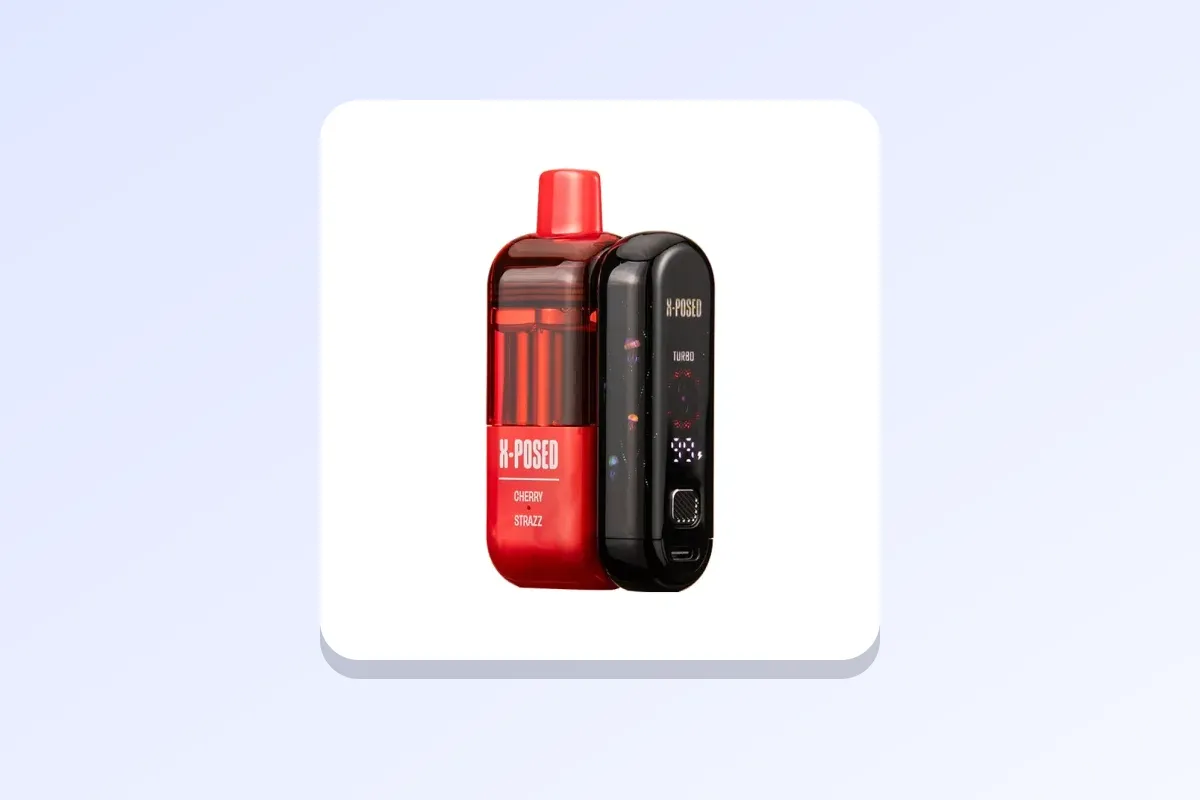
Liquids
Liquids follow the standard carry-on liquid rules in most places: containers of 3.4 ounces (100 milliliters) or less, in a single clear resealable bag, with larger bottles not permitted in carry-on. Pressure changes during a flight can cause leaks, so use pods that are nearly empty or sealed, tighten caps, and put bottles in a sealed bag in case they leak. Do not fill a tank just before a flight, because expanding air can push liquid out. If you use refillable devices, consider traveling with a small bottle and filling after you land. See choosing a vape for travel for devices that suit trips.
Disposables as travel devices
Many travelers choose disposables because they are sealed and need no liquid handling. They still contain a battery, so they must travel in carry-on. A smaller device packs more easily and is less likely to leak, but check that it is not damaged before you travel.
At security
Be ready to show your device at security. Officers may ask you to remove vapes and batteries from your bag, and they may inspect them. Keep them accessible, answer questions politely and follow instructions. If an officer says a device cannot travel, accept it and ask what the options are. You are responsible for what is in your bag, so know what you are carrying.
At your destination
Rules differ by state, city and country. Some places ban vape use in public places, workplaces, hotels, rental cars and parks, and a few restrict possession or sales. A hotel can charge a cleaning fee for vaping in a room. Check the rules before you travel, and read our overview of state and local vape laws. Respect no-vaping signs, and be considerate of other people.
Shipping to your destination
If you will be away from home for a while, remember that deliveries need an adult to sign. Do not ship a parcel to a hotel or a short-term rental unless you are sure an adult aged 21 or older will receive it with ID. See shipping address tips.
International travel
Many countries restrict or ban vapes and nicotine liquids, and some impose heavy penalties for carrying them. A device that is legal at home can be illegal to import. Check the laws and customs rules of every country you will pass through, including transit stops, before you go. If a country bans nicotine liquid, do not carry it. If you are unsure, consider leaving your device at home. The consequences of getting this wrong, including fines and confiscation, are not worth the convenience.
Packing checklist
- Device switched off, with any lock engaged.
- Spare batteries in a case.
- Device and batteries in your carry-on, not your checked bag.
- Liquids in small, sealed containers within the carry-on limit.
- Cap tight and pods nearly empty or sealed.
- Everything in a place that is easy to reach at security.
- A plan for where you can vape legally at your destination.
Frequently asked questions in depth
Can I vape in the airport?
Only in areas where it is permitted. Many airports ban it in the terminal, and some have designated smoking areas. Check signs, and do not vape in restrooms.
Can I charge my vape on the plane?
Airlines differ, and many discourage or prohibit charging devices that are not specifically allowed. Do not charge unattended, and follow crew instructions. Better still, charge before you go and carry a charged device.
Do I need to declare my vape?
You do not usually need to declare it, but you must put it in your carry-on, and you may be asked about it at security.
What if my device is confiscated?
Ask the officer about the options, such as handing it to someone who is not traveling. Do not argue, and do not try to hide it.
Can I bring nicotine pouches?
Pouches are not batteries or liquids, so they are not covered by the same rules, but other countries restrict them heavily, and some states do too. Check your destination.
Related
Check battery care basics, how to dispose of vapes and batteries and state and local vape laws. Browse vape kits and disposable vapes. All products are for adults aged 21 and over, and nicotine is addictive.
A worked example: a weekend trip
You are flying from Phoenix to Chicago for a long weekend with a pod kit, two spare pods and a small bottle of liquid. At home you check that the kit is charged, switch it off and lock the button. You put the device and the pods in a zipped pocket of your carry-on, and the liquid in a clear bag with your other toiletries, in a bottle under 3.4 ounces. At security you take the bag out if asked, show the device and put it back. On the plane you do not use it. In Chicago you check the local rules before you vape outdoors, and you avoid using it in the hotel room. On the return flight, you pack everything the same way. The whole routine takes five minutes, and nothing about it is complicated once you have done it.
If you are connecting through other countries
If your route passes through another country, even only for a layover, its rules apply while you are there. Some countries inspect baggage in transit, and a device that is banned there can be confiscated or lead to penalties. Check the rules for every stop, and if you are in doubt, travel without the device. For flights within the United States, the main rules are the carry-on requirement and the ban on use on board, but the airline's own policy may add more, so read it before you fly.
Tips for frequent travelers
Keep a small travel kit that stays packed: a spare battery case, a clear bag for liquids and a lanyard or pouch for the device. Replace anything that is worn. Check your device before each trip for swelling, damage or a loose cap. Buy a travel-size bottle rather than decanting from a large one at the airport. And do not rely on being able to buy a replacement at your destination, because rules and availability differ.
Frequently asked questions
Can I put my vape in checked luggage?
No. Under U.S. aviation rules, e-cigarettes, vaporizers and spare lithium batteries must travel in carry-on baggage.
Can I vape on a plane?
No. Using a vape on a commercial aircraft, including in the lavatory, is prohibited.
How should I pack spare batteries?
In a case or separate pouches so metal objects cannot touch the terminals, with devices switched off and the fire button locked if it has a lock.
What are the liquid limits?
Standard carry-on rules apply: containers of 3.4 ounces (100 milliliters) or less in a clear resealable bag. Keep pods nearly empty or sealed to avoid leaks.
Can I take a vape abroad?
Many countries restrict or ban vapes and nicotine liquids. Check the laws and customs rules of every country on your route before you go.
What if my destination bans vaping?
Respect the rules. Some places ban use in public, hotels and rental cars, or restrict possession.
Vaping products contain nicotine. Nicotine is an addictive chemical. You must be 21+ to purchase. Not for use by pregnant women or people with health conditions. This article is general information for adults, not medical or legal advice. Product laws differ by state and city — check the rules where you live before you buy.
Shop related products




Keep reading
How to Dispose of Vapes, Pods and Batteries Responsibly
Vapes contain batteries, electronics and residual nicotine. Here is how to dispose of them properly and where to look for recycling options.

Pouch Etiquette and Travel: Where and How to Use Them Responsibly
Pouches are discreet, but rules and courtesy still apply. Tips for work, public places and traveling.
Vape Indicator Lights: What Blinking and Color Changes Mean
LED lights tell you about charge, faults and activation. Learn the common patterns and what to do when a vape blinks at you.