

How to Store Disposable Vapes So They Stay Fresh
Storing disposables correctly protects the battery and flavor, especially if you buy in bulk. Here is what to do.
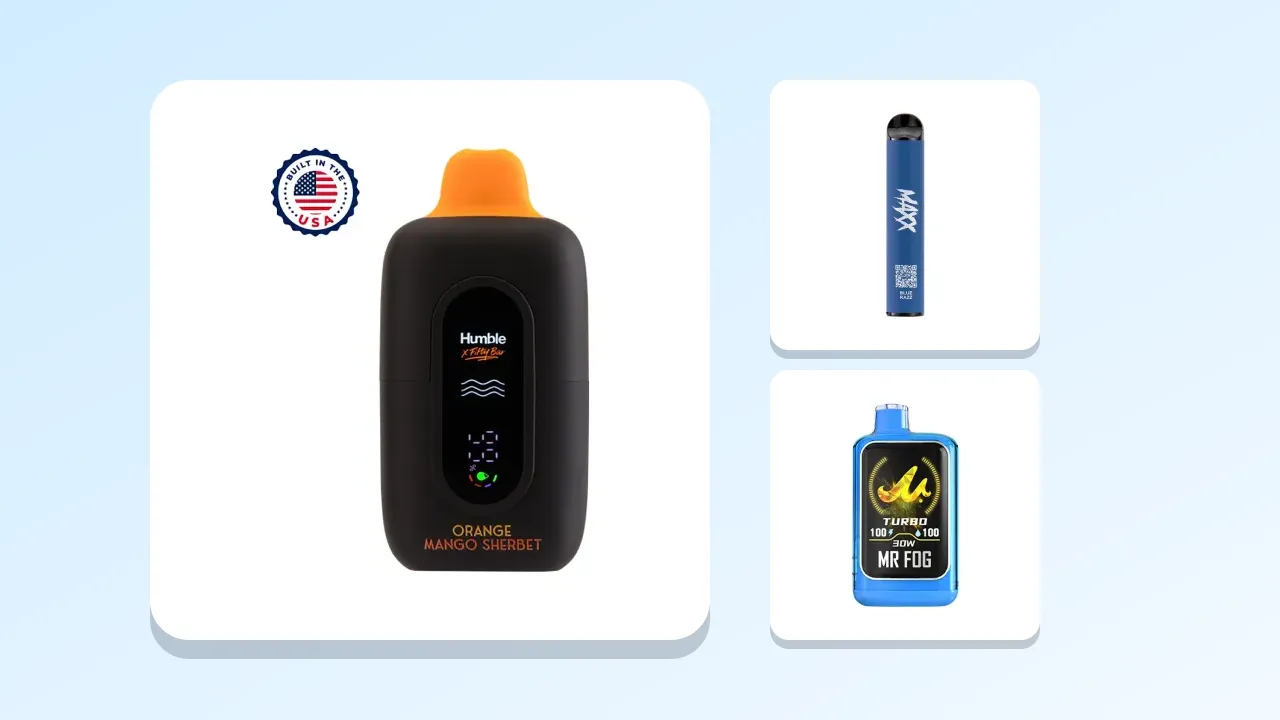
Disposable vapes look rugged, but they contain a lithium battery, liquid, a coil and electronics, and all four are sensitive to how the device is kept. A disposable that spends a summer in a car, or a few months in a drawer next to keys and coins, can lose battery capacity, leak, taste off or fail to fire. Storage also matters for responsibility: finished and unfinished devices must be kept away from children and pets. This guide explains how to store disposables before and after opening, how to keep them in a pocket or a bag, how to store spares and bulk purchases, how temperature, humidity and orientation matter, how to check devices over time, what to do with finished devices and how to build a storage routine. It is written for adults aged 21 and over. Nicotine is addictive, and nothing here is medical advice.
Why storage matters
A disposable is a sealed system, and you cannot fix it if it is damaged. Heat degrades batteries and thins liquid, so it can leak. Cold slows batteries and thickens liquid. Moisture can reach the charging port and electronics. Pressure and impacts can crack the body or loosen seals. Good storage keeps the device in the condition in which it was made, so that the last puff tastes as good as the first. See lithium battery care basics.
Keep it cool and dry
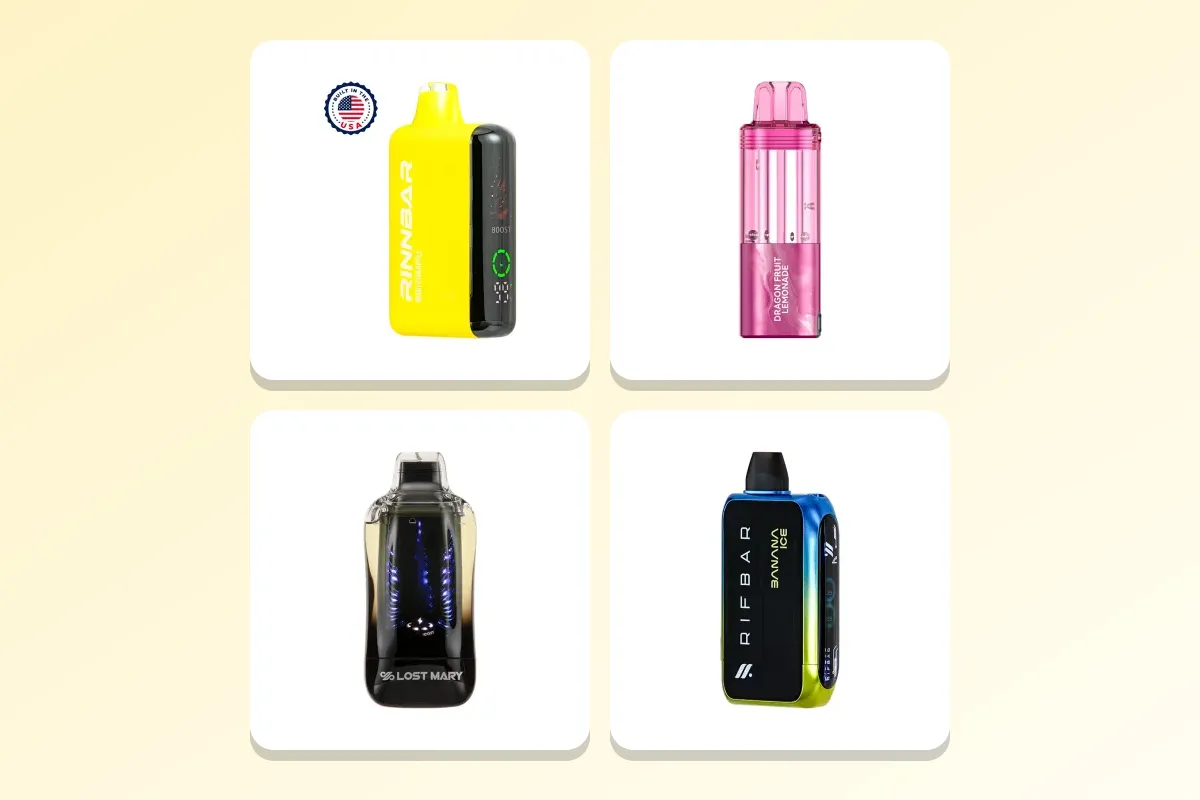
Store disposables at room temperature, away from heat sources and direct sunlight. Avoid hot cars, windowsills, shelves above radiators and bags left in the sun. A drawer or a cupboard in a cool room is ideal. Avoid damp places, such as bathrooms and basements, where humidity can reach the charging port. If a device has been very cold, let it reach room temperature before using or charging it.
Keep it upright
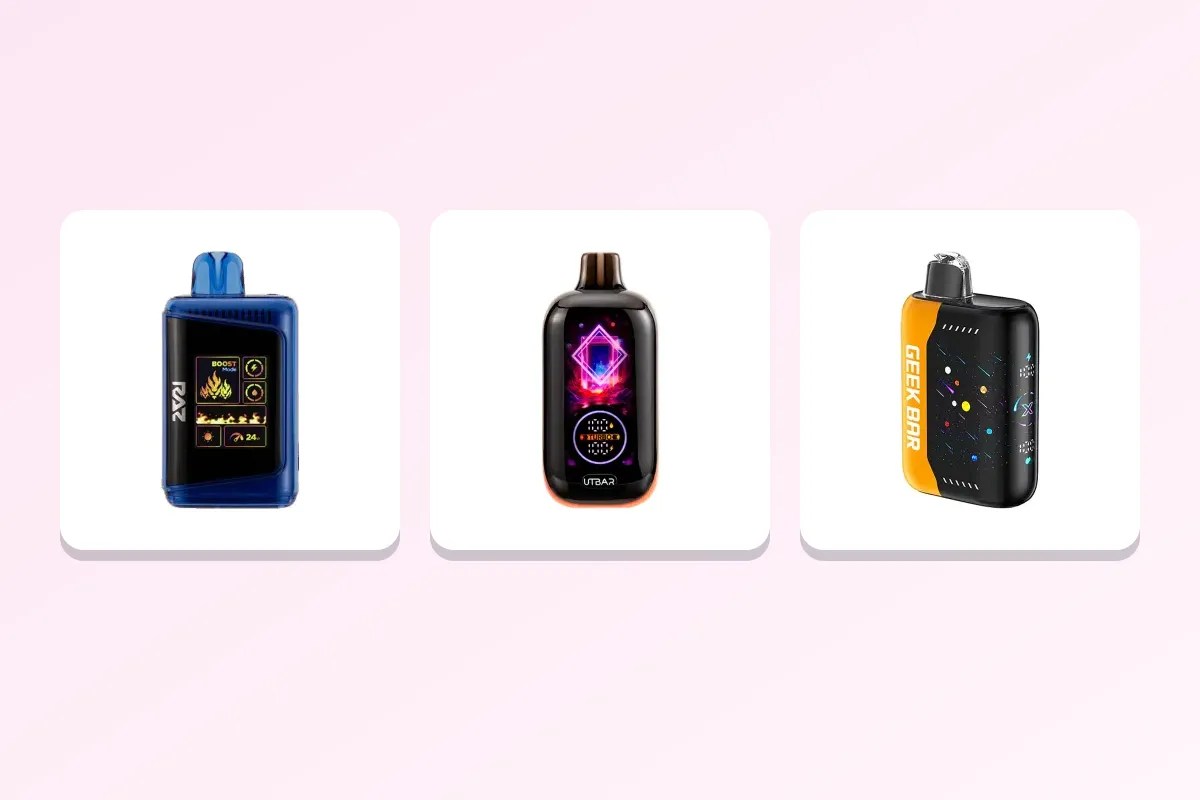
Store devices upright, mouthpiece up, so that liquid stays away from the mouthpiece and the airflow. Lying a device on its side can let liquid pool and leak or gurgle. In a bag, use a case or a pocket where the device stays upright, if possible. At home, a small cup or a box with dividers works well.
Keep it separate from metal
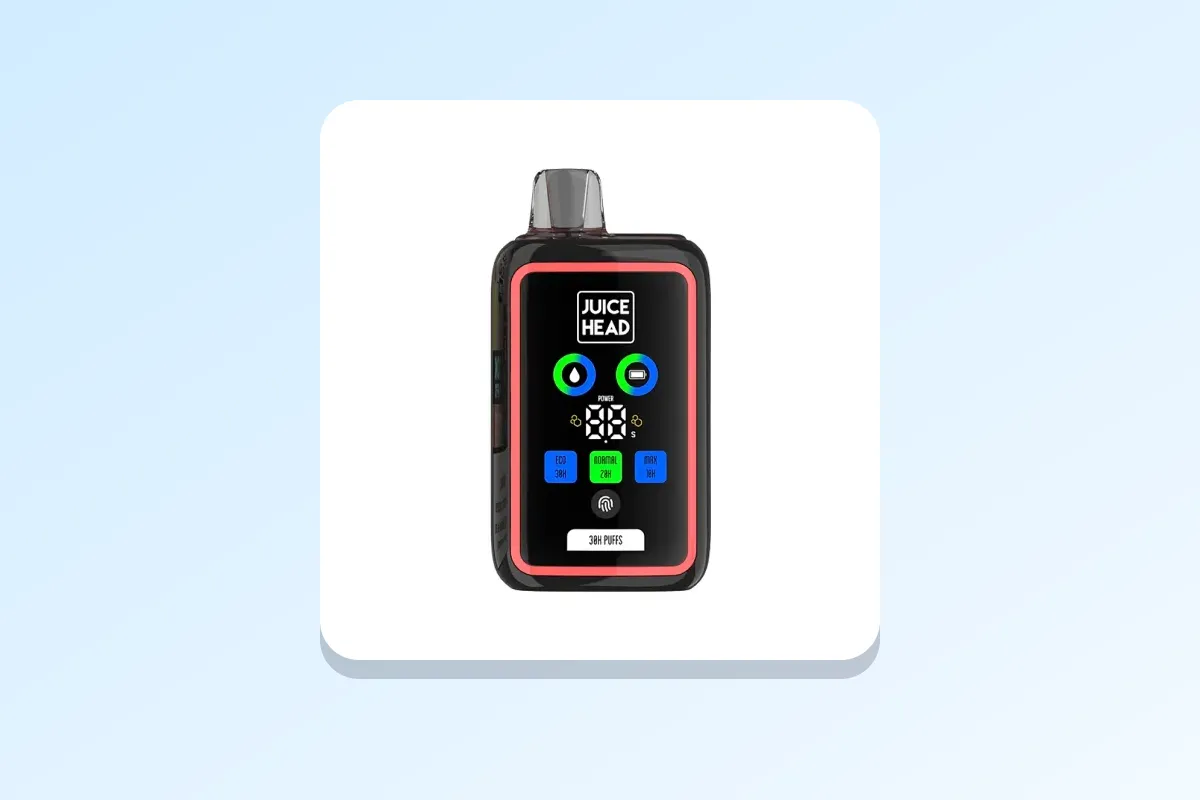
Do not store devices loose with coins, keys or other metal objects. They can press the button or touch the charging port, and in rare cases short the battery. Use a case, a pouch or a separate pocket. If you carry a device in your pocket, keep it away from sharp objects that could puncture the body.
Before opening
Unopened devices keep best in their original packaging, which protects them from knocks and moisture. Store spares sealed, in a cool cupboard, away from children and pets. Check the box for a best-by date, where it is shown, and use older devices first. Do not stack heavy items on top of boxes.
After opening
Once you start using a device, keep it upright and clean. Wipe the mouthpiece if it gets sticky, and keep the charging port free of lint. Charge it sensibly, as explained in how to charge a disposable, and do not leave it charging unattended. If you will not use it for a while, store it partly charged, in a cool place.
Storing spares and bulk purchases
If you buy several devices, keep the extras sealed in a cool cupboard, and label them with the date. Rotate stock: use the oldest first, and put new ones at the back. Do not buy more than you will use within a reasonable time, because batteries and liquid age. See bulk buying tips. Keep stock where children and pets cannot reach it, preferably in a lockable box.
Pockets and bags
In a pocket, a device is exposed to body heat, which is fine, and to knocks, which are not. Use a case if you can. In a bag, keep it in its own pocket or pouch. Do not leave a bag with devices in a hot car, on a beach or in the sun. When you travel, devices must go in carry-on baggage; see traveling with vapes.
Checking devices over time
Every few weeks, look at devices you are storing. Check for dents, swelling, leaks and stains. If a device is swollen, hot to touch or leaking, do not use it, and take it for recycling. Check dates, and use the oldest. A quick look takes seconds and can catch a problem early.
Temperature extremes
A device left in a freezing place may not fire until it warms. A device left in a very hot place may leak or lose battery capacity permanently. If a device has been exposed to extremes, let it return to room temperature, check it over and test it gently. If it behaves oddly, stop using it.
What to do with finished devices
Finished devices still contain a lithium battery and nicotine residue. Keep them out of reach of children and pets until you can take them to a hazardous waste or electronics recycling site. Do not put them in household trash. Tape over exposed terminals if the device is damaged, and keep it in a sealed bag. See how to dispose of vapes and batteries.
A worked example
You buy a 5-pack of disposables. You keep four sealed in their boxes in a cupboard away from the stove, with the date on each. You carry one in a small case in your bag, upright. You charge it every few days on a hard surface, while you are nearby. When it is finished, you put it in a lidded container on a high shelf, and take it to a recycling site at the end of the month. Nothing is left lying around, nothing overheats and each device tastes right to the end.
Common mistakes
- Leaving devices in a hot car.
- Storing them loose with keys.
- Lying them on their sides for long periods.
- Leaving finished devices in a drawer.
- Storing devices where children or pets can reach them.
- Buying more than you can use before they age.
Frequently asked questions in depth
How long can I store an unopened disposable?
Check the box for a date. Stored cool and dry, many keep well for months, but batteries and liquid age, so use them within a reasonable time.
Should I store them charged or flat?
Rechargeable devices are best kept partly charged. Non-rechargeable devices are sealed and cannot be charged.
Can I store a disposable in the fridge?
It is not needed. A cool cupboard is enough, and a cold device may behave oddly until it warms.
What if a stored device leaks?
Wipe it, keep it upright and do not use it. Contact us if it is new. See leaking causes and fixes.
Is it fine to leave a device on a desk?
Away from sun and heat, upright and out of reach of children and pets, yes.
Shop
Browse disposable vapes. All products are for adults aged 21 and over, and nicotine is addictive.
Storing for travel versus for home
At home, a cool cupboard or a drawer with dividers is ideal. For travel, a small case or a pouch keeps a device upright and away from keys. Do not leave a device in a travel bag in a hot car or in direct sun. At your destination, keep devices in a cool place, away from children and pets, especially in hotel rooms and rental homes where others may enter.
Storing for the long term
If you will not use a device for a long time, store it sealed, in a cool, dry place, partly charged if it is rechargeable. Check it every month or two. A device that has been stored for a year may have lost battery capacity or flavor, and it is better to buy fresh stock than to rely on old devices.
Storing around other products
Keep devices away from liquids, cleaning products and foods. Do not store them in a medicine cabinet, where they can be confused with other items. Keep them away from heat sources and electronics that give off heat, such as chargers and routers. A dedicated box or drawer keeps everything tidy and avoids accidents.
Household rules
If you share a home, agree where devices are kept, and who is responsible. Everyone should know that they are for adults only, and must be kept out of reach of children and pets. A lockable box is a simple solution. Remind visitors not to leave devices lying around. If you find a device somewhere unexpected, return it to storage at once.
Frequently asked questions about storage
Can I stack boxes of disposables?
Lightly, yes. Do not put heavy items on top, because pressure can damage devices.
Is it fine to store a disposable in a drawer with other electronics?
Away from heat and metal, yes. Keep it separate from chargers that warm up.
Do devices lose charge when stored?
Batteries lose a little charge over time, even when idle. A long-stored rechargeable device may need a charge before use.
Should I check expiry dates?
Where a date is printed, yes. Use older devices first.
Frequently asked questions
How should I store disposable vapes?
Cool, dry and upright, away from heat, sunlight, moisture, children and pets, and separate from metal objects.
Should I keep spares in their boxes?
Yes. Store spares sealed in their original packaging in a cool cupboard, with the date written on them.
Can I leave a device in my car?
No. Heat can cause leaks and permanently reduce battery capacity.
How do I check stored devices?
Look for dents, swelling, leaks and stains every few weeks, and use the oldest first.
What do I do with finished devices?
Keep them out of reach and take them to a hazardous waste or electronics recycling site. Do not put them in household trash.
Is it fine to carry a device in my pocket?
Yes, preferably in a case and away from keys, coins and sharp objects.
Vaping products contain nicotine. Nicotine is an addictive chemical. You must be 21+ to purchase. Not for use by pregnant women or people with health conditions. This article is general information for adults, not medical or legal advice. Product laws differ by state and city — check the rules where you live before you buy.
Shop related products
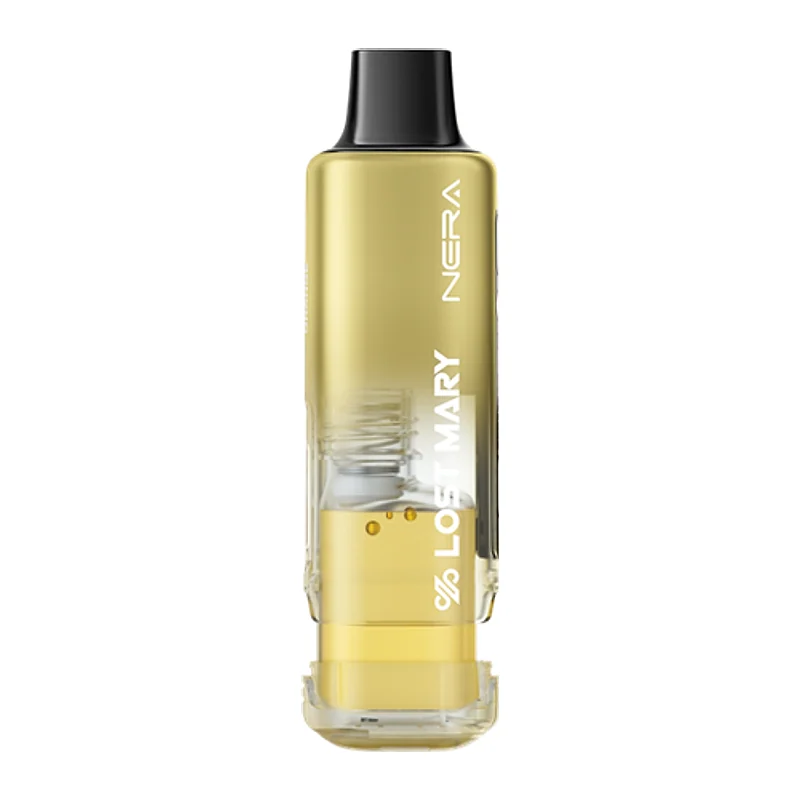
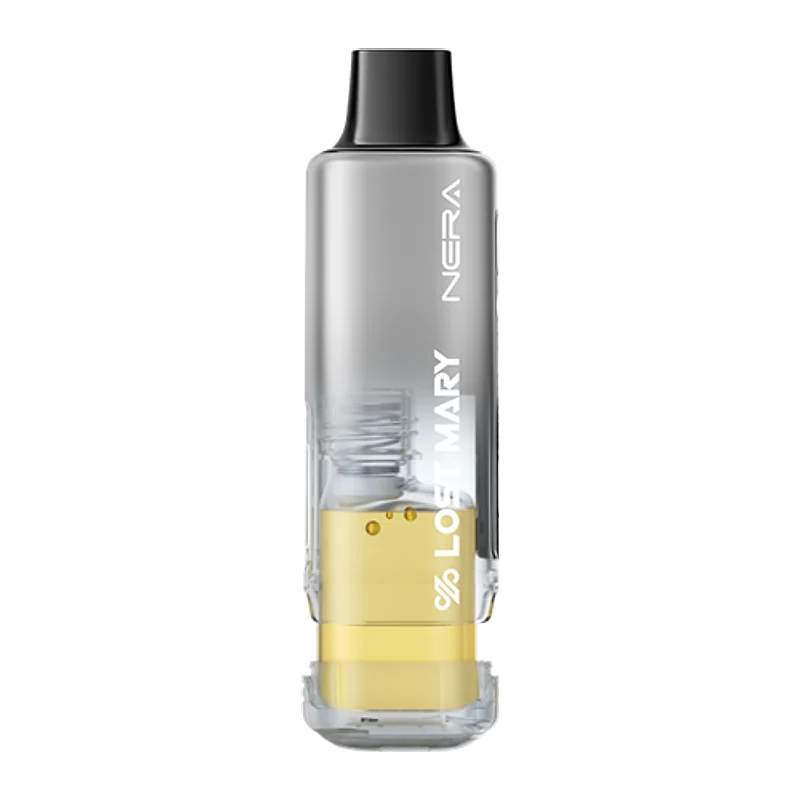
Watermelon Fcuking Fab LOST MARY Nera Fullview Disposable 2pk
$13.99 - $64.99
50mg (5%)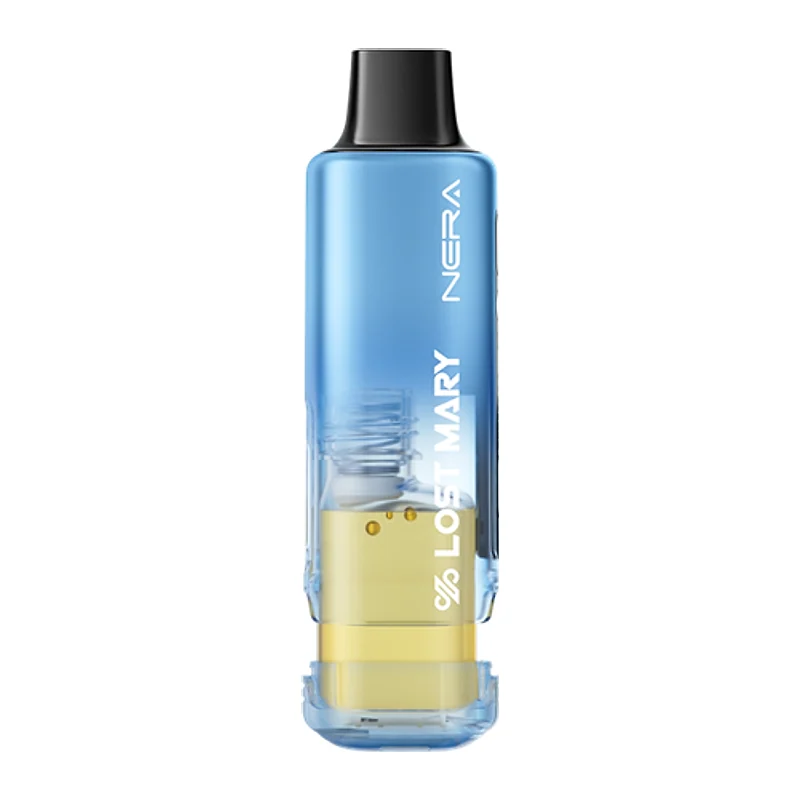
Keep reading
How to Store E-Liquid: Heat, Light and Child Safety
Proper storage keeps flavor fresh and keeps liquid away from children and pets. Follow these simple rules.
How to Store Nicotine Pouches: Freshness and Child Safety
Storing pouches correctly keeps them fresh and out of the wrong hands. Here are practical tips for cans and bulk stock.
How to Clean a Vape Device: Tanks, Pods and Contacts
Regular cleaning improves flavor and prevents leaks and poor connections. Here is a simple routine for tanks, pods and electrical contacts.