
How Does a Vape Work? Battery, Coil, Wick and Liquid
A vape is a battery that heats a coil to turn liquid into vapor. Here is how each part works together in plain language.
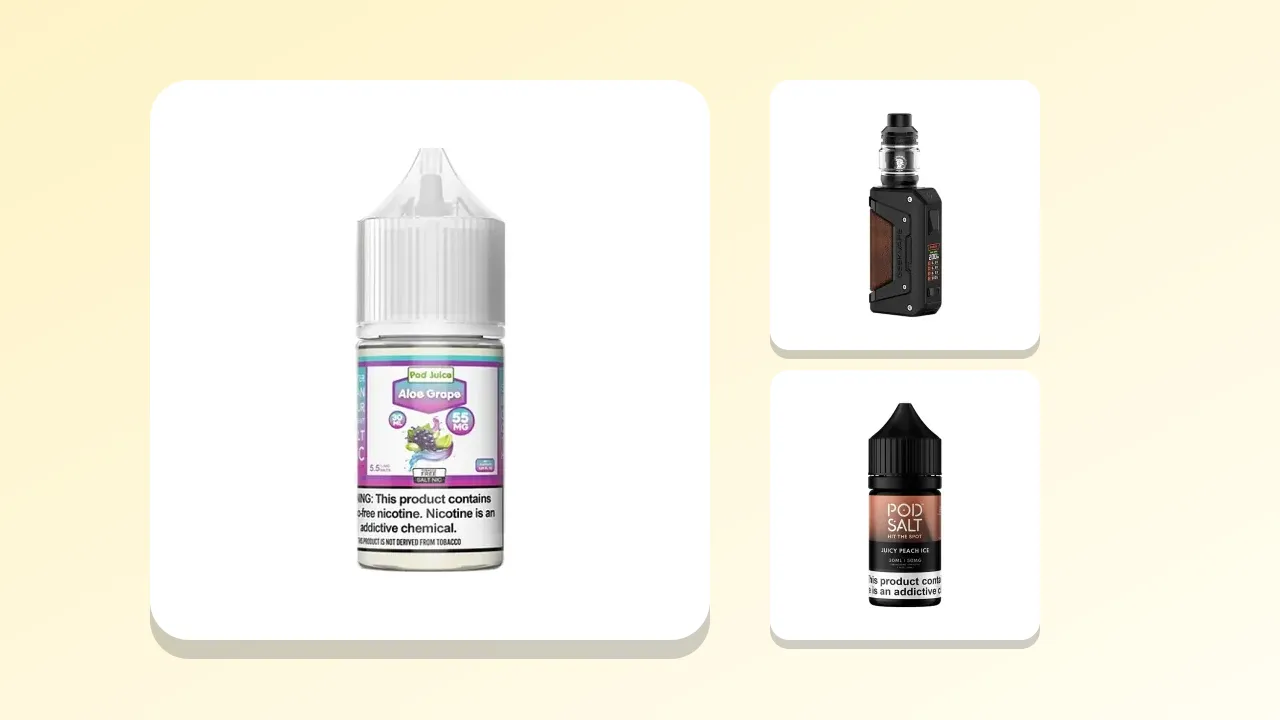
Every vape, from a tiny disposable to a large box mod, works on the same basic principle: a battery powers a small heater that turns liquid into an inhalable vapor. Once you understand that chain of events, everything else about vaping starts to make sense, including why different devices feel different, why some liquids suit some hardware, why a coil wears out and why a device that is not looked after can taste burnt or leak. This guide explains the four key parts, what happens in the second after you inhale, why liquid and airflow must balance, how the main types of device differ, how nicotine and flavor fit in, what goes wrong and how to look after a device. It is written for adults aged 21 and over. Nicotine is addictive, and nothing here is medical advice.
The four key parts
- Battery: stores energy and supplies power to the heater. In most devices it is a rechargeable lithium-ion cell.
- Coil: a small heating element, made from wire or mesh. When electric current passes through it, it heats up.
- Wick: usually cotton or another absorbent material that soaks up liquid and holds it against the coil.
- E-liquid: a mixture of propylene glycol, vegetable glycerin, flavoring and usually nicotine. It is the substance that becomes vapor.
Around those four parts sit a mouthpiece, an airflow path and some electronics that control the power. A small circuit board switches the coil on and off, and in many devices it includes protections against short circuits, overheating and low battery.
What happens when you inhale
When you draw on the mouthpiece, an airflow sensor detects the change in pressure and sends power to the coil, or you press a button to do the same. The coil heats up in a fraction of a second. The liquid in the wick that touches the coil reaches a temperature at which it turns from liquid into vapor, which is a mixture of tiny droplets and gas. Air flows past the coil, carries the vapor through the mouthpiece and into your mouth. When you stop drawing, the sensor releases the circuit, the coil cools and the wick starts to refill with liquid from the reservoir.
That whole cycle takes a few seconds, and it repeats with every puff. The speed of each step is what makes vaping feel immediate: unlike older heating methods, a small coil can reach working temperature almost instantly, because there is very little material to heat.
Auto-draw and button-fire
Devices fire in one of two ways. Auto-draw devices have a sensor that starts the coil when you inhale, so there is nothing to press. Button-fire devices heat the coil only while you hold a button. Auto-draw is simpler and is standard on disposables and most pods, while button-fire gives you more control and is common on box mods. See auto-draw vs button-fire vapes.
Why liquid and airflow must balance
A vape works well only when three things stay in balance: power, liquid supply and airflow. If the wick is dry, the coil can scorch the cotton and taste burnt, because there is no liquid to carry the heat away. If there is too much liquid, it can flood the coil and gurgle or leak. If the airflow is too tight, vapor builds up and the draw feels hot. If it is too loose, the vapor is thin and the flavor weak. Each device is designed around a particular balance, which is why using the recommended liquid and power matters. See fixing a gurgling vape and why a vape tastes burnt.
Device types
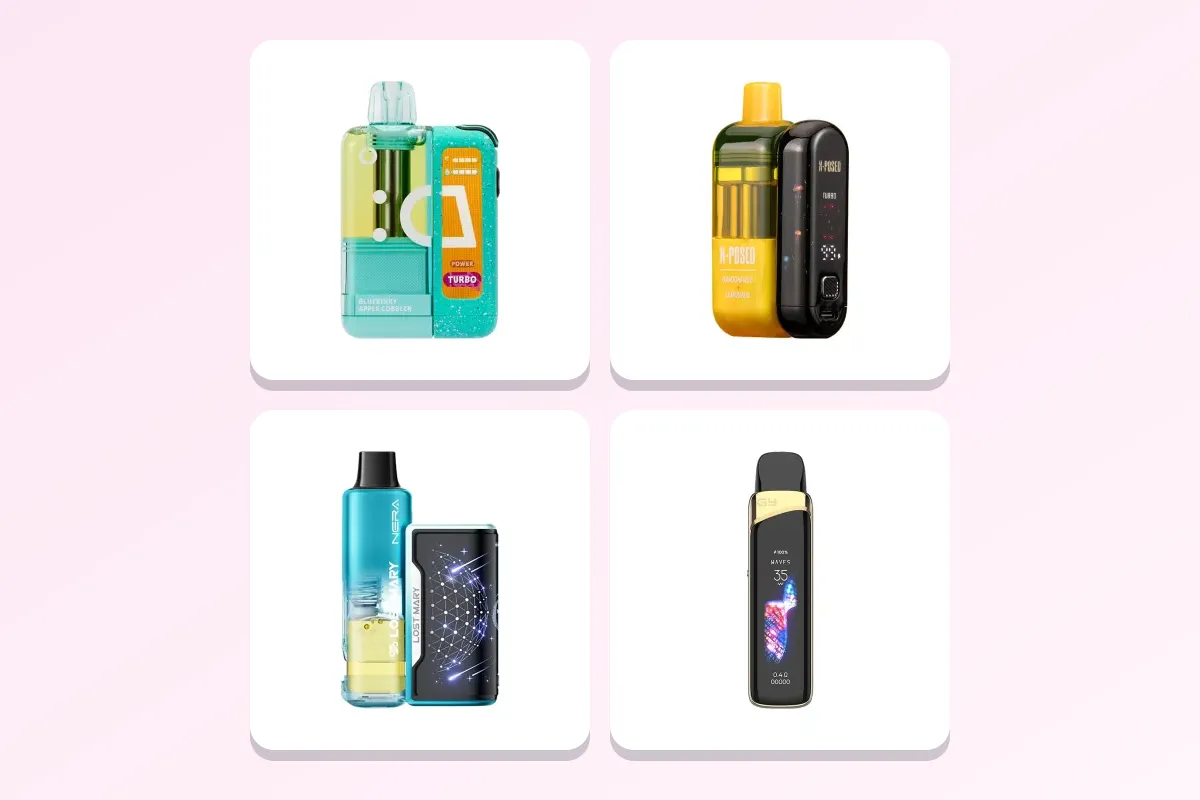
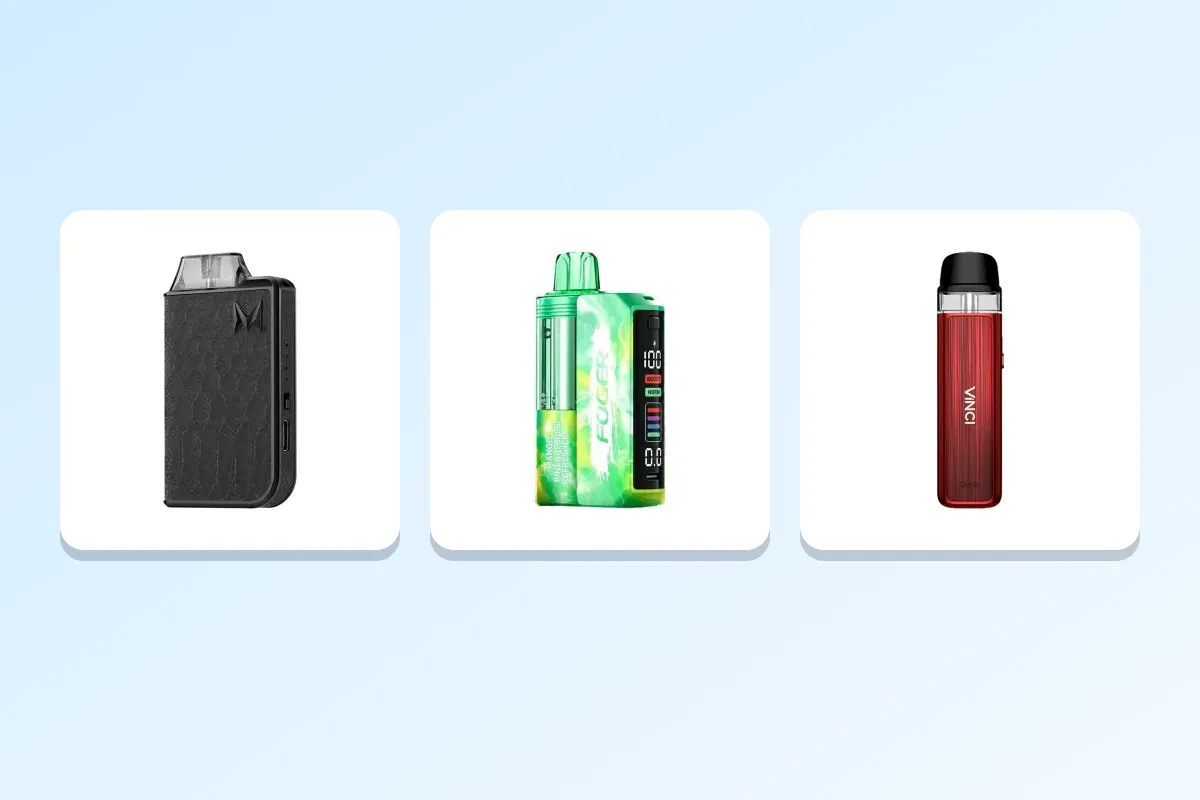
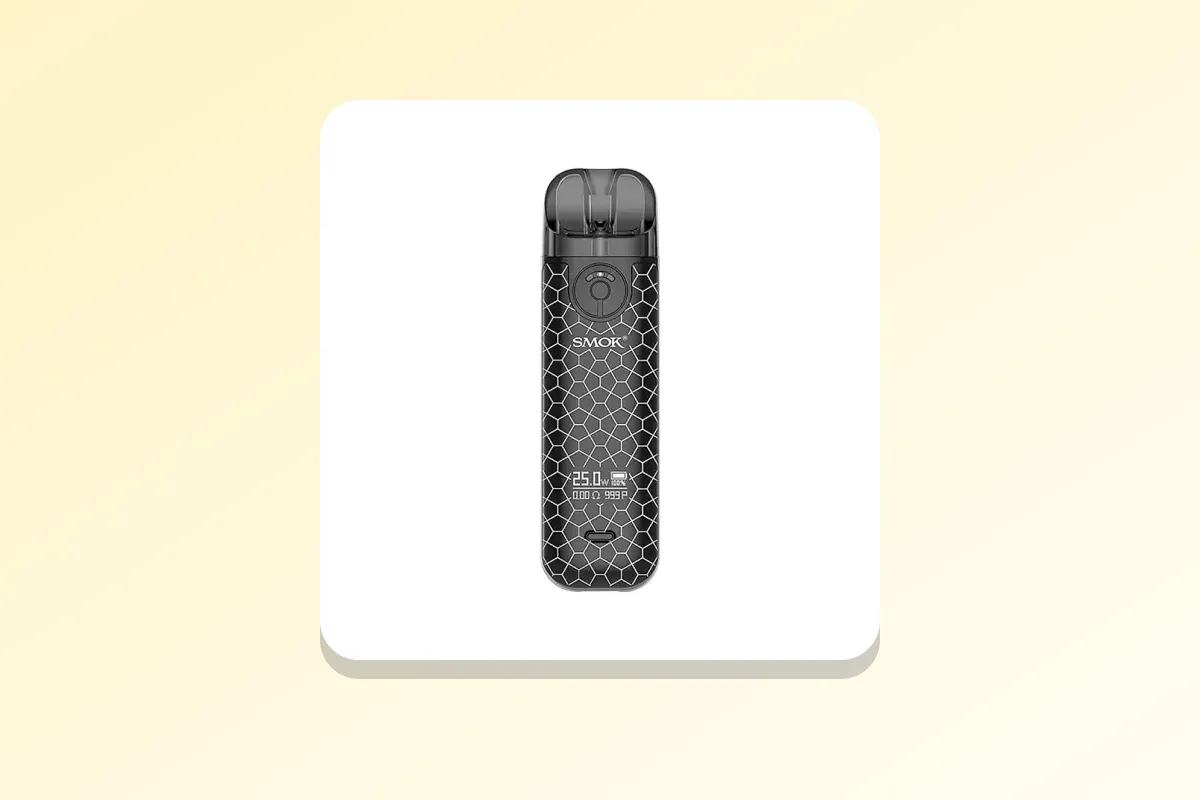
Disposables are sealed units that come pre-filled and pre-charged and are replaced when finished. Pods have a replaceable pod that holds liquid and often the coil, which clicks into a rechargeable battery. Box mods and tank systems use a refillable tank with replaceable coils and a larger battery with adjustable power. Each type makes different trade-offs between simplicity, control and cost. Compare them in disposable vs pod vs box mod.
How the types differ in practice
- Disposable: nothing to fill or charge in many cases, a fixed flavor and a fixed lifespan.
- Pod system: a reusable battery with swappable pods, so you can change flavors without changing devices.
- Tank and mod: the most control over power, airflow and liquid, and the most maintenance.
Nicotine and flavor
Nicotine strength and type are set by the liquid, while flavor comes from the recipe. In a disposable, both are chosen by the maker. In a refillable device, you choose them with your bottle. Nicotine salts and freebase behave differently, and the ratio of PG to VG changes how the vapor feels and how well it wicks. Learn about PG and VG and nicotine salts vs freebase.
What controls how a puff feels
Several things shape the experience, and you can adjust some of them:
- Power: more power means more heat and more vapor.
- Coil resistance and type: lower resistance draws more current. Mesh coils heat more evenly.
- Airflow: tighter airflow feels like a cigarette draw, and open airflow feels like a larger breath.
- Liquid: thickness, flavor and strength.
- How you draw: a slow, gentle draw gives a different result from a fast one.
Wear and tear
A coil is the part that wears out first. Over time, residue from liquid builds up on it, and flavor fades or a burnt taste appears. That is normal, and it is the reason pods and coils are sold as replaceable parts. Batteries wear too, losing capacity after many charge cycles. See how often to replace coils and lithium battery care basics.
Common problems and what they mean
- Weak vapor or flavor: a worn coil, low battery, empty liquid or blocked airflow.
- Burnt taste: a dry wick, too much power or a worn coil.
- Gurgling or leaking: too much liquid in the coil chamber or a poor seal.
- Does not fire: a dead battery, a loose connection or a blocked sensor.
Our guides on why a vape is not hitting and troubleshooting a vape that will not charge walk through fixes.
Looking after a device
Keep it clean and dry, charge it with a suitable charger, store it upright at room temperature and replace pods and coils when flavor fades. Do not open or modify sealed devices. Dispose of finished devices at a hazardous waste or electronics recycling site; see how to dispose of vapes and batteries.
Frequently asked questions in depth
Is vapor the same as smoke?
No. Vapor is produced by heating liquid, not by burning plant material. This article describes how devices work and makes no comparison of health effects.
Why do different devices feel so different?
Because power, coil, airflow and liquid all differ. A small pod and a large tank can use the same liquid and still feel very different.
Can I use any liquid in any device?
No. Match the nicotine type and the PG/VG ratio to the hardware, as the manufacturer recommends.
Why does a new coil taste different?
A new coil needs a few minutes to soak and a few puffs to settle. Priming it correctly avoids a harsh first taste. See how to prime a new coil or pod.
What is the difference between wattage and voltage?
Voltage is the electrical pressure and wattage is the power delivered to the coil. See ohms, watts and volts.
Next steps
See vape kits for starter hardware and the first vape kit guide for how to choose. All products are for adults aged 21 and over, and nicotine is addictive.
A second-by-second walkthrough of one puff
Second zero: the device is idle. The battery holds its charge, the coil is cool and the wick is saturated with liquid. Second one: you draw. Air rushes in through the intake, and the sensor notices the drop in pressure. The circuit closes, and current flows through the coil. A fraction of a second later, the coil is hot. Second two: the liquid in the wick turns into vapor, and the airflow carries it through the channel to the mouthpiece. You inhale. Second three: you stop. The sensor releases, the coil cools within moments and capillary action pulls fresh liquid from the reservoir into the wick. The device is ready for the next puff. The cycle is simple, but every part of it must work for the result to feel right.
Why disposables, pods and tanks feel different
The same physical principle runs through all of them, but the engineering choices differ. A disposable is tuned at the factory: the coil, the airflow, the liquid and the battery are matched, and nothing can be changed. A pod device lets you swap the liquid and the pod, so you can change flavor, but the power is usually fixed. A tank and mod lets you change almost everything, including the coil, the power and the airflow, which gives control but also more ways to get it wrong. Which one suits you depends on whether you value simplicity or control.
What a good device does well
- Heats quickly and evenly, so the first puff is as good as the tenth.
- Wicks reliably, so the coil is never starved or flooded.
- Seals well, so it does not leak in a pocket or a bag.
- Manages the battery, with protections against overheating and short circuits.
- Is comfortable to use, with a mouthpiece and weight that suit you.
If you are choosing hardware, those are the qualities to look for. Product pages rarely say them outright, but reviews, specifications and the maker's reputation hint at them.
Common myths
- "More power is always better." Power must match the coil and the liquid. Too much burns the cotton.
- "A bigger battery means better flavor." Flavor comes from the coil, the liquid and the airflow, not from battery size.
- "All liquids work in all devices." The nicotine type and the PG/VG ratio must suit the hardware.
- "A burnt taste means the liquid is bad." It is usually a coil, wick or power problem.
Frequently asked questions
How does a vape work in one sentence?
A battery powers a small coil that heats liquid held in a wick until it turns into vapor, which you inhale through the mouthpiece.
What are the main parts?
A battery, a coil, a wick and e-liquid, plus a mouthpiece, airflow path and a circuit that controls the power.
What is the difference between auto-draw and button-fire?
Auto-draw starts the coil when you inhale. Button-fire heats the coil only while you hold a button.
Why does a vape taste burnt?
Usually a dry wick, too much power or a worn coil.
Why do coils wear out?
Residue from liquid builds up on the coil over time, which dulls flavor and can cause a burnt taste.
Can I use any e-liquid in any device?
No. Match the nicotine type and PG/VG ratio to the hardware's recommendations.
Vaping products contain nicotine. Nicotine is an addictive chemical. You must be 21+ to purchase. Not for use by pregnant women or people with health conditions. This article is general information for adults, not medical or legal advice. Product laws differ by state and city — check the rules where you live before you buy.
Shop related products
Keep reading
What Is a Crypto Network, and Why Does It Matter When You Pay?
The same coin can live on several blockchains. Learn what a network is and why choosing the right one decides whether your payment arrives.
A Short History of Vaping: From Early Patents to Pod Systems
Electronic cigarettes have evolved over decades, from early patents to cig-a-likes, tanks, box mods and today's pods and disposables.
What Is Throat Hit, and What Affects It?
Throat hit is the sensation vapor creates in your throat. See what increases or softens it, from nicotine type to PG ratio and temperature.