

A Short History of Vaping: From Early Patents to Pod Systems
Electronic cigarettes have evolved over decades, from early patents to cig-a-likes, tanks, box mods and today's pods and disposables.
Vaping looks like a recent invention, but the idea behind it is older than most people think, and the products on sale today are the result of several decades of experimentation, a few lucky breakthroughs and a lot of regulation. This timeline traces the main steps from early concepts to today's large-capacity disposables, with plain explanations of why each mattered, how the hardware changed, how the market and the rules developed and what it means for a buyer in 2026. It is a general overview, not a precise legal or scientific history, and some dates are approximate. It makes no health claims. It is written for adults aged 21 and over. Nicotine is addictive, and nothing here is medical advice.
Early ideas
The concept of inhaling vapor from a heated substance goes back a long way, through steam inhalers and herbal vaporizers. Patents for smokeless, battery-powered devices that heated a liquid appeared in the 1960s, though none reached the market as a successful product. These early ideas lacked small, powerful batteries and reliable heating elements, and the market was not ready.
The first modern e-cigarette
In the early 2000s, a Chinese pharmacist named Hon Lik is widely credited with developing the modern electronic cigarette, a small device that used a battery, an atomizer and a liquid cartridge. Products reached markets in China around 2004 and spread to Europe and the United States over the next few years. These first devices, often called "cigalikes", looked like cigarettes, had small batteries and gave modest performance.
Rechargeable pens and tanks
In the late 2000s and early 2010s, devices evolved. Larger rechargeable batteries, refillable tanks and replaceable coils arrived, in pen-shaped devices that users could refill with their own liquid. This opened the door to flavor choice and a do-it-yourself culture, with users modifying devices and sharing advice. The term "mod", short for modification, comes from this period. See what is a box mod.
Variable power and sub-ohm
Around the early-to-mid 2010s, adjustable power devices, box mods with removable batteries and low-resistance sub-ohm coils appeared. They allowed much larger vapor volumes and a different style of inhaling, direct-to-lung, as opposed to the mouth-to-lung style of earlier devices. See sub-ohm vs mouth-to-lung. Cloud-chasing competitions and a lively hobby scene grew around them.
Nicotine salts and pods
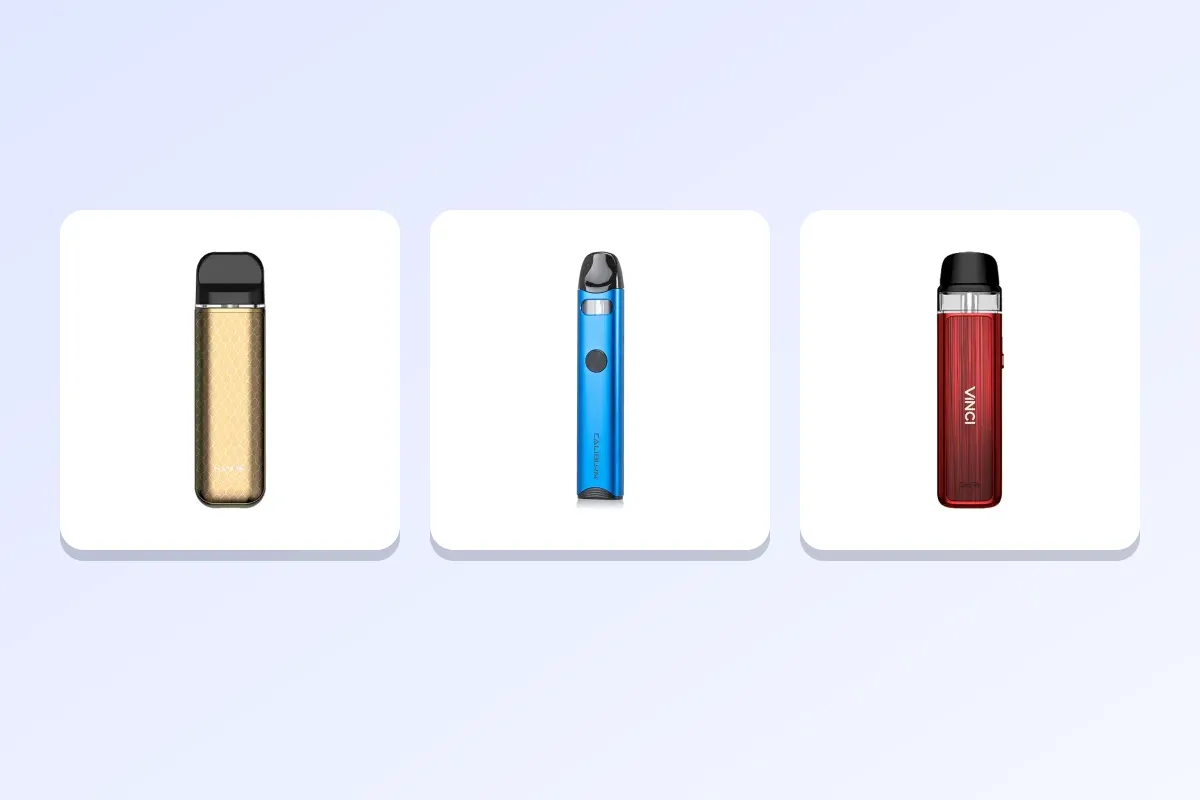
In the mid-2010s, a new generation of small pod devices and nicotine salt liquids arrived, aimed at simplicity and a smoother draw at higher strengths. Pod systems became hugely popular, with small, discreet devices, pre-filled or refillable pods and nicotine salts. They changed the market, and they drew the attention of regulators. See nicotine salts vs freebase and what is a pod vape.
Regulation tightens
In the United States, the FDA gained authority over e-cigarettes through a rule in 2016, and in the years that followed, premarket review requirements, flavor enforcement and age restrictions developed. In December 2019, the federal minimum age to buy tobacco products, including vapes, rose to 21. Many states and cities added their own rules on flavors, licensing and taxes. See the FDA and vaping products and state and local vape laws explained.
Disposables take off
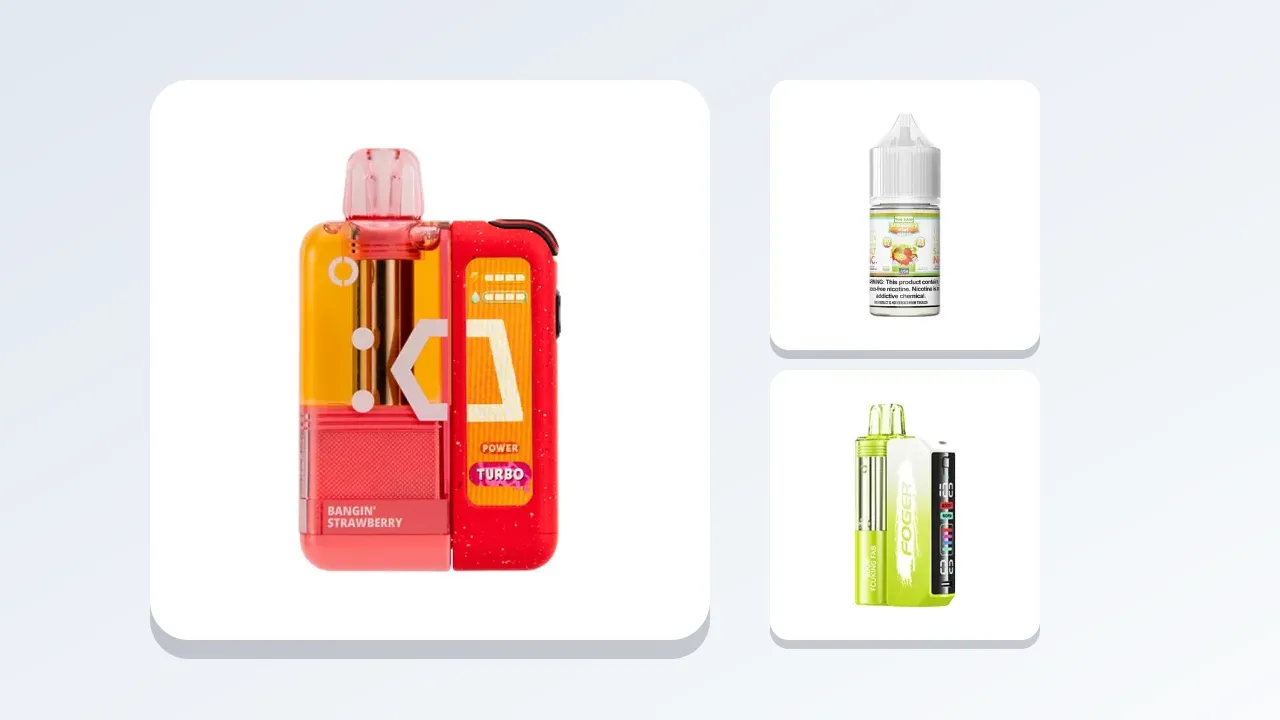
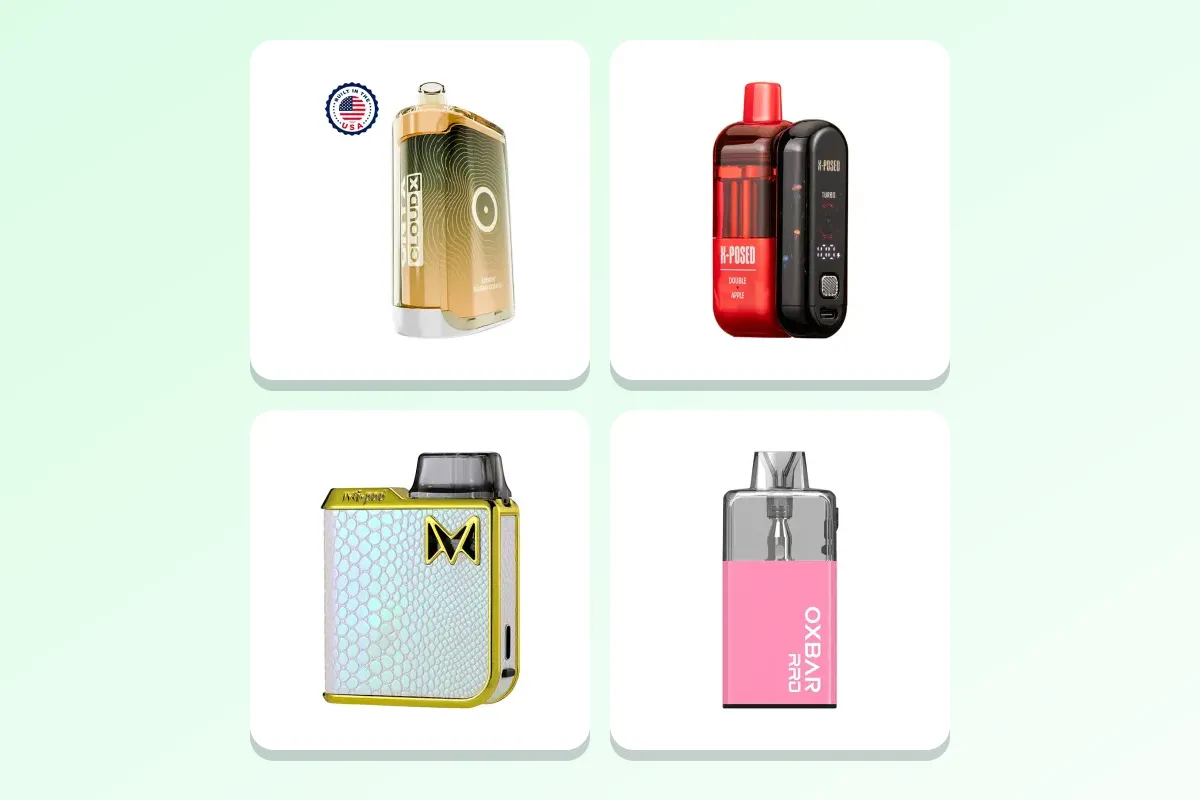
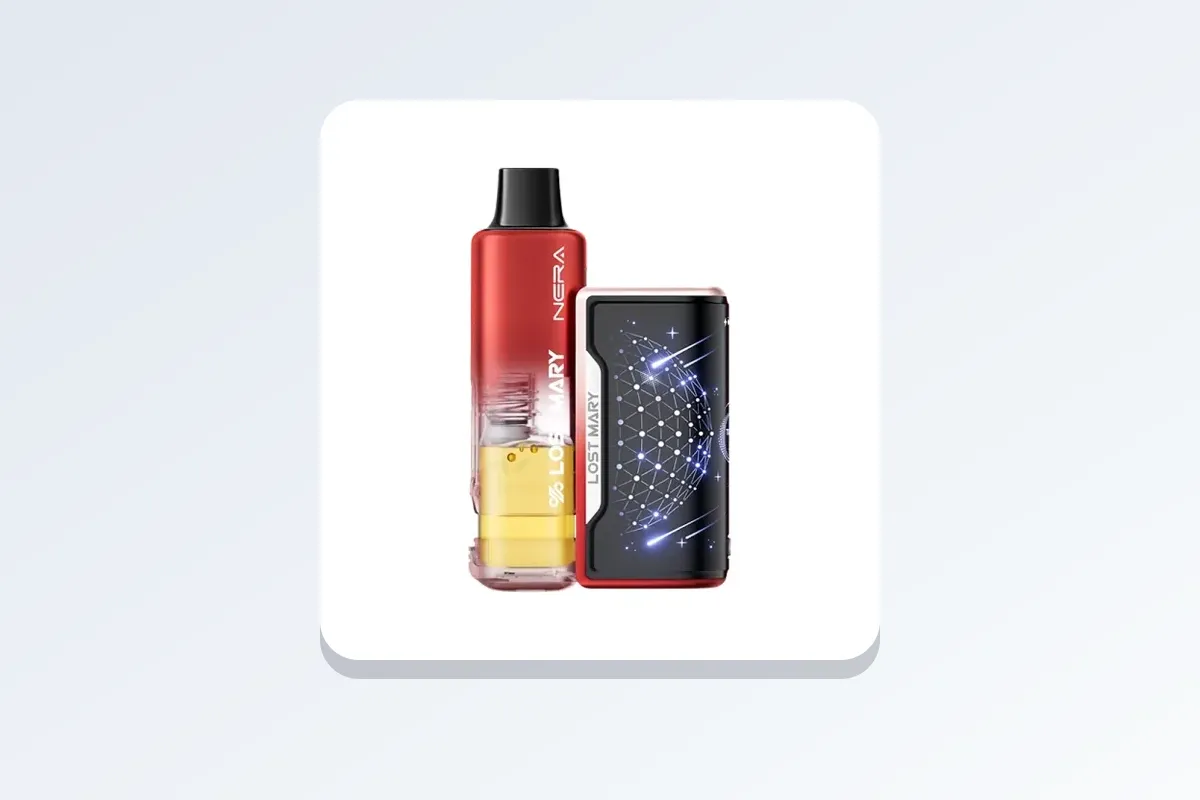
In the early 2020s, ready-to-use disposable vapes became the dominant format in the market. Early disposables offered a few hundred puffs, then thousands, then tens of thousands, with mesh coils, USB-C charging and screens. Large-capacity devices of 20,000, 50,000 and even 80,000 puffs now fill catalogs, including ours. See how to choose a disposable vape and puff counts explained.
Remote sales rules
In 2021, provisions of the PACT Act covering e-cigarettes and vaping products took effect, bringing remote sales under rules similar to those for cigarettes: adult signature on delivery, parcel labeling, tax and licensing obligations and limits on carriers. See the PACT Act explained and adult signature on delivery.
Pouches and alternatives
Alongside vapes, nicotine pouches grew rapidly, as a device-free option, and newer ingredients marketed as nicotine alternatives appeared in some products. See nicotine pouches for adult beginners and what is Nixodine. Rules for these products continue to develop.
What the history teaches a buyer
- Products change quickly. A device that was popular a few years ago may be hard to find now.
- Rules change too. What is allowed in one year may not be in the next.
- Marketing moves faster than standards. Terms like "mesh", "smart" and "ultra" are not regulated definitions.
- Simple formats win. Disposables and pods dominate because they are easy.
- Care and storage matter more than novelty. Batteries and liquid behave the same way in every era.
A simple timeline in words
- 1960s: early patents for smokeless devices, not widely sold.
- Early 2000s: the first modern e-cigarette reaches the market.
- Around 2010: refillable tanks and rechargeable pens.
- Mid 2010s: box mods, sub-ohm coils and pod systems with nicotine salts.
- 2016 and after: federal regulation develops in the United States.
- 2019: federal minimum age rises to 21.
- Early 2020s: large-capacity disposables dominate.
- 2021: PACT Act provisions apply to vapor products.
- Today: a mix of disposables, pods, mods, pouches and newer products.
Dates are approximate, and you should check official sources for exact details.
A worked example of how it affects you
Suppose you read about a device that was a hit five years ago, and you want to buy one. You find that the maker discontinued it, pods are scarce and a local rule has changed. A modern pod kit or a disposable would be easier to find and use. Knowing that the market moves quickly helps you avoid buying something that is hard to support.
Where we fit in
We sell disposables, liquids, kits, pods and pouches, and we follow the rules for remote sales: age checks, adult signature and parcel labeling. We make no health claims, and we update our catalog as products change. See about One Stop Vape Store.
Frequently asked questions in depth
Who invented the vape?
Hon Lik is widely credited with the modern e-cigarette in the early 2000s, but earlier concepts exist.
When did disposables become popular?
Largely in the early 2020s, as capacities and features grew.
Why did the minimum age change?
Federal law raised it to 21 in December 2019 for tobacco products, including vapes.
Will rules keep changing?
Likely. Check official sources and our policies.
Is the market getting simpler?
In some ways, yes: disposables and pods are easy. In others, more complex, with new ingredients and regulations.
Shop
Browse disposable vapes and vape kits. All products are for adults aged 21 and over, and nicotine is addictive.
Why the pace of change matters to buyers
Few consumer products have changed as quickly as vapes. A device sold five years ago may use a different charging connector, a different coil or a different pod format than one sold today. That has consequences for you as a buyer. Accessories and replacement parts for older devices become hard to find. Liquids formulated for older low-power devices may not suit newer ones. Flavors that were popular a few years ago may be restricted or discontinued. When you choose a device, consider how long the maker has supported its line, whether pods and coils are widely stocked and whether the device uses common standards such as USB-C charging and the 510 thread.
Standards that emerged
Despite the speed, a few standards settled. The 510 thread became the common connector for tanks on mods. USB-C replaced micro-USB for charging in most new devices. Nicotine strengths came to be labeled in mg/mL or in percent, which makes comparison possible. Warning statements about nicotine became standard on packaging. Batteries in removable-cell devices settled on the 18650 and 21700 sizes. These standards make it easier to mix and match parts, and to understand what you are buying.
What the timeline does not tell you
A timeline cannot say which product is right for you today. It also does not describe all the policy debates, scientific studies or market changes that have shaped the industry, and it makes no claims about health. If you want an authoritative view on regulation, look at official sources such as the FDA's tobacco pages and your state or local authority. If you want to know about health, speak to a healthcare professional. What a timeline can do is give context for why the market looks the way it does, and why careful reading of labels and policies matters.
How we use the history
Because rules and products change, we keep our catalog and our policies current. We verify age at checkout, require an adult signature on delivery and ship with the labeling that the law requires. We also update product pages as devices change, and we will tell you if a product is discontinued. See our shipping policy and PACT Act page for what applies to your order.
A short reading list
For a deeper look, search for the FDA's page on e-cigarettes, the text of the PACT Act and your state's tobacco and vapor laws. These are primary sources, and they are more reliable than summaries, including this one.
Frequently asked questions
Who is credited with the modern e-cigarette?
Hon Lik, a Chinese pharmacist, in the early 2000s, though earlier concepts existed.
When did pods and nicotine salts appear?
In the mid-2010s, bringing small, simple devices and a smoother draw at higher strengths.
When did the federal minimum age become 21?
December 2019, for tobacco products including vapes.
Why are disposables so common now?
They are ready to use, simple and now offer very large capacities, with mesh coils and USB-C charging.
When did PACT Act rules apply to vapes?
Provisions covering e-cigarettes and vaping products took effect in 2021.
Is this a precise history?
No. It is a general overview, and some dates are approximate. Check official sources for details.
Vaping products contain nicotine. Nicotine is an addictive chemical. You must be 21+ to purchase. Not for use by pregnant women or people with health conditions. This article is general information for adults, not medical or legal advice. Product laws differ by state and city — check the rules where you live before you buy.
Shop related products
Keep reading
What Is Throat Hit, and What Affects It?
Throat hit is the sensation vapor creates in your throat. See what increases or softens it, from nicotine type to PG ratio and temperature.
Ohms, Watts and Volts in Vaping: A Beginner's Explanation
Resistance, power and voltage control how a coil performs. This guide explains them without the math headache.
mAh, Puffs and Battery Life: How They Relate
A bigger battery does not always mean more puffs. See how mAh, power mode and coil design combine to decide how long a vape lasts.