

Rechargeable vs Non-Rechargeable Disposables Compared
Should you buy a disposable you can recharge? Compare battery life, weight, price and waste so you pick the right type.
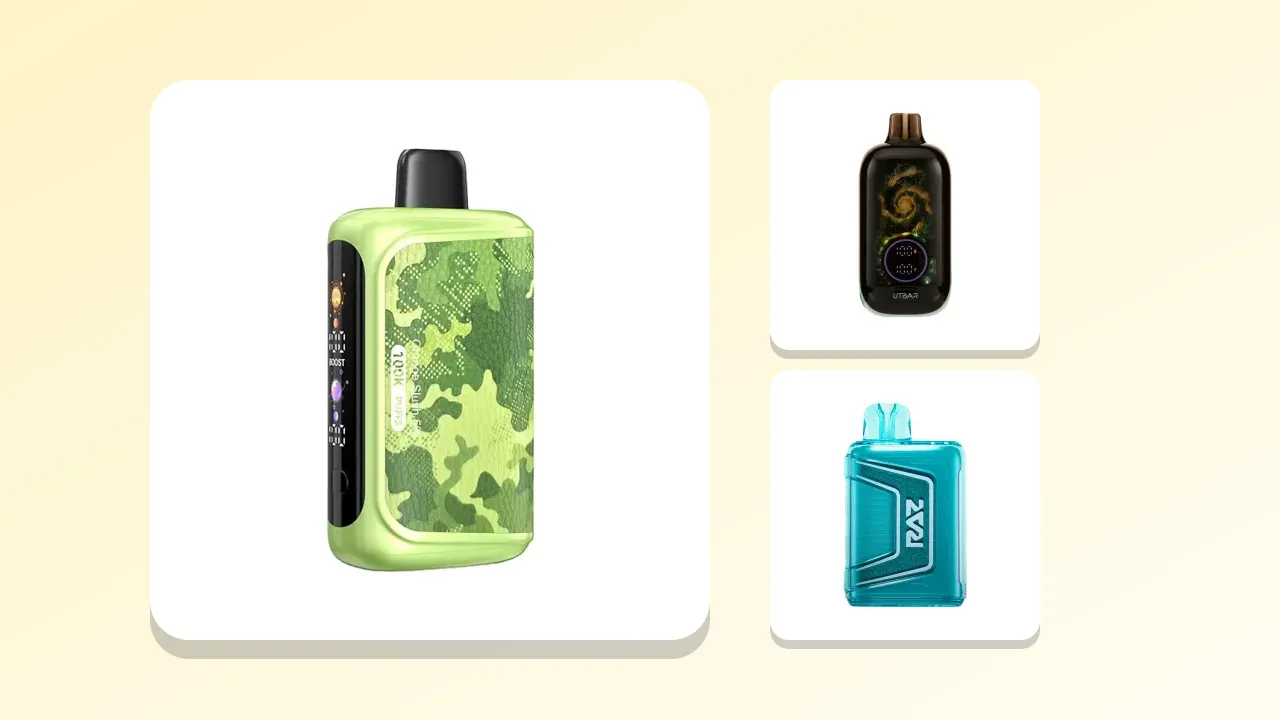
Not every disposable vape is truly single-charge. Many modern devices include a USB-C port, and that one detail changes how long you get out of the product, how much it weighs and what it costs. Understanding the difference helps you choose the right device for your use, avoid running out of battery before the liquid and charge a device the right way. This guide explains how each type works, compares them at a glance, shows how to tell which you are buying, gives worked examples, covers charging, care and disposal and answers common questions. It is written for adults aged 21 and over. Nicotine is addictive, and nothing here is medical advice.
How non-rechargeable devices work
A non-rechargeable disposable ships with a battery sized to last roughly as long as the liquid inside. They are small and light, and they need no cable, no charging and no thought. But if the battery drains early there is no fix, and a device can be finished with liquid still inside. They tend to be cheaper, and they suit small puff counts and occasional use. You use the device until it stops working, and then dispose of it.
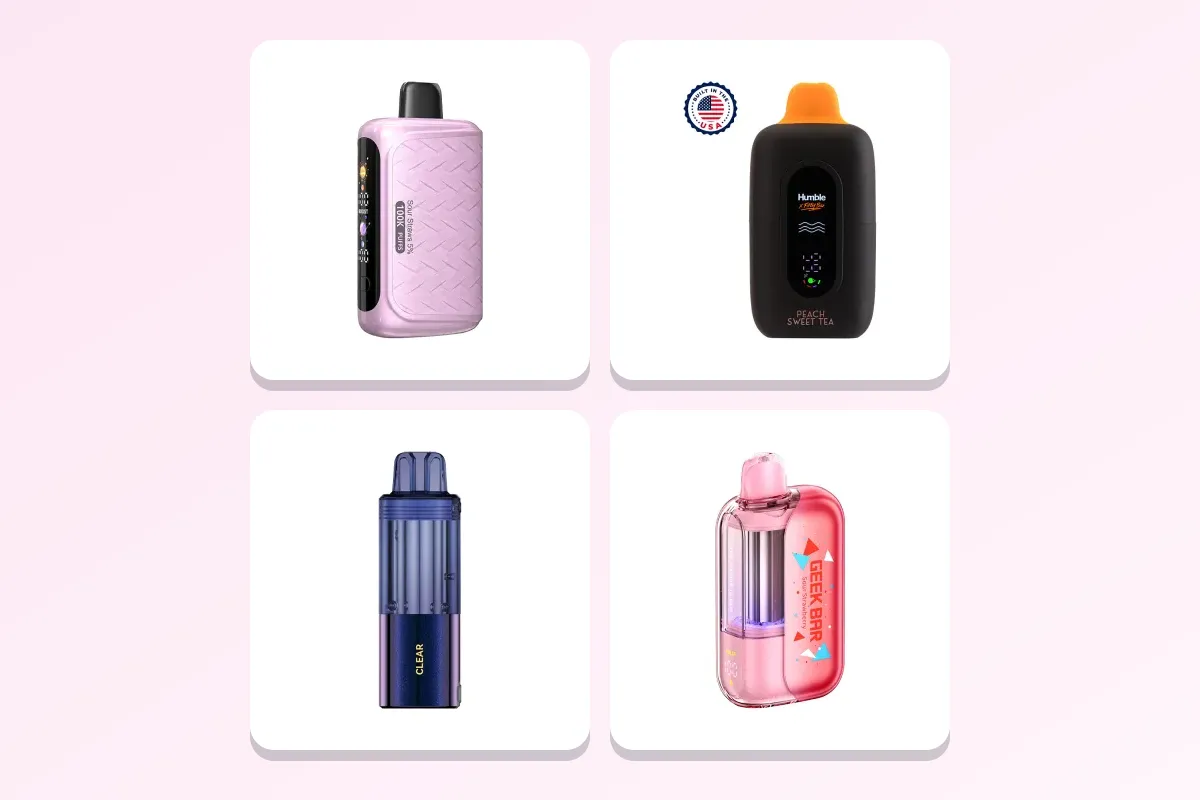
How rechargeable devices work
A rechargeable disposable has a larger battery and a charging port, usually USB-C. If the liquid outlasts the battery, you plug it in and carry on. That makes them suitable for heavy or daily use and for higher puff counts. Rechargeable devices generally deliver the full stated puff count, because the battery is no longer the limit. See how to charge a disposable.
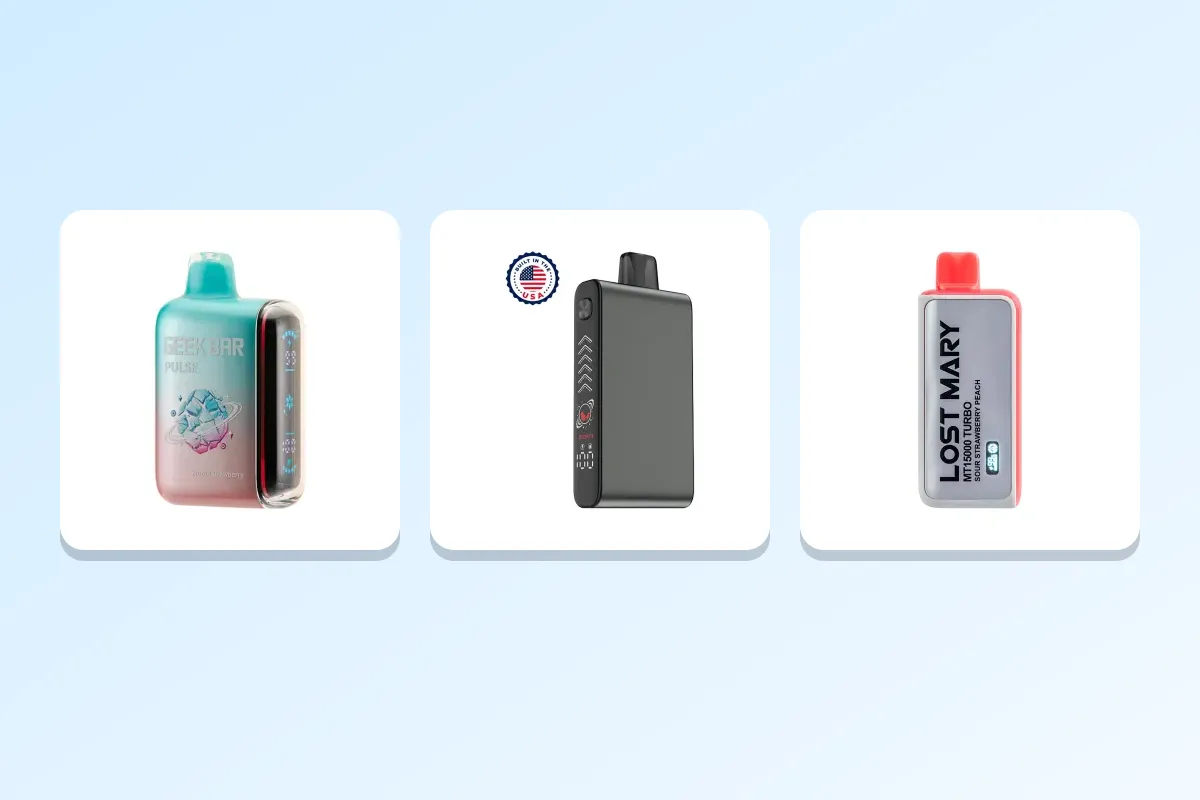
Compare at a glance
- Weight and size: non-rechargeable lighter and smaller.
- Cost: non-rechargeable cheaper up front.
- Life: rechargeable usually delivers the full stated puff count.
- Convenience: non-rechargeable needs no cable, rechargeable needs charging.
- Suitability: non-rechargeable for light use, rechargeable for regular use and large capacities.
- Waste: both contain a lithium battery that needs proper recycling.
Why capacity and charging go together
A device with 40,000 puffs needs a lot of energy. A sealed battery big enough to deliver that all at once would be bulky and expensive, so makers use a smaller battery and a charging port. That is why nearly all very large devices are rechargeable, and why non-rechargeable devices are mostly small. See mAh, puffs and battery life.
How to tell which you are buying
Product pages and packaging mention a Type-C or USB-C port when one is present. Look for it in the listing for any device in disposable vapes. Look for a port at the bottom of the device in photos. If the page is silent, ask support before you buy. Be cautious if a listing claims a very high puff count and shows no charging port, because the battery may be the limit.
A worked example
Suppose Device A is a 6,000-puff non-rechargeable device at $13.99 and Device B is a 25,000-puff rechargeable device at $17.99. If you take 250 puffs a day, Device A lasts about 24 days, and Device B about 100 days. Device A costs $0.58 a day, and Device B about $0.18. If Device A's battery runs out at puff 4,500 because of heavy draws, you lose a quarter of its life with nothing to be done. If Device B's battery runs flat, you charge it for 45 minutes and continue. For regular use, rechargeable is the clear choice.
When non-rechargeable makes sense
A small, non-rechargeable device suits trying a flavor, keeping a backup in a bag, traveling light for a short trip or using occasionally. You avoid cables and charging, and you accept that it will be finished at a certain point. If you tend to forget to charge, it can even be easier.
Charging a rechargeable device
Use a standard USB-C cable and a basic 5V adapter, charge on a hard surface, stay nearby and unplug when full. Do not leave it charging overnight, and do not use it while charging unless the manual says it supports it. See battery care basics and how to extend vape battery life. If it will not charge, see what to do when a vape will not charge.
Disposal
Never put a battery-containing device in household trash if local rules say otherwise. See our disposal guide. Take finished devices to a hazardous waste or electronics recycling site. Rechargeable devices last longer, so you dispose of fewer of them, which reduces waste.
Common mistakes
- Assuming every large device is rechargeable. Check for the port.
- Trying to charge a non-rechargeable device. Do not force a cable in.
- Charging unattended or overnight.
- Using a damaged cable or an unbranded charger.
- Throwing finished devices in the bin.
Frequently asked questions in depth
Can I charge any disposable?
Only if it has a charging port. Check the product page and the device.
Do rechargeable devices cost more?
Usually a little more up front, but less per puff.
How many times can I recharge one?
It depends on the battery and use. Many last through several charges, until the liquid is finished.
What if the liquid is gone but the battery has charge?
The device is finished. Recycle it. Do not try to refill it.
Is USB-C the same as Type-C?
Yes. Both names describe the same connector.
Shop
Browse disposable vapes. Our product pages list charging details where the maker provides them. All products are for adults aged 21 and over, and nicotine is addictive.
Understanding battery limits through examples
Example 1: the battery runs out first
A 10,000-puff non-rechargeable device is used heavily, with long draws. By 7,000 puffs the battery is spent, but liquid remains. The remaining 3,000 puffs are wasted. A rechargeable device would have been charged, and all 10,000 puffs used.
Example 2: the liquid runs out first
A rechargeable 30,000-puff device is charged regularly. After about 30,000 puffs, the liquid is finished, but the battery still holds charge. The device is done, and recycled. The battery was never the limit.
Example 3: the forgotten charge
A rechargeable device is left uncharged for weeks. When picked up, it will not fire. A short charge restores it. A non-rechargeable device left in a drawer for months may have lost charge on its own, and cannot be revived.
Costs over time
Non-rechargeable devices cost less each, but you replace them more often. Rechargeable devices cost a little more, but each lasts longer. For light users, the difference is small. For daily users, rechargeable is nearly always the better value. Divide the price by the puffs you will actually use, not the puffs on the box.
How to look after a rechargeable device
Charge it when it is low, with a standard cable and 5V adapter, on a hard surface, while you are nearby. Do not leave it charging overnight. Avoid heat. Do not use a damaged cable. If the device swells or gets hot, stop using it and recycle it. See lithium battery care basics and how to extend vape battery life.
A buying rule of thumb
Under about 8,000 puffs, non-rechargeable is fine. Over about 15,000 puffs, look for a charging port. In between, think about how fast you vape. If in doubt, choose rechargeable, and enjoy the full life of the device.
Frequently asked questions about batteries in disposables
Why does my rechargeable device stop at 80 percent?
Some devices cut off to protect the battery, or show a light that is not an exact percentage. If it works normally, there is nothing to fix.
Can I recharge a device many times?
Yes, until the battery wears out or the liquid is finished. The number of charges depends on the battery and your use.
Can a non-rechargeable device be recharged by hacking the port?
No. Do not try to modify a device. It can damage the battery and is dangerous.
Is a bigger battery always better?
It holds more energy, but power use matters too. See mAh, puffs and battery life.
What if my rechargeable device will not charge?
Try another cable and adapter, check the port for lint and see what to do when a vape will not charge.
Can I travel with a rechargeable device?
Yes, in carry-on baggage, switched off, and you may not use it on board. See traveling with vapes.
How do I know when the liquid is nearly finished?
Flavor fades, vapor thins and sometimes a burnt taste appears. Some devices have a screen that shows liquid level.
A decision guide in a few lines
If you vape a little and want zero fuss, a small non-rechargeable device is fine. If you vape most days, or the device has more than about 15,000 puffs, choose rechargeable. If you travel often, think about whether you will have a cable and a hard, flat place to charge, and carry one if so. If you are not sure, choose rechargeable, because the cost difference is small and the flexibility is large.
Reading the box
Look for icons or wording such as Type-C, USB-C or "rechargeable" on the packaging. Some boxes show a battery capacity in mAh, which suggests a rechargeable design. If the box makes a big deal of an enormous puff count and says nothing about charging, check the listing or ask us before you buy. A moment of checking avoids the disappointment of a device that dies with liquid left inside.
Frequently asked questions
What is the difference between the two types?
A non-rechargeable device has a sealed battery sized for the liquid. A rechargeable one has a charging port, usually USB-C, so you can top up the battery.
Which delivers the full puff count?
Rechargeable devices usually do, because the battery is not the limit.
How do I tell which I am buying?
Look for a Type-C or USB-C mention on the product page and a port at the bottom of the device. If it is silent, ask us.
Which is cheaper?
Non-rechargeable is cheaper up front. Rechargeable is usually cheaper per puff for regular use.
Can I charge a non-rechargeable device?
No. Do not try to force a cable into it.
How do I dispose of them?
Take finished devices to a hazardous waste or electronics recycling site, not household trash.
Vaping products contain nicotine. Nicotine is an addictive chemical. You must be 21+ to purchase. Not for use by pregnant women or people with health conditions. This article is general information for adults, not medical or legal advice. Product laws differ by state and city — check the rules where you live before you buy.
Shop related products
Keep reading
Puff Counts Explained: What 5K, 20K and 50K Really Mean
A disposable's puff count is an estimate, not a promise. Learn how it is calculated and how to compare devices by real value.
Disposable vs Pod System vs Box Mod: Which Suits You?
Three device types, three trade-offs. Compare cost, effort, flavor control and portability to decide between a disposable, a pod kit and a box mod.
How to Choose a Disposable Vape: 7 Things to Check First
Puff count, battery, flavor, strength and price all matter. Here is a simple checklist adult buyers can use to pick the right disposable vape.